This Moose Belongs to Me, by Oliver Jeffers

Did you ever have a pet as a child? In this children’s read-aloud, we meet Wilfred.

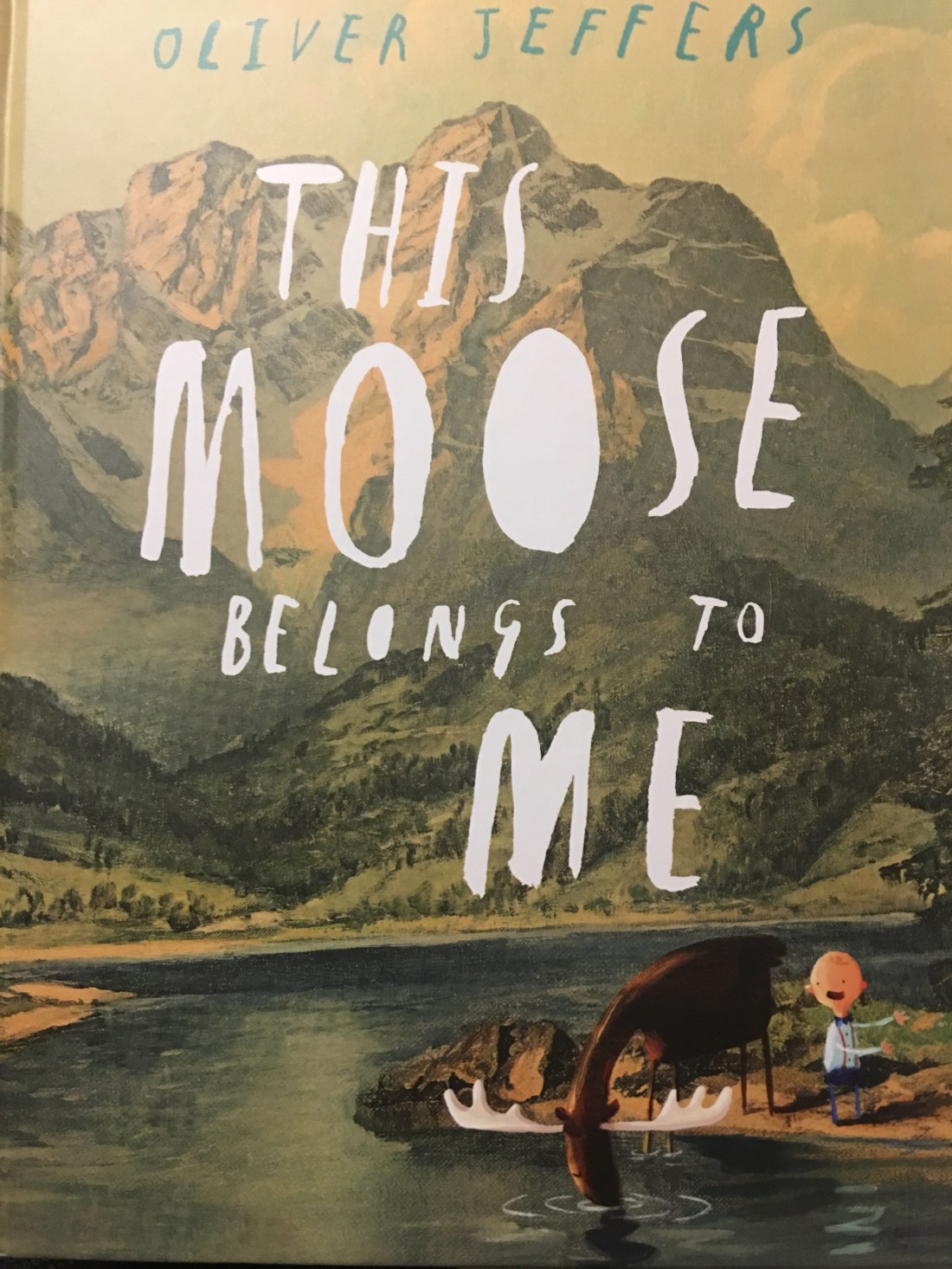
Wilfred is a small boy, who owns a very big moose.
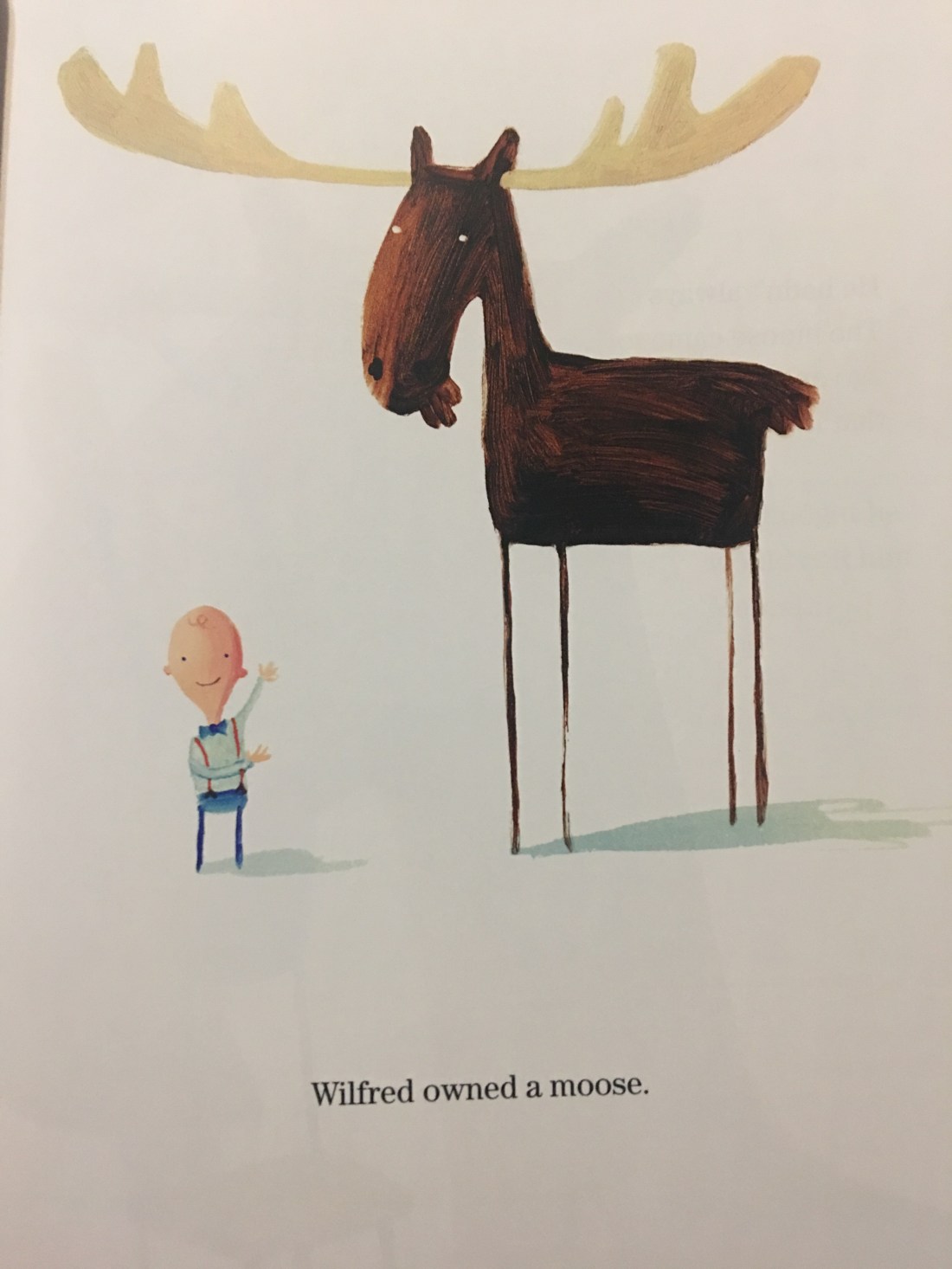
Or, does he?
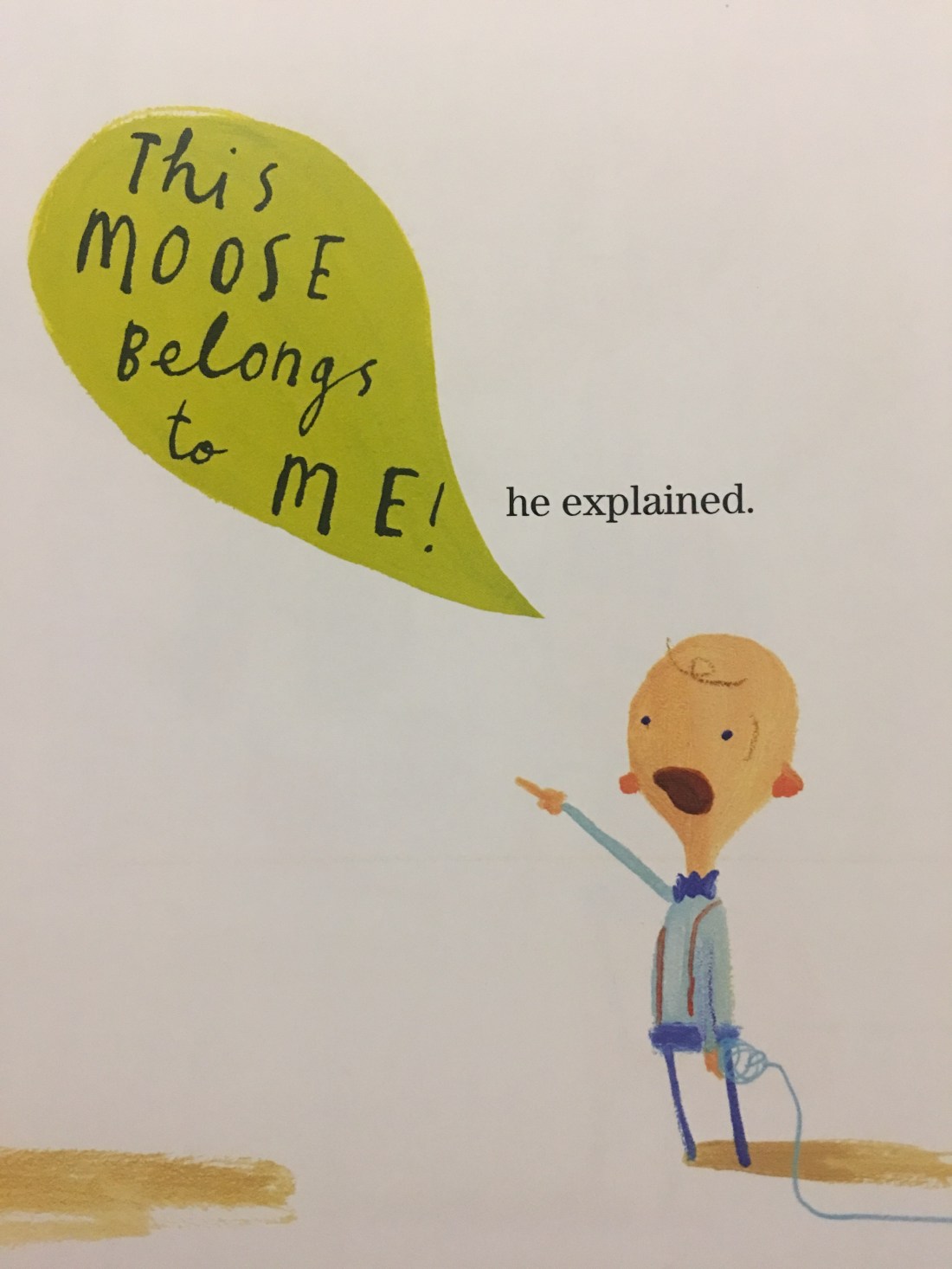
As the readers turn the pages, they discover that maybe Wilfred’s moose doesn’t belong to him as much as Wilfred thinks he does.

Wilfred names his moose. Wilfred has a list of rules he expects his moose to follow. Wilfred and his moose do all kinds of things together…until they come across someone else who seems to think Wilfred’s moose actually belongs to them!

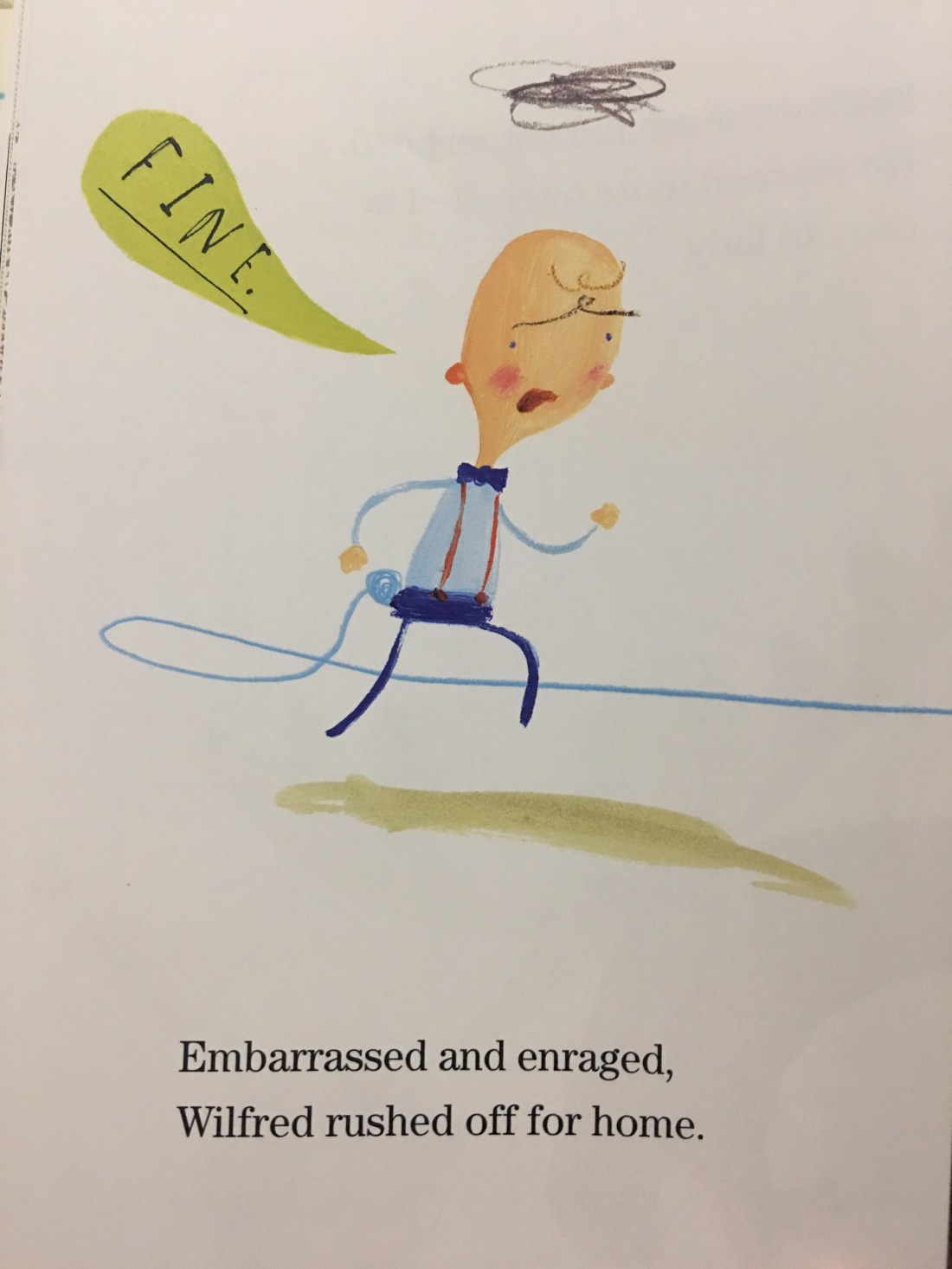
This doesn’t go over well with Wilfred. He gets angry and embarrassed by his apparent misunderstanding of who the moose belongs too and takes off on his own.
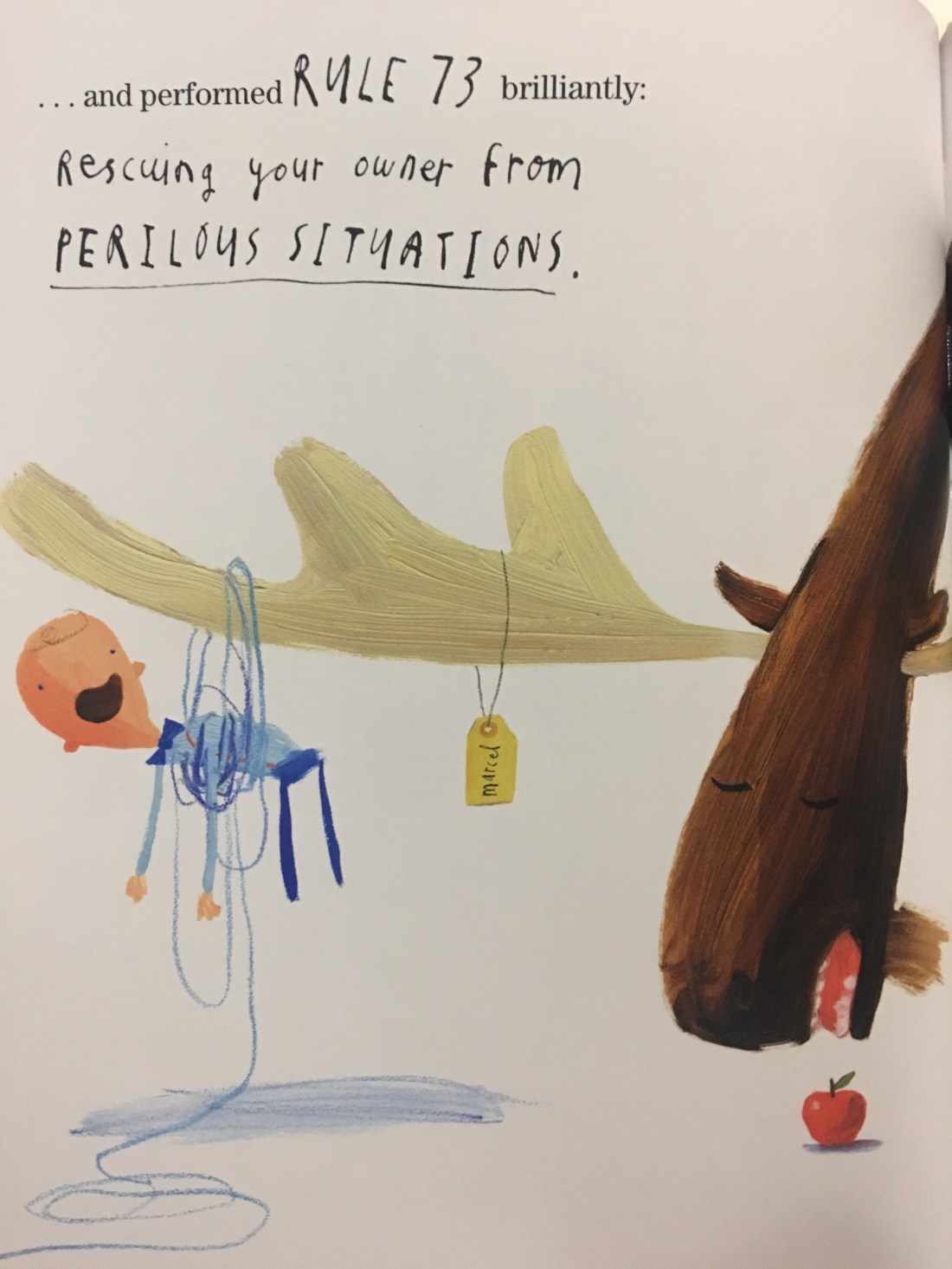
In the heat of the moment, Wilfred finds himself in quite a predicament. He is stuck with no one to help him.

Then much to his surprise, alongs comes HIS moose.

Thank goodness!

Once Wilfred was on his feet again, Wilfred and the moose came to an understanding about the terms of ownership.
If you’ve ever had a pet, or thought you had a pet, you may relate to Wilfred and his ordeal with his moose. This funny book would be fun to read to primary students to see and hear their reactions to the boy who owned a moose. The potential discussions that could happen as students are asked what they think it is like to have a moose as a pet would be both interesting an enlightening. I mean, who doesn’t have a moose – right?

I would use this book in the classroom to preface a discussion about rules and boundaries. This story offers an opportunity to talk about what is realistic and what is not. While the author provides exaggerated scenarios between Wilfred and the moose, the students can imagine what kind of animal they would want to call their own. Using their imagination, students can choose an animal and write their own rules for what they expect their animal to do. What will they do if their animal doesn’t follow the rules? Students can be asked to think about where the animal will live and what it will eat. Will they name their animal? How will they pick a name? What would you name a moose, if it belonged to you? Did Wilfred do the right thing when he found out someone else claimed the moose belonged to them? What should he have done? What would you do?

Ideas for Classroom Incorporation of This Moose Belongs to Me:

  • ELA: creative writing, brainstorming, descriptive language
  • Social/Emotional: rules and personal boundaries, recognizing emotions, appropriate coping strategies
  • SCIENCE: animal identification and characteristics, habitat
  • RESEARCH: What do animals need to eat? Where do they live? Do they make good pets?

Monster, by Walter Dean Myers

A murder trial, a sixteen year old, and a label from the prosecuting attorney that seems inescapable. She called him a Monster. Her job is to convince a jury that he is responsible for the actions that occurred leaving a drug store owner dead. Did he pull the trigger? No. But he is accused of participating in criminal activity that resulted in the death of a man. That makes him the worst of the worst, right? That is what makes him a Monster.

This book by Walter Dean Myers introduces the reader to Steven Harmon, a sixteen year old high school student on trial for murder. Steven is the one telling the story and the memories that replay in his mind as the trial unfolds. As an aspiring film-maker, Steven uses the dire circumstances he is in to write his perspective as the defendant in the murder trial. Although he is still a high school student, his personal associations and poor choices led him to an adult arena facing legal consequences that he never imagined possible.

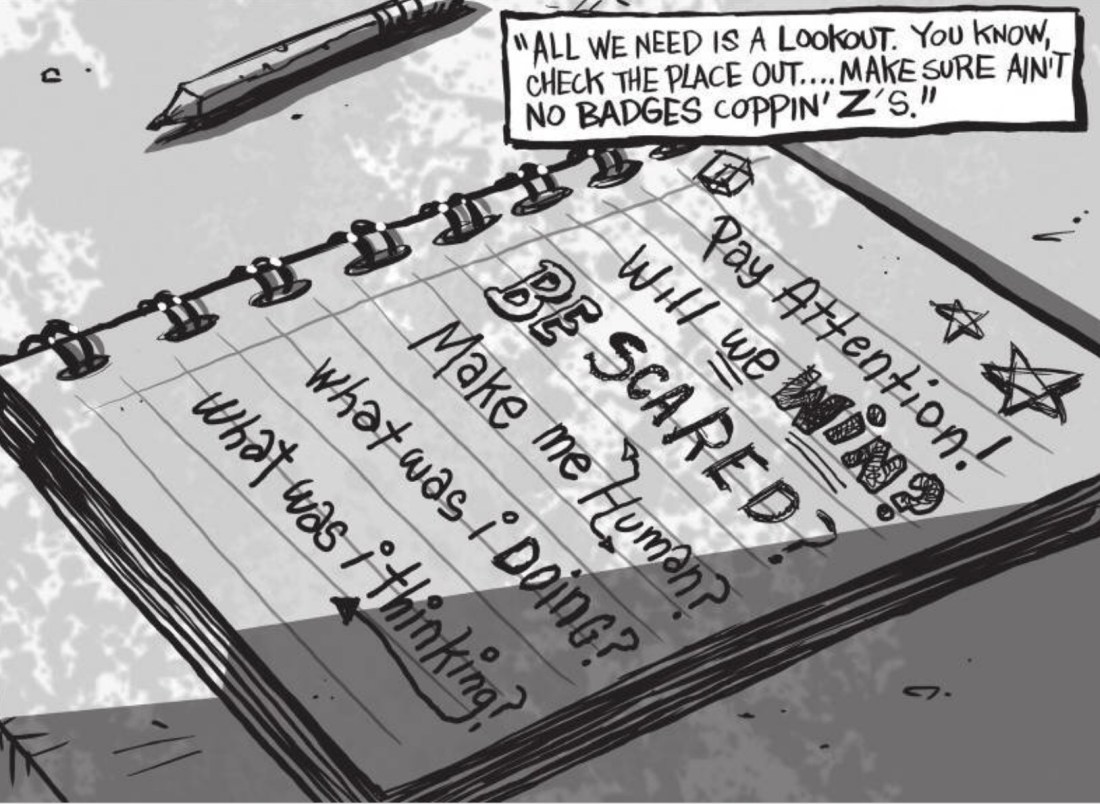
Throughout this book, Steven Harmon records the events he is living out in a notebook that is the first draft of sorts of what might be a film version of the events that led him to and through the murder trial. His inner monologue explores what he perceives the people around him are thinking as he records their actions and reactions to him and his current situation. From his defense attorney to the witnesses in his case, from the co-defendant to the judge and jury members – Steven records what each character is saying and how they react as though he is directing a film about someone else’s life. But it is not someone else’s life.

It is his own life.

It is his own trial.

It is him who is being called a Monster by the prosecuting attorney, and it is him who must rely on the judgement of the jury members to determine whether or not they believe he is guilty of murder or set him free.

Whatever the outcome, his life will never be the same.

What’s done cannot be undone.

What happens now? Where will he go from here?

At sixteen years old he is not even old enough to be a visitor to the prison where he now waits on trial. The irony of the seriousness of his situation is unbelievable to him at times, and yet it is happening and must play out in a court of law.

This thought provoking book cuts straight to the point of a very serious and life-changing event that changes not one, but several lives in the blink of an eye. This book would be best suited upper middle school or high school students who are close to the same age as the main character. While this story is not based on a specific true story, the author did research by visiting with prisoners and asking them to tell him their story. No one plans to be in jail at sixteen years of age. No one plans to be on trial for murder at sixteen, either. But in our current society, these types of situations and circumstances do happen all too often. Young people act without thinking, and live with a belief that nothing bad will ever happen to them. This story is written in a way that can open the discussion about making good choices, and being responsible for the consequences of personal actions.

While I believe there are many possible uses for this book in the classroom setting, I believe that I would choose to use this book to teach point of view, vocabulary, making predictions, and symbolism. I believe the reader will be hooked on the storyline and will be kept interested in the story by the characters who each play a role in how Steven views what is happening to him throughout the trial. Readers will want to continue reading to find out for themselves whether or not the jury returns a guilty verdict. Will he face the next 25 years or more as an inmate? Or will the jury find him not guilty so he can return to his life as a want to be film maker? Is it possible for him to return to his life the way it as before the drugstore owner was murdered? What happens next? The author provides just enough information to answer the big questions, but leaves lots of space to think about how things have the potential to wind up so much differently.

Ideas for Classroom Incorporation of Monster:

  • ELA: making predictions, finding text references, vocabulary, character perspective, point of view, symbolism
  • Social/Emotional: making good choices, associations, consequences, labels
  • HISTORY: judiciary process, legal responsibility, due process

The Drum Dream Girl, by Margarita Engle and illustrated by Rafael Lopez

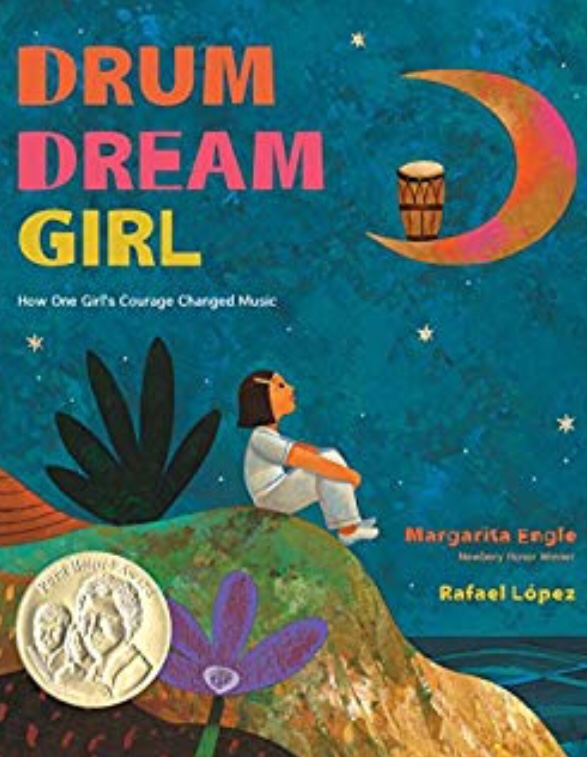
What does it mean to be brave? How do you define courage? What would you do if you were told you could not use your talent because you are a girl? (Or a boy?) In this beautifully illustrated picture book, author Margarita Engle shares the story of the Drum Dream Girl who is brave enough to follow her dreams of playing the drums.

The Drum Dream Girl lives on the Island of Music, in the City of Drumbeats where she is surrounded by the tapping and rapping of drums in every form imaginable, but because she is a girl she is told that she should not follow her dreams to play drums. Her sisters encouraged her to come dance with them, but she longed to drum instead. Her father instructed her to stop dreaming of drumming, but she longed to pound congo and bongo drums. Finally, her father promised to find a teacher that would guide his daughter’s rapping and tapping to become the very thing she had been forbidden to be – a drum girl.

The vivid colors illustrated in this book perfectly complement the author’s word choices to eloquently describe the Island of Music and City of Drumbeats. The descriptive words provide enchanting imagery for readers to see the girl and all the drumming that surrounds her in this magical place.

This book would be a wonderful addition to the elementary classroom. Teachers could utilize the descriptive language, musical vocabulary, and figurative language. This book would be a wonderful pair to an exercise in beating on trash cans to create the pounding sounds that the Drum Dream Girl was able to turn into music. Students could brainstorm other materials that could be used for drumming as they learn about the different types of percussive instruments that are used by musicians. Teachers could use this story to discuss social emotional learning topics such as courage and bravery, and introduce or discuss what it means to be discriminated against. Students could be problem solvers and think about ways to encourage all people to follow their dreams, to be courageous, and to be brave.

Ideas for Classroom Incorporation of The Drum Dream Girl:

  • ELA: figurative language (onomatopoeia), descriptive language, parts of speech, vocabulary enrichment
  • SOCIAL and EMOTIONAL LEARNING: character traits – courage, bravery, persistence, determination, inclusion
  • MUSIC: percussion, instruments, types of sound

Please Ignore Vera Dietz, by A. S. King

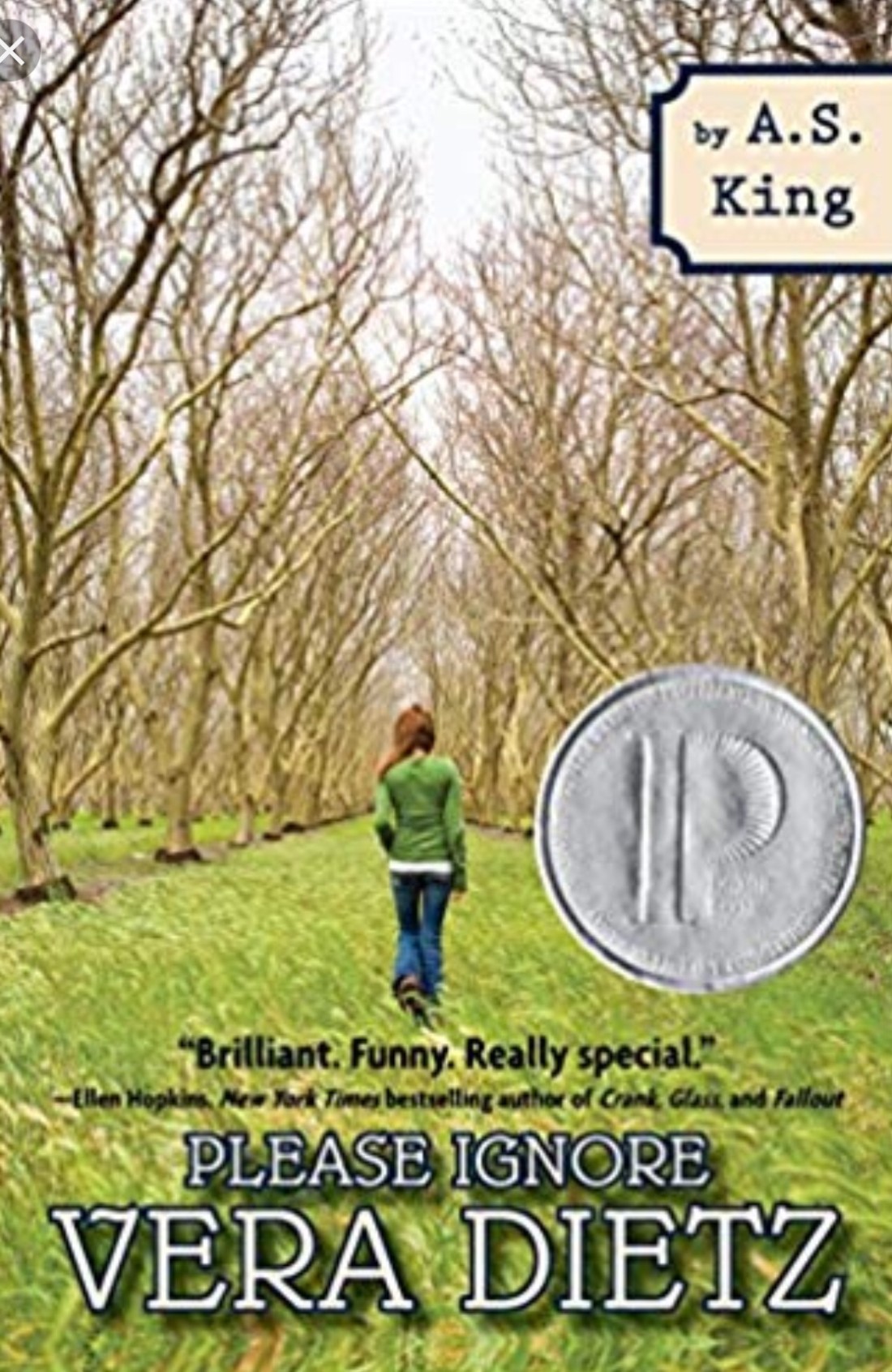
Very rarely does a book have such a powerful opening page that I am compelled to comment out loud as I’m reading. This book did, and I struggled to put it down.

This young adult novel allows readers to get to know Vera Dietz in the aftermath of a terribly tragic loss in her life. As Vera works through the days and months that follow burying her childhood best friend and neighbor, she must deal with inner conflicts that have gone unmended between her and her father, her and her mother, and most importantly between her and herself because her conflict with her friend Charlie is now amplified by his death. Dealing with death and loss is never easy, and dealing with death and loss that is surrounded in lies tangled up in guilt and shame and anger is even more difficult.

The author wrote this book mainly from Vera’s perspective, with brief inserts to allow the reader to hear from the other characters – including the dead kid. This opens the reader’s mind to the different sides of each conflict between the characters. The story is often raw and painfully direct, written in a way that makes the characters seem very real. I know that I kept reading because the more I read, the more questions I had about what happened to Vera? What happened to Charlie? What really happened at the neighbors house? Was there something more sinister between the characters? Sometimes my questions were answered, sometimes I was given just enough information to create new questions and still leave me wondering.

Vera was wondering, too. Her questions and inner conflicts finally grew to become so heavy that she could no longer ignore them. Although it was not easy, she found a way to come to terms with some of the turmoil in her life and a way to make peace enough to move forward.

I can see this book being well suited for the upper middle school and high school classroom. I believe that the students may relate to the characters while being intrigued by the suspense of trying to piece together what happened to Vera’s friend Charlie the night he died. I believe it would be interesting to read this book in small groups with students to hear their take on the conflicts that Vera is struggling with, and how they interpret each character and situation. Students could discuss or even just be prompted to think about What should Vera do? What would I do? This book is a longer read, and may be best suited for readers with more experience and stamina to read independently. If a teacher is interested in motivating students to read for themselves, this book would make a great first chapter read aloud to capture their attention.

Ideas for Classroom Incorporation of Please Ignore Vera Dietz

  • ELA: point of view, types of conflict, vocabulary, character traits, plot

  • Social/Emotional: relationships, social justice, personal responsibility, self-control, secrets vs. confidential, making mistakes, restoration

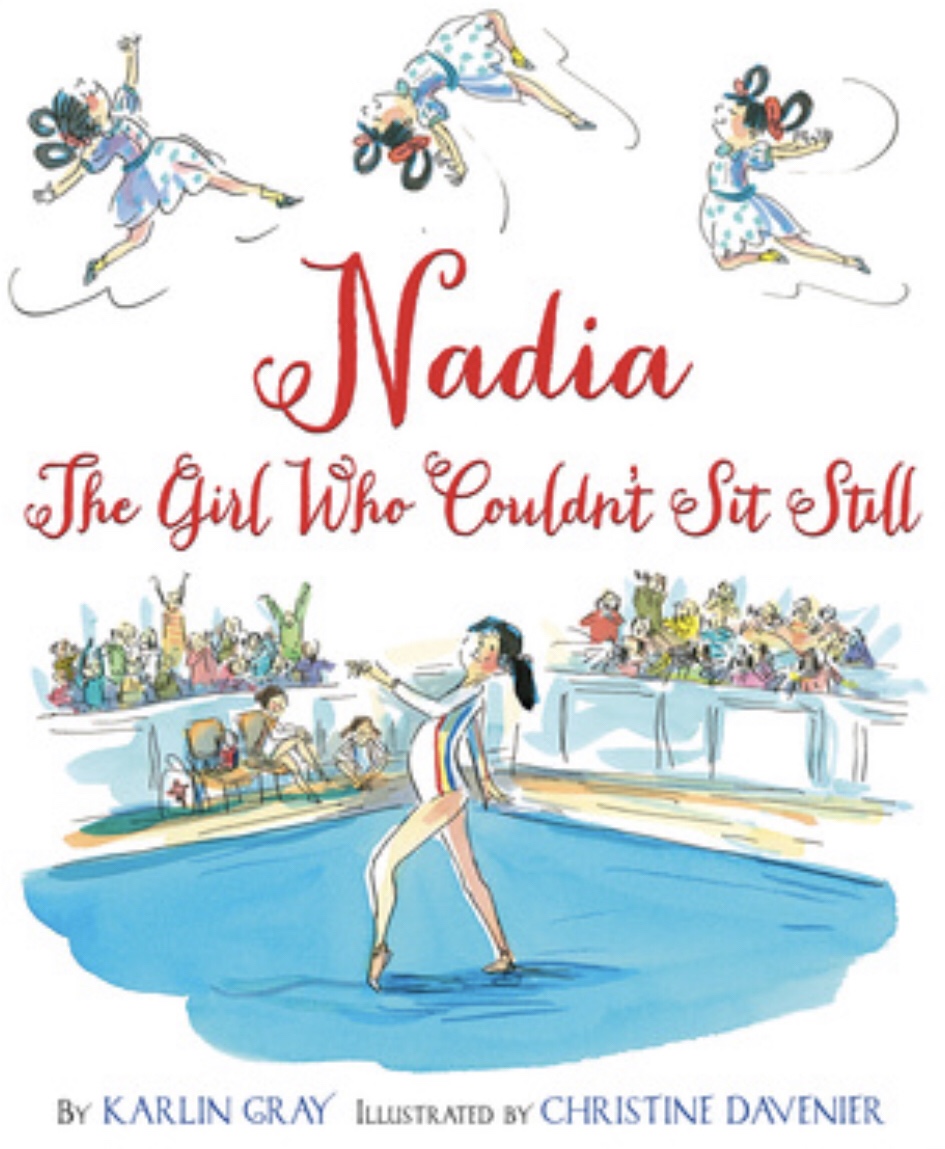
Nadia: The Girl Who Couldn’t Sit Still, by Karlin Gray and Illustrated by Christine Davenier

If you are a teacher, it is very likely you have a student in your class who like Nadia, struggles to sit still. I know that I do! This delightful picture book tells the story of Nadia Comaneci, a gymnast from Romania – the first gymnast to score a perfect 10, the little girl who found a way to use her energy in a positive way.

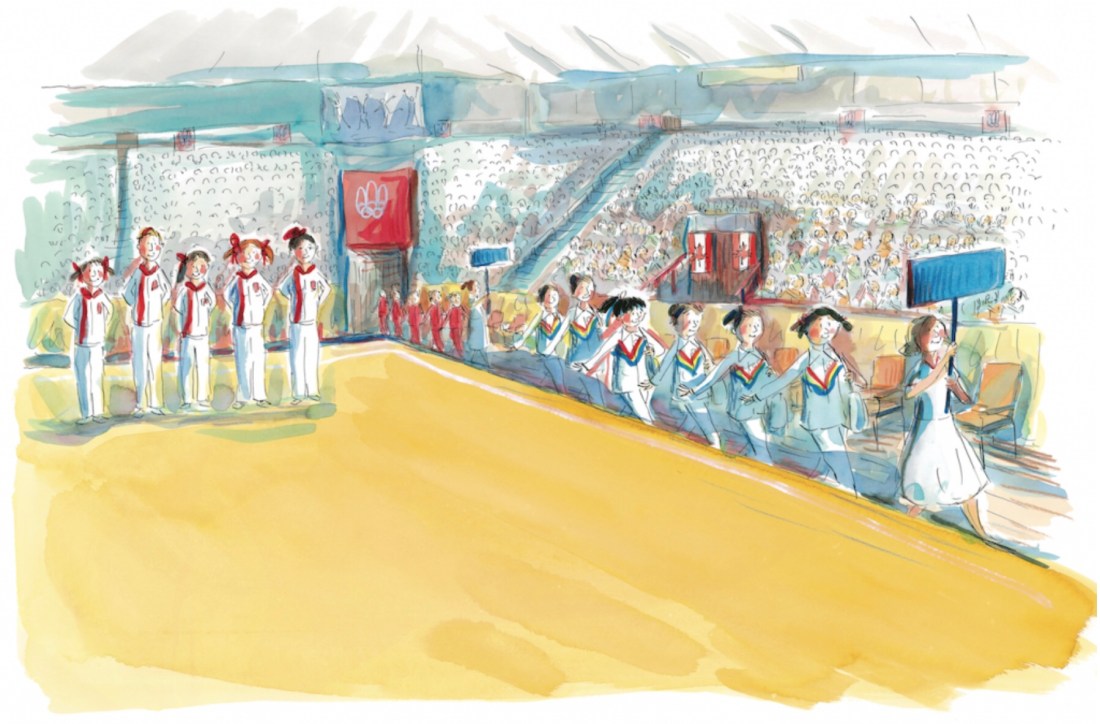
Showing my age, I can say I honestly remember watching the Olympics with my family gathered around the television set specifically to see Nadia Comaneci perform. And perform she did!! She was an amazing athlete, at such young age!!

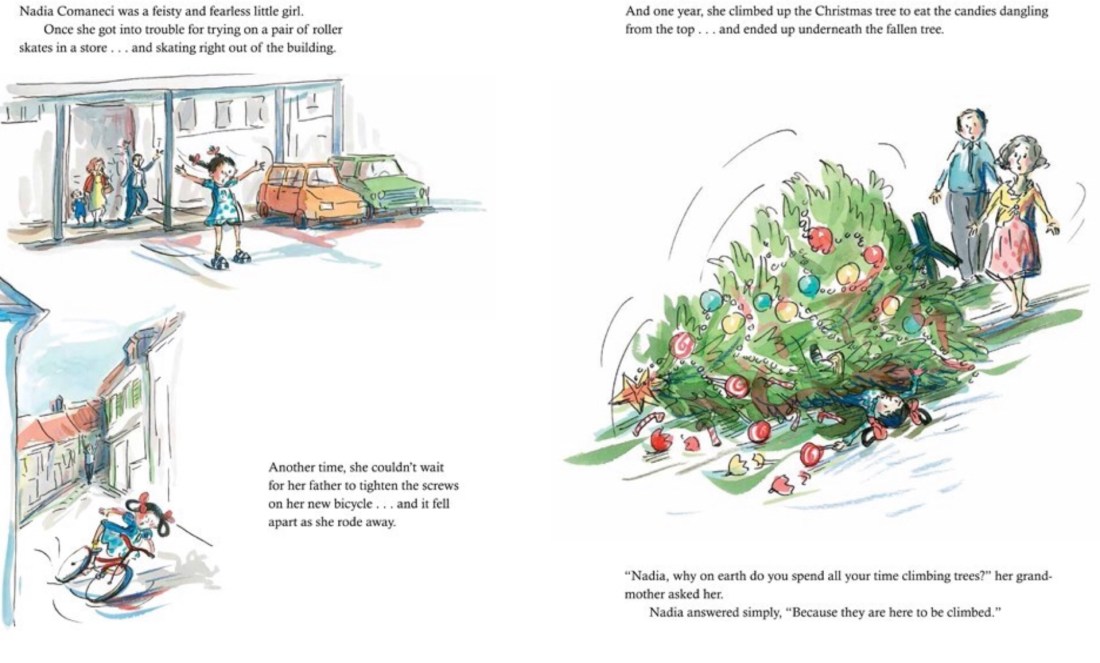
Author Karlin Gray and illustrator Christine Davenier retell Nadia’s story as a little girl fiercely determined to get up every time she fell. She practiced her gymnastic events until she perfected each skill. Nadia is introduced as a little girl who was impatient, impulsive, and constantly moving. Her mother enrolled her active daughter in gymnastics and the rest we can say, is history.

Students today many not know who Nadia Comaneci is, but they will most likely be able to relate to the little girl who couldn’t sit still. The fun illustrations and short passages make this a quick and easy read-aloud for an elementary classroom or small group. The opportunities to use this book as a part of a lesson are many! Teachers can use this book to talk about perseverance, self-control, determination, cause and effect, athletes, female athletes, historical events, annual events, geography, and many more I have not listed.

An interesting lesson that this book made me think of (also related to gymnastics) was when I was teaching 4th graders about the word vault. To my surprise, none of my 4th grade students knew what a vault was but they were doing an activity that expected them to recognize a bank vault and a gymnastics vault. Quickly I googled images to show my students the different kinds of vaults and came across videos of Simone Biles vaulting in competition. The students were entranced! (I thought is was pretty cool, too!)

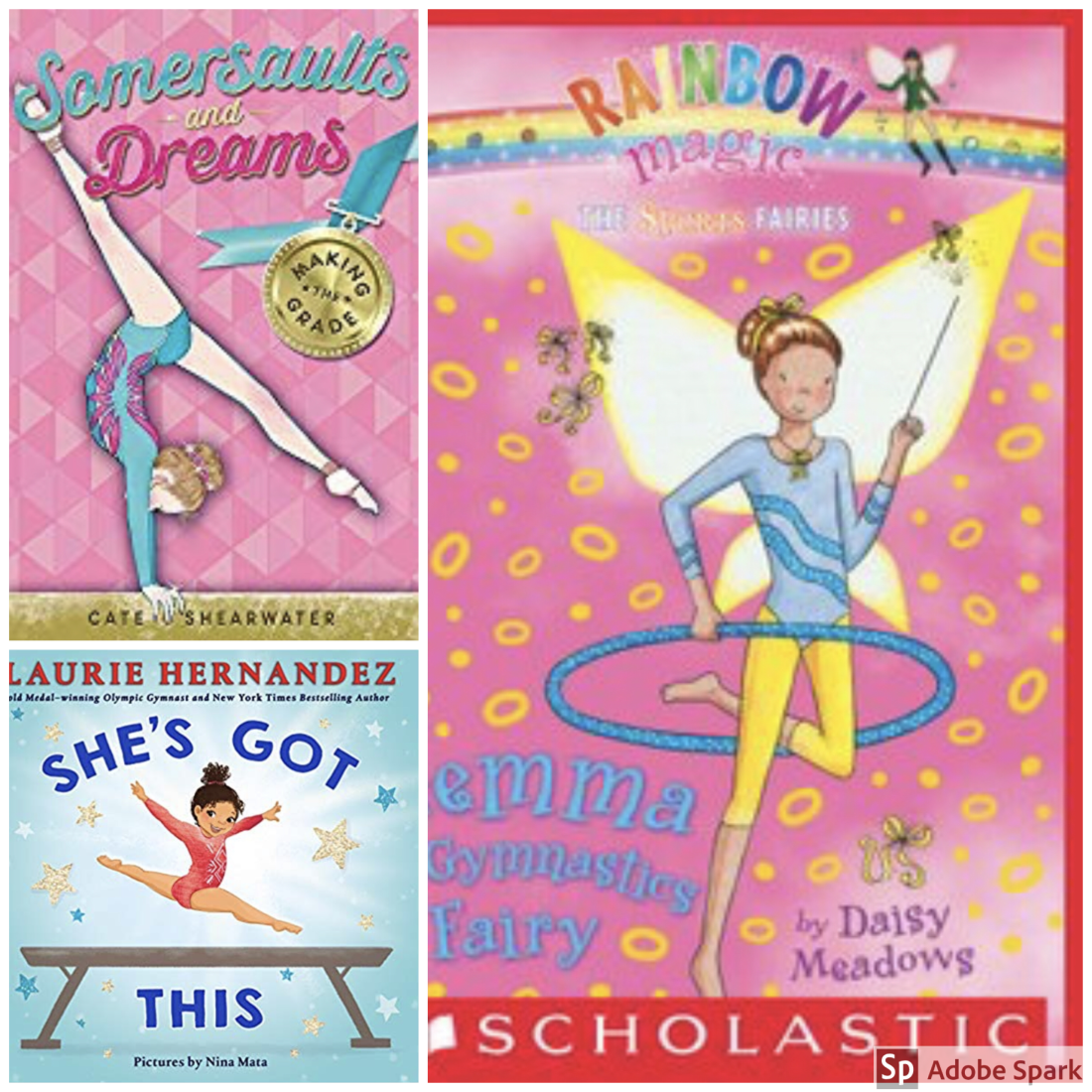
This book could also be an ice breaker to interest students in other books related to gymnasts or gymnastics. A quick search of gymnasts pulled up both fiction and non-fiction selections that would be suitable for the classroom. Students who are interested in reading more, or for the teacher wanting to add additional reading suggestions could use this as a chance to practice looking for a desired text or topic at the library. This would be a great way to develop research skills!

If you’re still looking for a hook, I highly recommend the videos of Nadia and Simone competing…they are AMAZING!!

Ideas for Classroom Incorporation of Nadia: The Girl Who Couldn’t Sit Still

  • ELA: biography, cause and effect, read aloud, picture book, theme, research
  • Social/Emotional: Growth mindset, perseverance, determination, self-control
  • HISTORY: geography, world history, Olympics, research

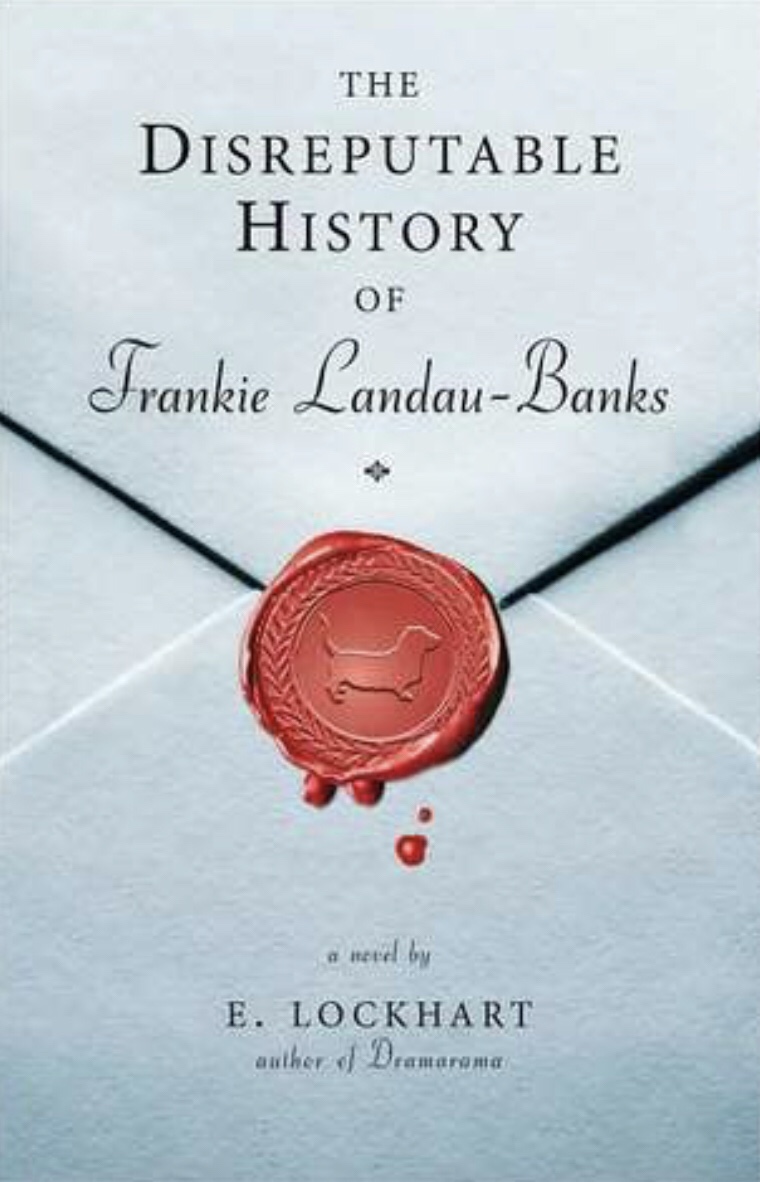
The Disreputable History of Frankie Landau-Banks, by E. Lockhart

A private school. A secret society. A brilliant girl who will never be a legacy, manages to become legendary!

Why do parents select the schools they choose for their students? Is it by default due to location? It is because the price is right? The programs offered? Or is it because of a much deeper history that is both personal and reminiscent of days gone by? Francis Landau-Banks, otherwise known as Frankie, is the daughter of an alum and the younger sister of a former student who begins her sophomore year at Alabaster with no identify of her own. Although her family still sees her as the little Bunny, Frankie ends her sophomore year with her own notoriety that will never, ever, ever be forgotten.

When I was trying to decide which book to read and review this week, I decided to pick this book simply out of curiosity. This may not have been a book I would typically read for myself, but I can see using it in the middle school classroom. This age group has the greatest potential to connect with the characters even though they are slightly younger. The story itself leans towards lessons for inferencing, social dilemmas, social justice, and playing with words. Middle schoolers are exercising their independence, much like Frankie, and may cleverly be amused by her decisions to augment words to fit her own purposes. The vocabulary enriching activities would be strongly suited for both high achieving and students who need reinforcement of language skills. Students who read this book could be encouraged to identify an area of social injustice, and develop a proactive plan to correct the injustice – or – argue why a perceived injustice is not really an injustice at all.

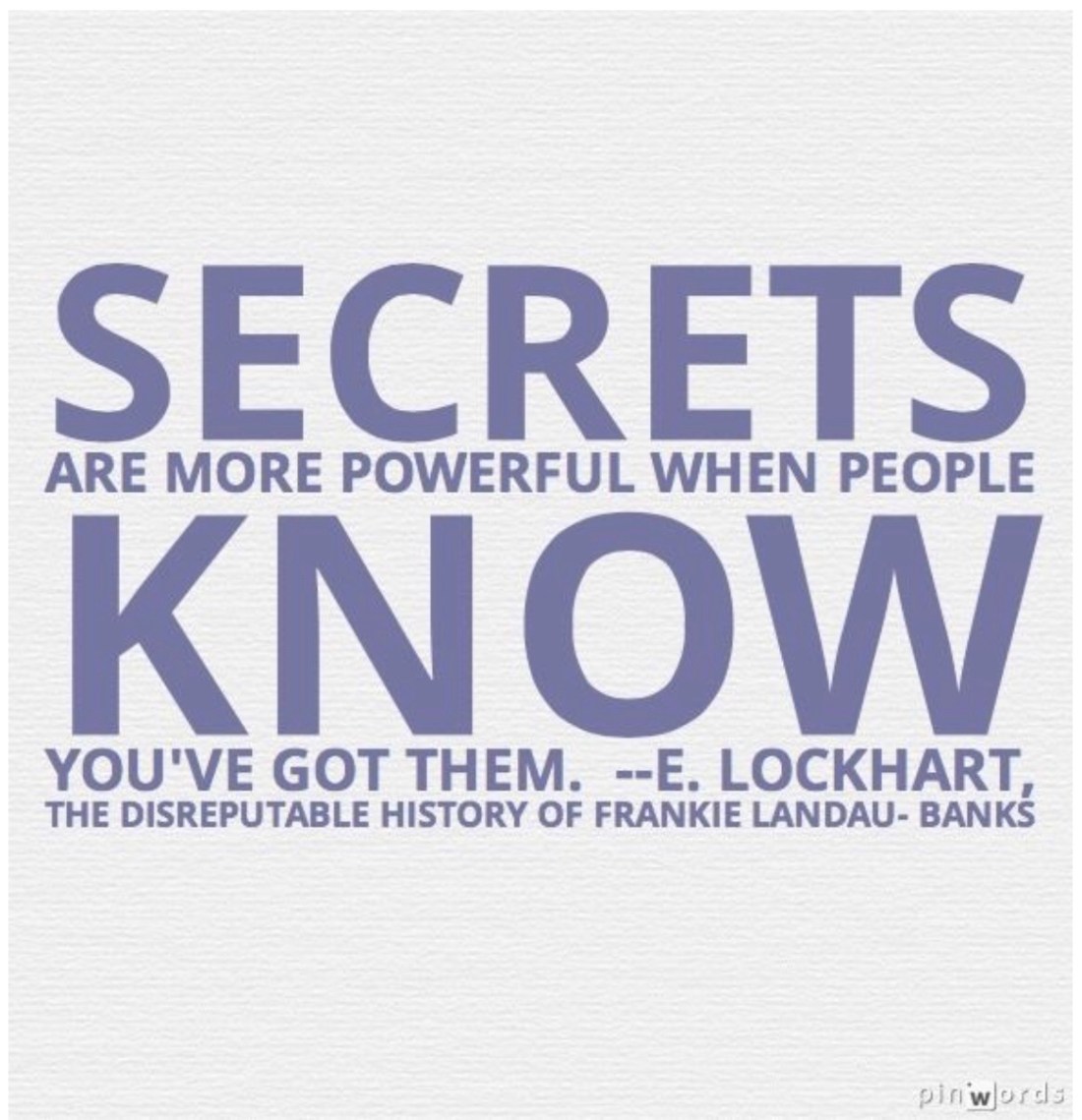
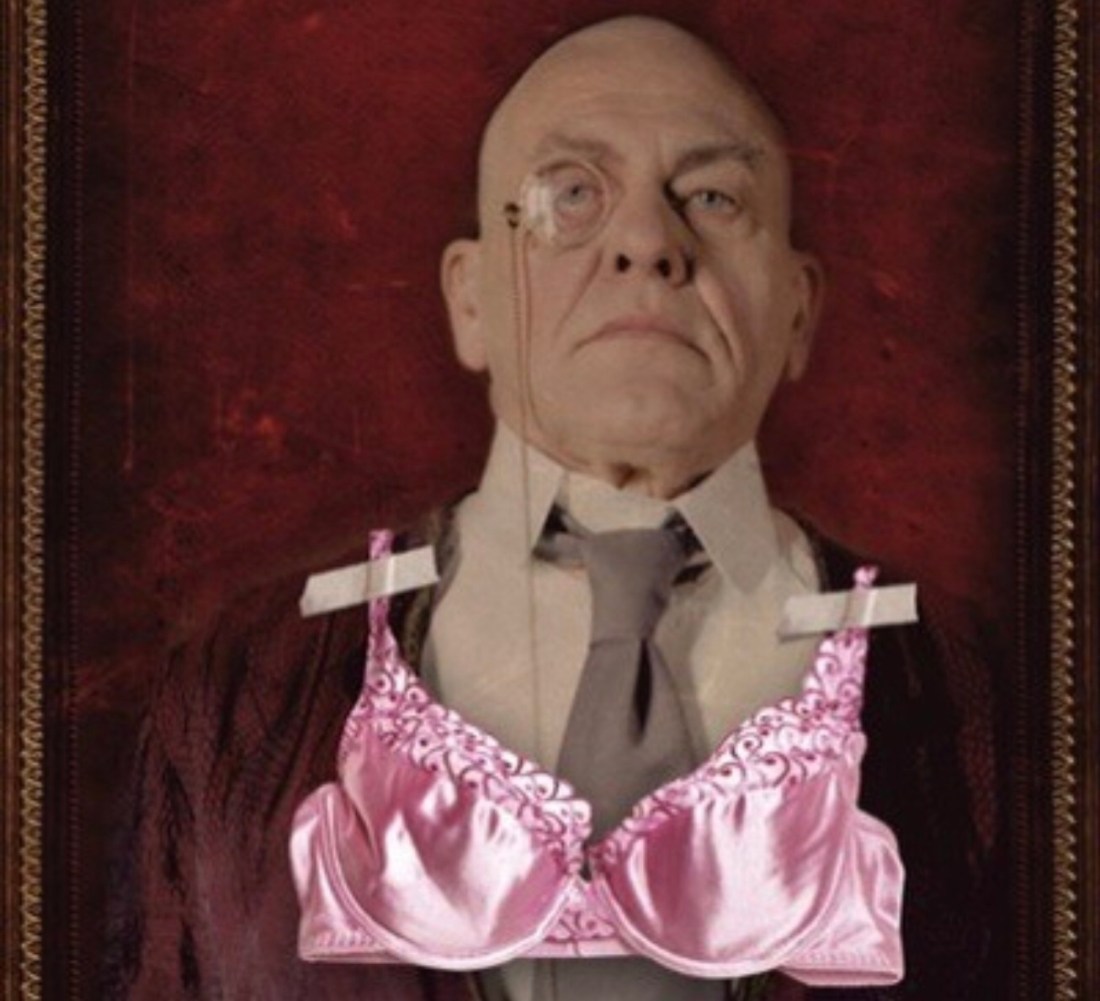
Although it took a little longer to get to the meat of this story, it is the building suspense that makes this story ideal for use in the classroom. Unless the book is read, there is no way to understand the frustration Frankie feels or why she is so determined to be recognized by members of the exclusive boys club that she knows more about than the members themselves. She finally takes matters into her own hands with increasingly daring stunts that bring on huge consequences she never imagined. What exactly did Frankie do? Read for yourself, The Disreputable History of Frankie Landau-Banks.

Ideas for Classroom Incorporation of The Disreputable History of Frankie Landau-Banks:ELA: inferencing, vocabulary, character study, theme

  • WRITING: opinion, defend your position, preparing a debate

  • Social/Character ED: social justice, behavior/consequences, right and wrong, exclusion vs. inclusion, equal rights, are some rules made to be broken? Is it ever okay to break the rules to make a point?

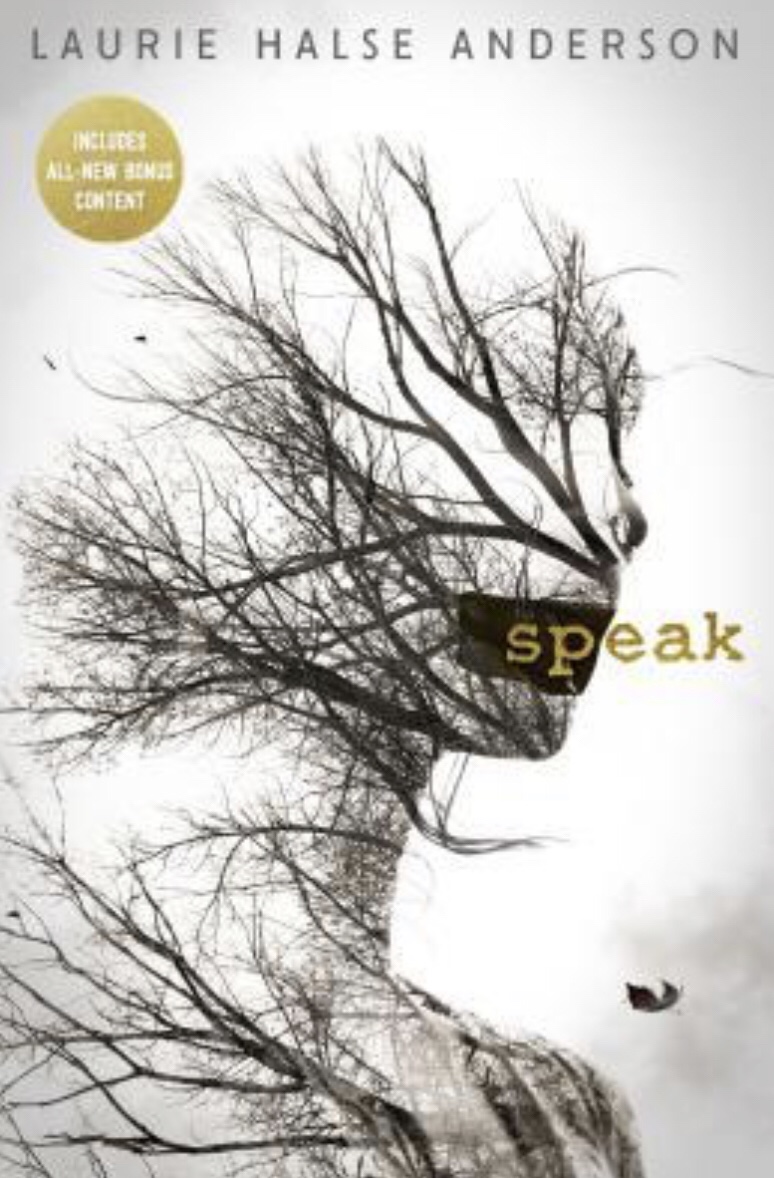
Speak, by Laurie Halse Anderson

This young adult novel addresses the impact of sexual trauma and how one freshman student tries to navigate life after rape. This very real topic that has become a part of too many lives is brought to the forefront of the conversation as the main character Melinda Sordino struggles to find her place in her high school community after the event that changed everything.

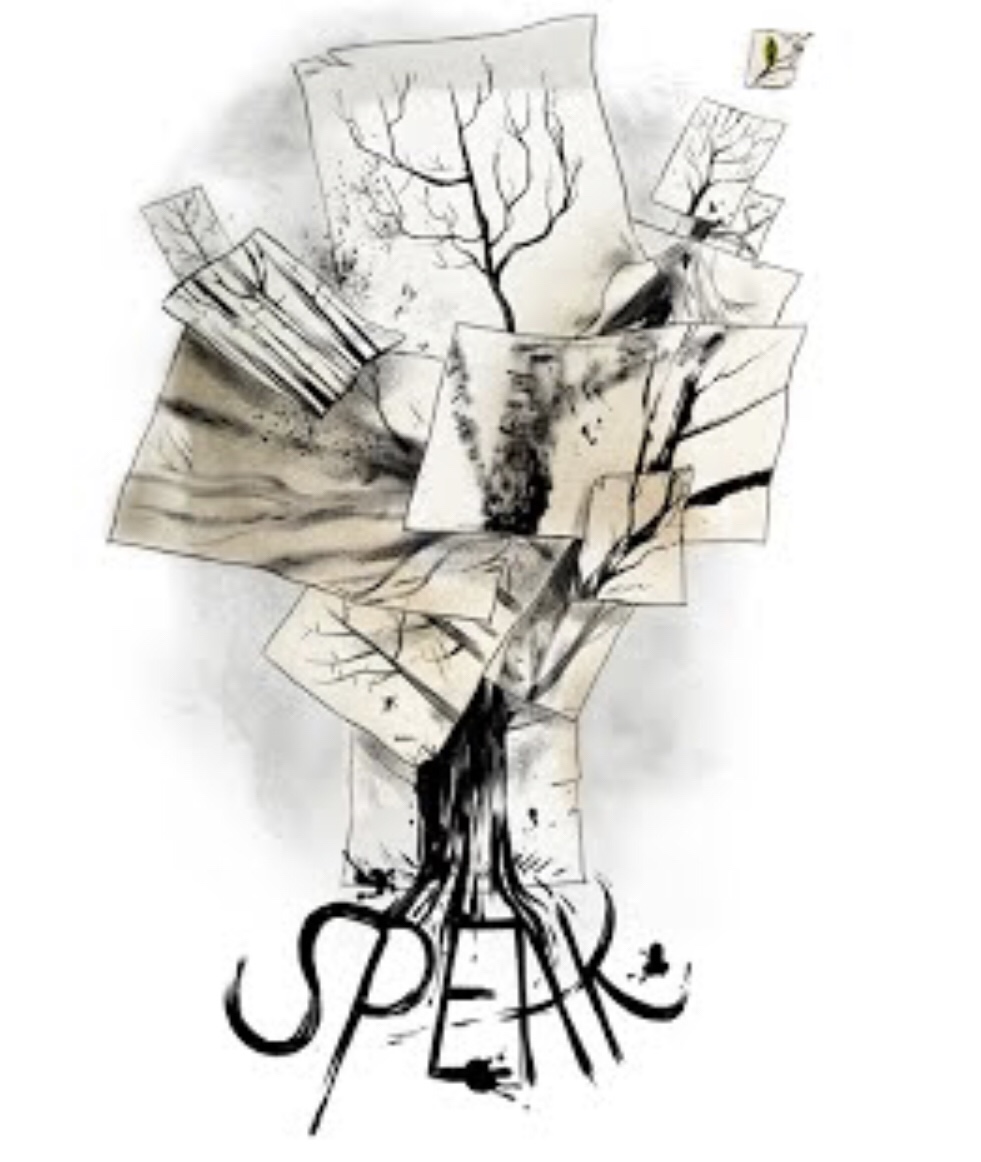
This book was a new read for me and the topic and cover art intrigued me. Author Laurie Halse Anderson tackles the painful topic of sexual assault in this young adult novel. While this topic makes people uncomfortable – and silent, Anderson brings this conversation forward using the voice of the main character Melinda. As a female adult, I have experienced high school and all the typically teenage challenges that range from school culture, student groups or clans as named in Speak, and the emotional roller coaster of finding my own feet. Now imagine compounding all of those challenges with the addition of a life altering trauma. Narrated by Melinda, readers hear what this freshman is thinking as she moves forward returning to school with a new reputation and tainted perspective.

Melinda tries to become invisible in her high school and finds an outlet in the year long assigned art project to transform a tree into an object that makes a statement. Just as Melinda’s friend Ivy describes Melinda’s art as scary, the kind of scary you don’t want to look at for too long, Speak opens up a delicate topic by looking at the person behind the trauma. Melinda is more than a victim, and one event should not and does not define who she is.

There is power in the ability to speak your own truth. This book tackles a topic that too often is not spoken about. While describing the topic as sensitive, controversial, and delicate we still avoid calling it by name. Laurie Halse Anderson puts into words what so many cannot, or have struggled to verbalize.

As a teacher, I appreciate the value of this book and the story that unfolds from it’s pages. I can also admit that it would make me very uncomfortable using it in the classroom. Defensively I will say that I believe my students are too young, or that the topic is too mature. Honestly I know that students endure trauma of all sorts and it the very things that make common society uncomfortable need to be addressed in a way that allows our children to heal and move forward.

After reading Speak, I would suggest this selection for 8th grade classes and above. The content invites students and teachers to make connections to the text to extend personal and academic growth. This age group is preparing to enter the highly social realm of high school and all that that entails. They are aware of mature and sensitive topics, and they are still bold enough to speak up and speak their minds.

Ideas for Classroom Incorporation of Speak:

  • ELA – symbolism, point-of-view, inferencing, expository writing, vocabulary, summarizing, visualization
  • Social/Emotional – personal trauma, social interaction, school culture, behavior, reporting procedures, community resources

Extra Yarn, By Mac Barnett

I have to confess, I selected this book because of my own love of yarn. As someone who learned to crochet as an adult, I gladly admit I can never have enough yarn!

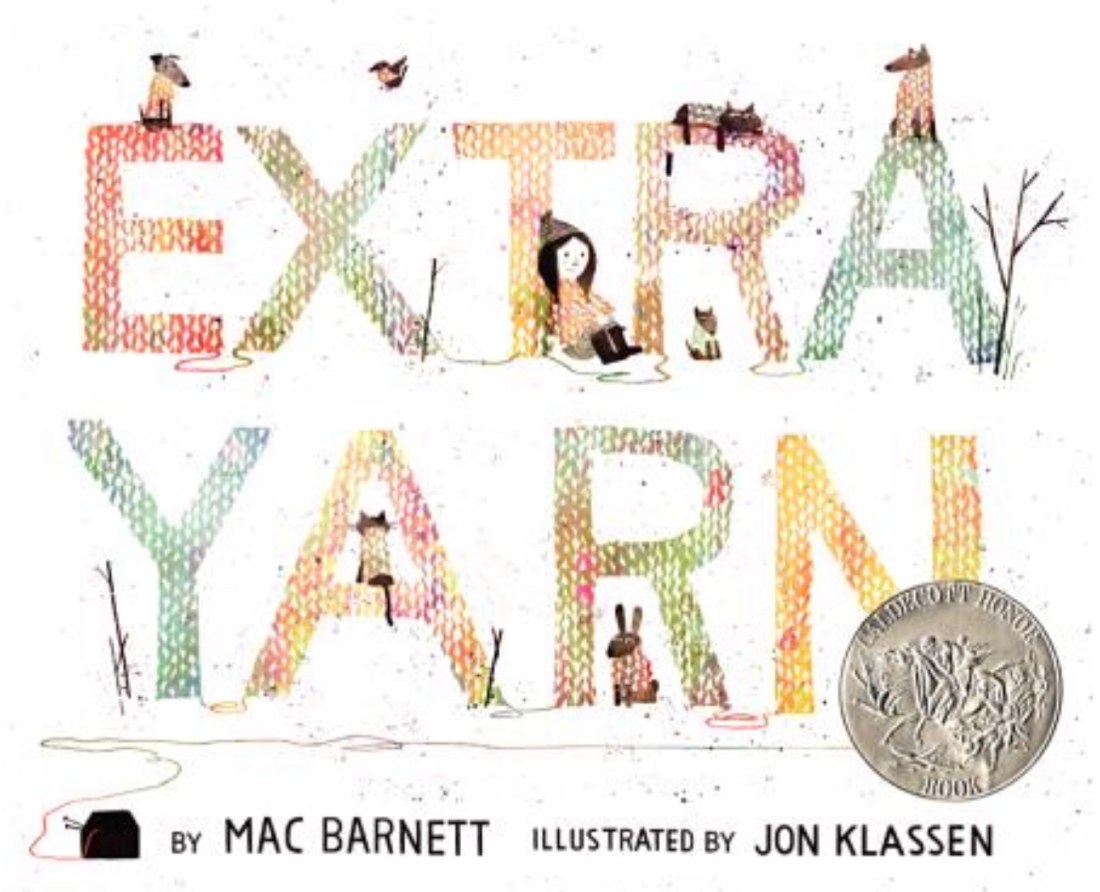
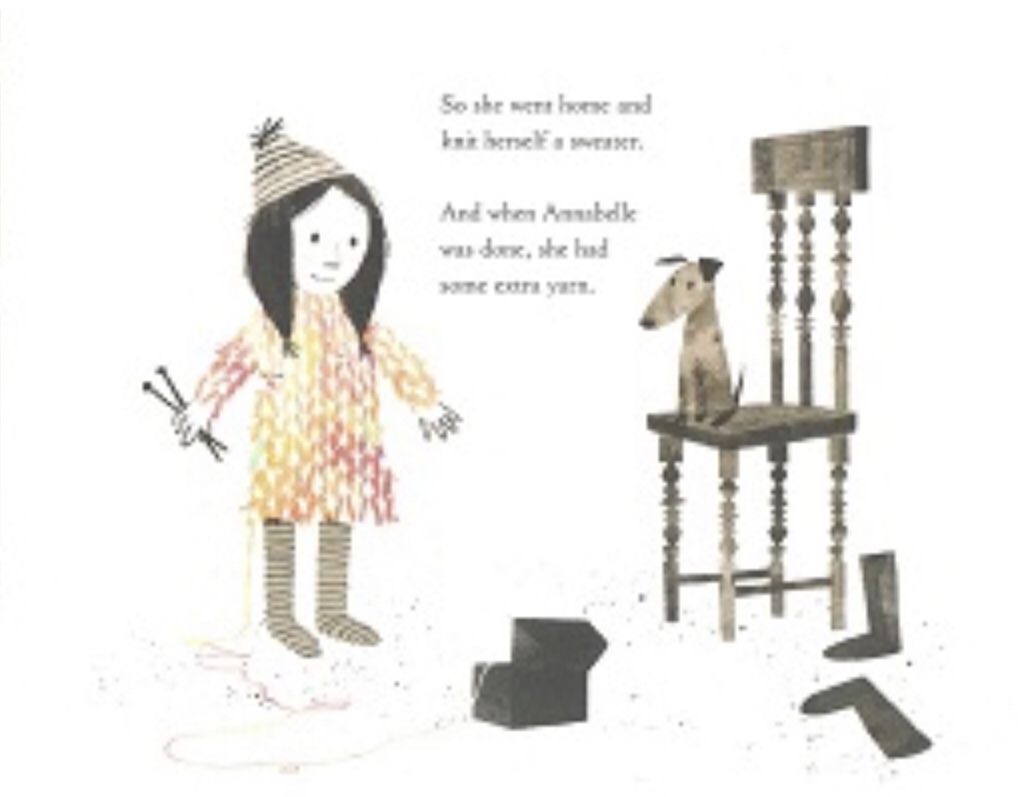
This picture book features young Annabelle, who finds a box of yarn that just keeps giving. Annabelle begins by using the yarn from the box to create sweaters for herself and her dog and quickly finds that the yarn supply does not diminish as she shares with her family and friends.

The pictures are simple, yet effective as the author weaves in a heartfelt theme of giving. This is a story I would chose to use in my classroom for students to learn theme. As Annabelle continues to give without asking for anything in return, her box of yarn continues to stay full. That is a powerful message for students to learn about what it means to share freely without an expectation of getting something in return.
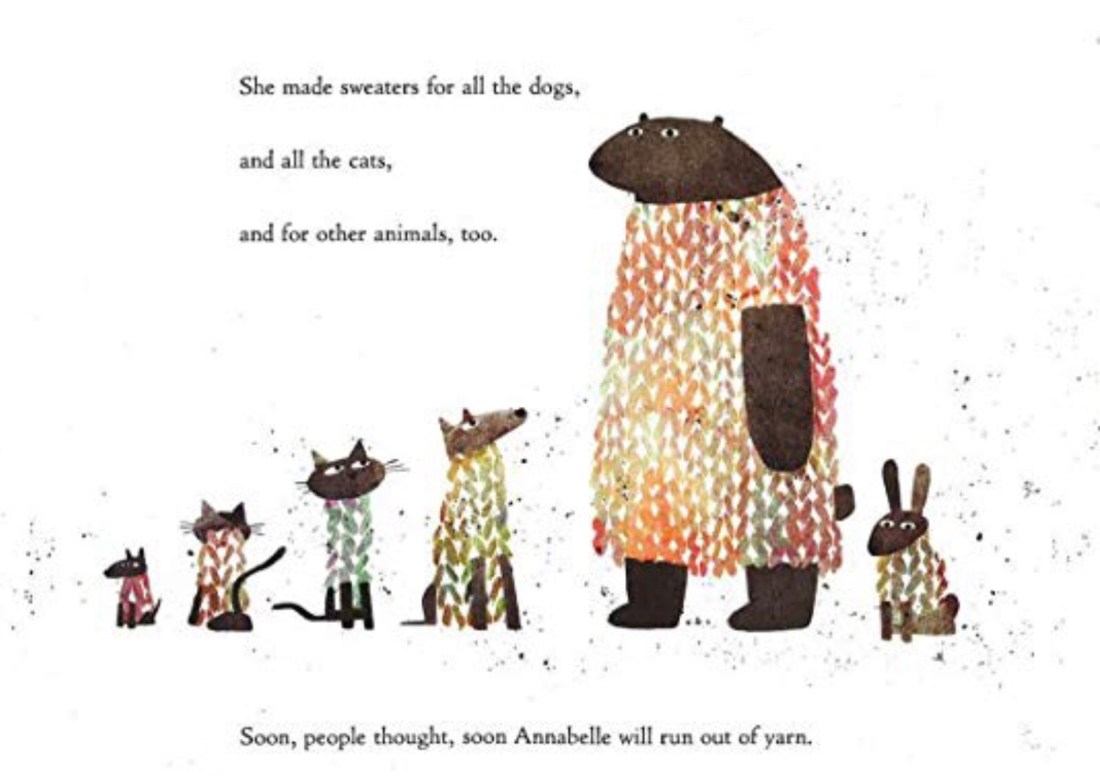
Of course, along the way she did discover that not everyone shared her giving heart. That is a reality that students already know – sometimes people have ulterior motives that are not nice. How did Annabelle handle it when someone wanted her box of yarn? She handled it gracefully and discovered that in the end, everything worked out pretty well.

Ideas for Classroom Incorporation of Extra Yarn:

  • ELA – theme, figurative language
  • Social/Emotional – self-control, kindness, stealing, generosity
  • Math – measurement, infinity (vocabulary)