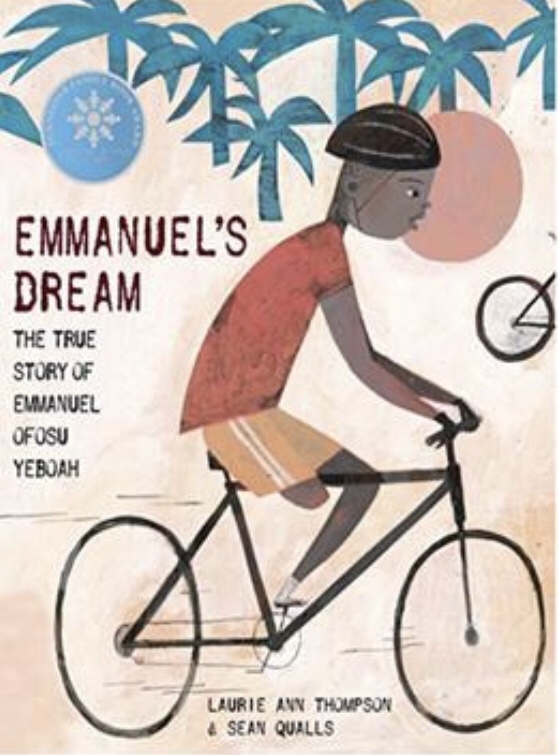
Emmanuel’s Dream: The True Story of Emmanuel Ofosu Yeboah, by Laurie Ann Thompson and Sean Qualls

“Be respectful, take care of your family, don’t ever beg. And don’t give up.” – Mama Comfort

Emmaunuel Ofosu Yeboah is a real person who was born missing part of his right leg. Where he was born in Ghana, children with disabilities were not allowed to attend school like normal children. Emmanuel’s mother, Mama Comfort, was not satisfied with that and insisted that her son would attend school. She carried him back and forth to school until he had grown too big for her to carry. At that point, Emmanuel was determined to keep going to school so he hopped to and from school every day on his one leg.
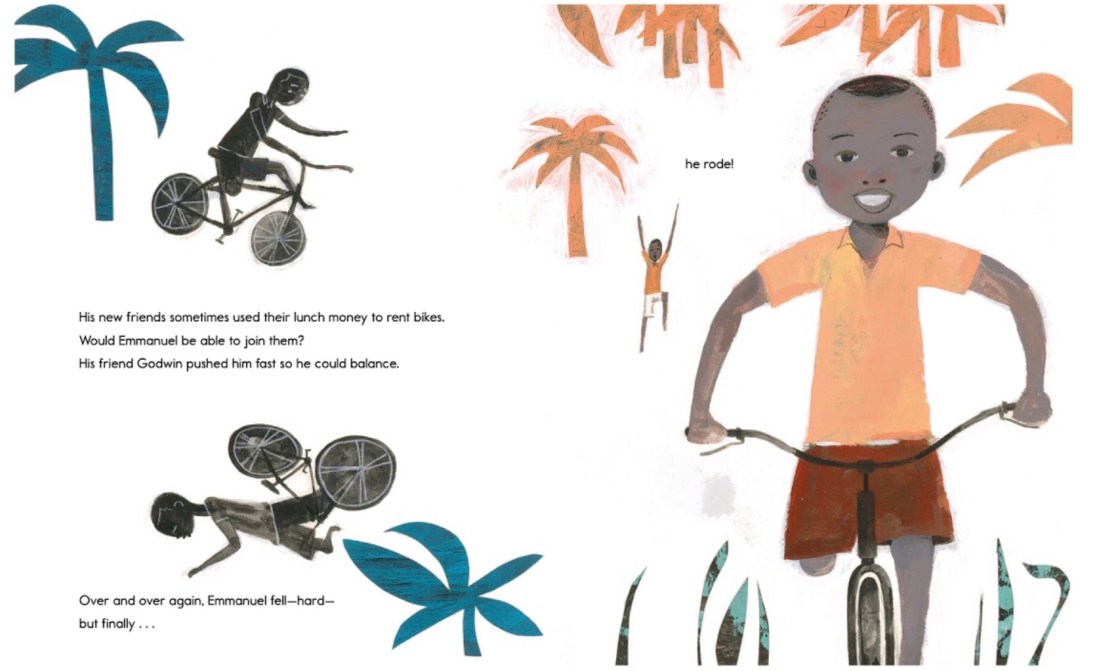
Emmanuel knew that he was different from the other children at his school, but he wanted to play with them and do the things that they were doing. He was very clever and extremely determined. Emmanuel found a way to play with his classmates and to learn to ride a bike peddling with just one leg.
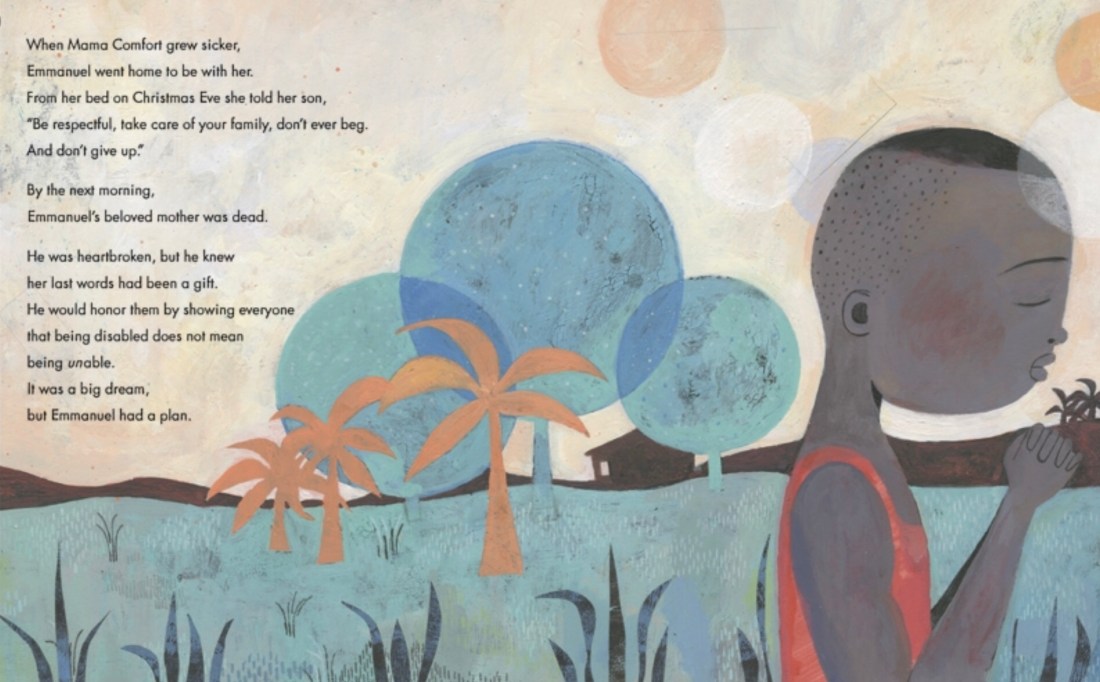
Emmanuel’s mother had great faith and was always encouraging her son to follow his dreams. Eventually the time came that Mama was too ill to care for Emmanuel and his siblings, so Emmanuel left to go to the city where he could work and earn money. Finding work was not easy as many people did not believe that Emmanuel was capable of working due to his disability. He was told by many people to go beg like other disabled people. This insulted Emmanuel who continued to follow his mother’s instructions to “Be respectful, take care of your family, don’t ever beg. And don’t give up.”

Emmanuel was gone from home for two years before he returned home before his mother died. His mother’s words and guidance continued to impact Emmanuel in every part of his life. Mama Comfort had told Emmanuel to follow his dreams, that his disability did not mean inability. He took her words to heart and went on to share his ability to persevere despite other people’s expectations of what he could not do. Emmanuel continued to advocate for his own rights as a disabled person, as well as the rights of other people with disabilities.

Emmanuel has been recognized for his continued work on behalf of others with disabilities. This story tells of his childhood and how to set out on the path to advocate for others. Children and adults will be inspired to learn about Emmanuel and how he followed his mother’s instructions and followed his dreams while helping others as he followed his dreams. This is a remarkable (and true) story about a young man who is a living breathing example that disability does not mean inability.

This book would make a great addition to the elementary classroom. Based on a real person with a physical disability who not only overcame that disability, but went on to do great things setting an example for people with and without disabilities this story teaches readers that where there is a will there is a way. Classrooms are made of diverse learners, and students of all different abilities make up today’s classroom. Students will be able to use this book to learn about a real person with a physical disability and how he worked to be recognized as person who should be treated as a person who is capable instead of a disabled person who should not go to school or work or do things like every one else.

Below is a video of Emmanuel, telling his story.

https://youtu.be/BHUDh82sZYs

Ideas for Classroom Incorporation of Emmanuel’s Dream: The True Story of Emmanuel Ofosu Yeboah:

  • ELA: multicultural literature, literature based on real people, connections to diversity, what is your dream and how will you make it a reality, sequence of events
  • GEOGRAPHY: locate Ghana on a world map, identify the distance between Ghana and the United States, identify key facts about Ghana and the United States to compare and contrast
  • SOCIAL/EMOTIONAL: identify what it means to have a physical disability, discuss the difference between disability and limitation, create a visual representation of how Emmanuel’s story can teach all people to follow their dreams
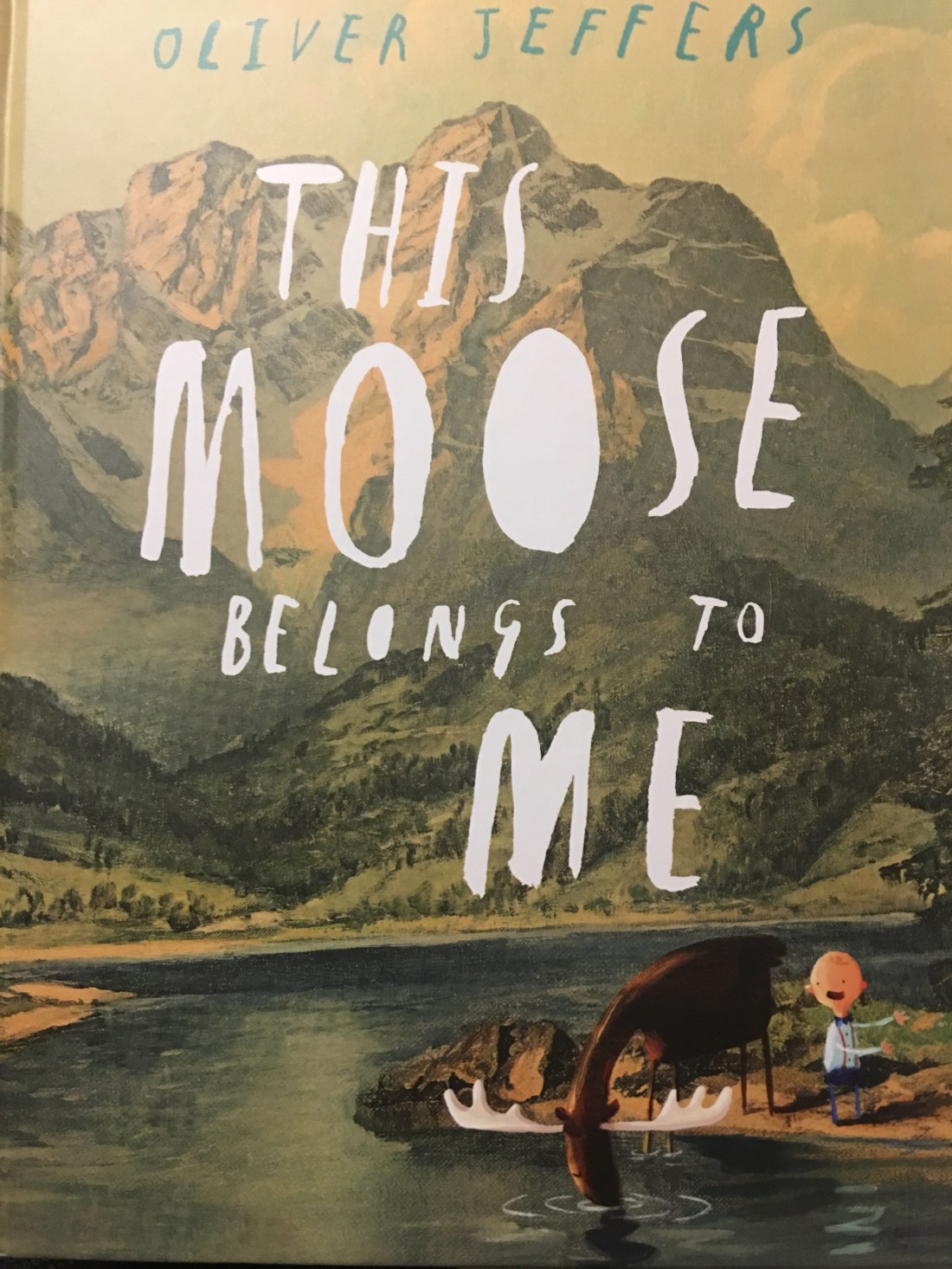
This Moose Belongs to Me, by Oliver Jeffers

Did you ever have a pet as a child? In this children’s read-aloud, we meet Wilfred.

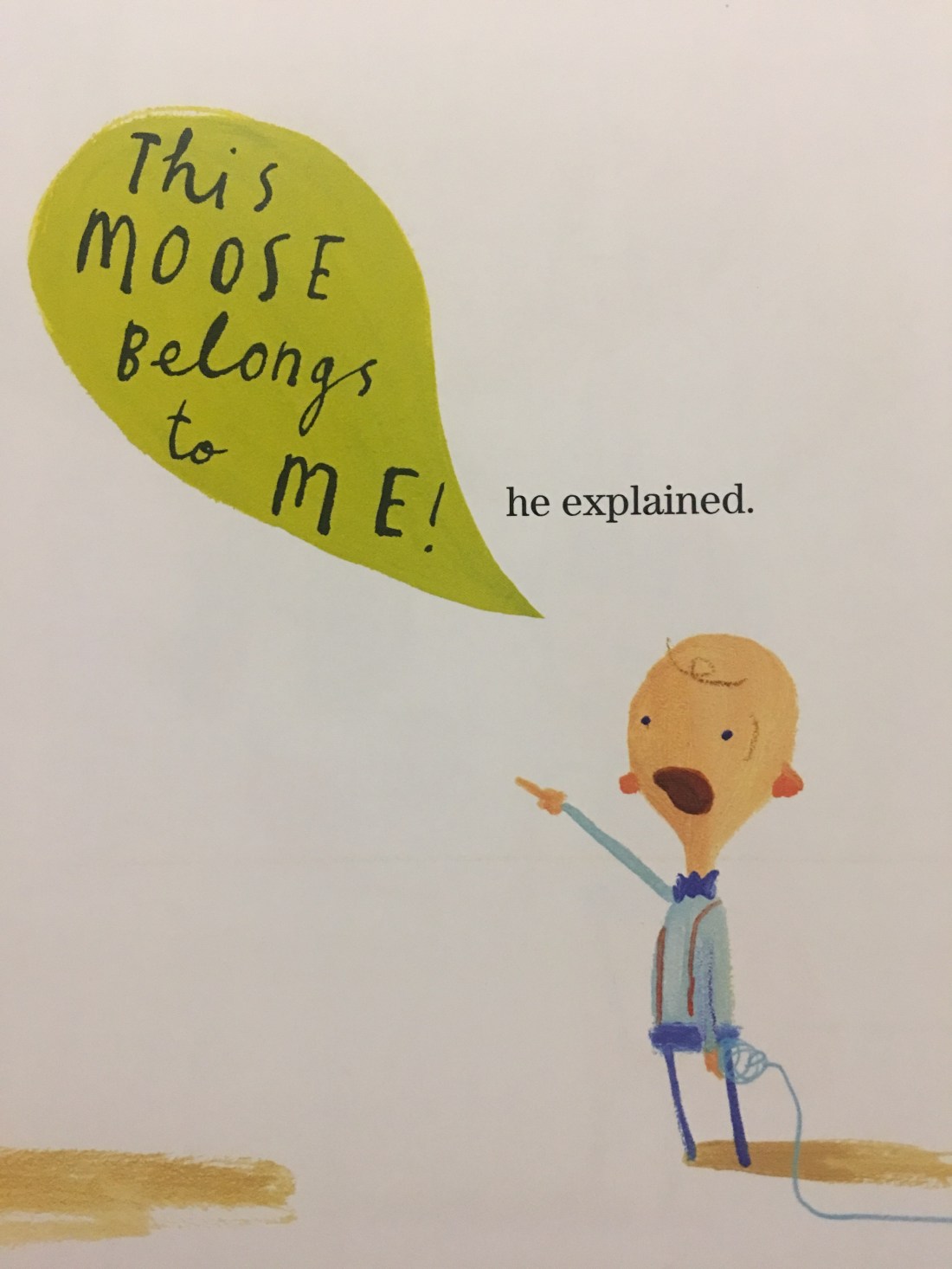
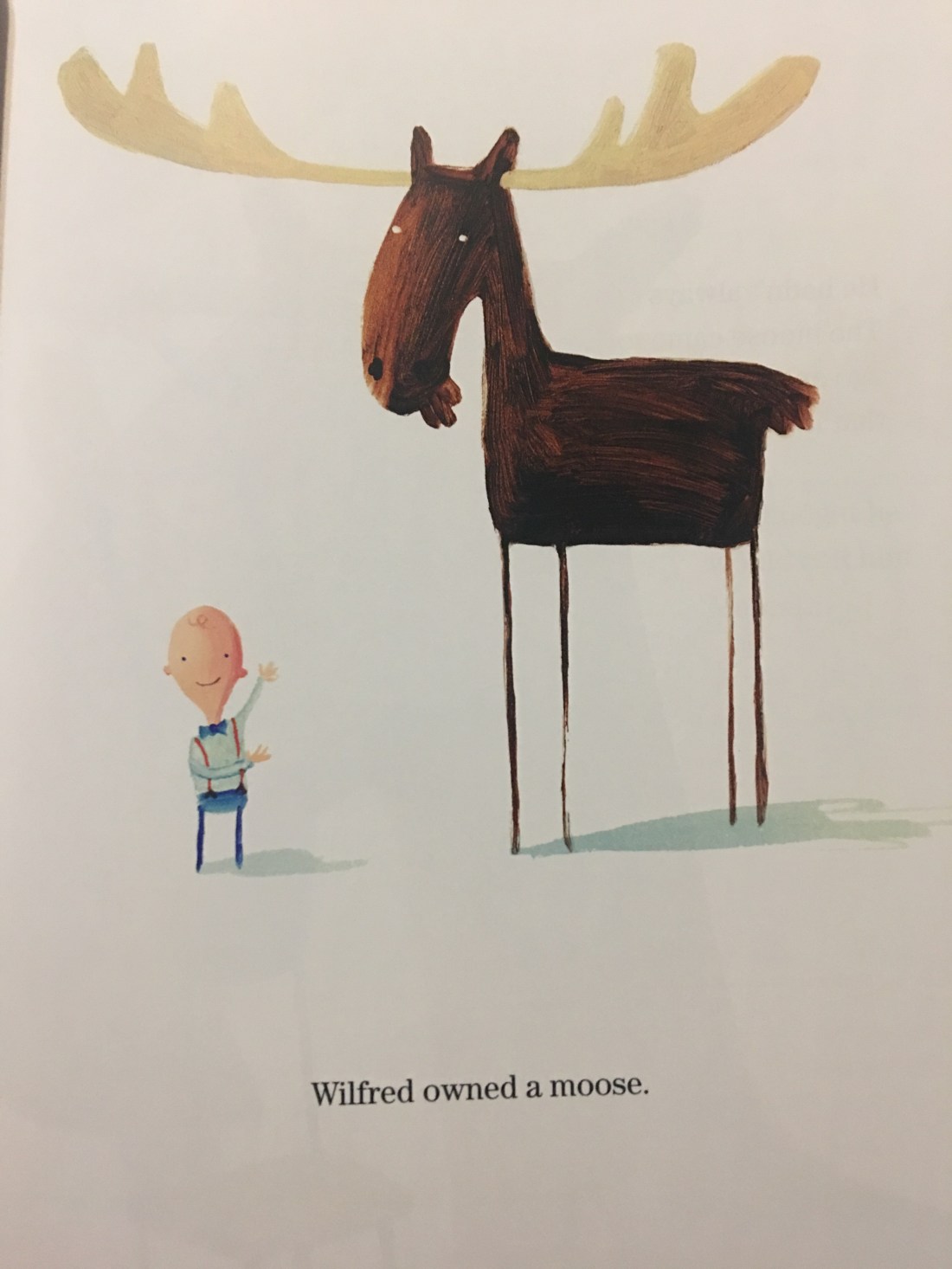
Wilfred is a small boy, who owns a very big moose.

Or, does he?

As the readers turn the pages, they discover that maybe Wilfred’s moose doesn’t belong to him as much as Wilfred thinks he does.

Wilfred names his moose. Wilfred has a list of rules he expects his moose to follow. Wilfred and his moose do all kinds of things together…until they come across someone else who seems to think Wilfred’s moose actually belongs to them!

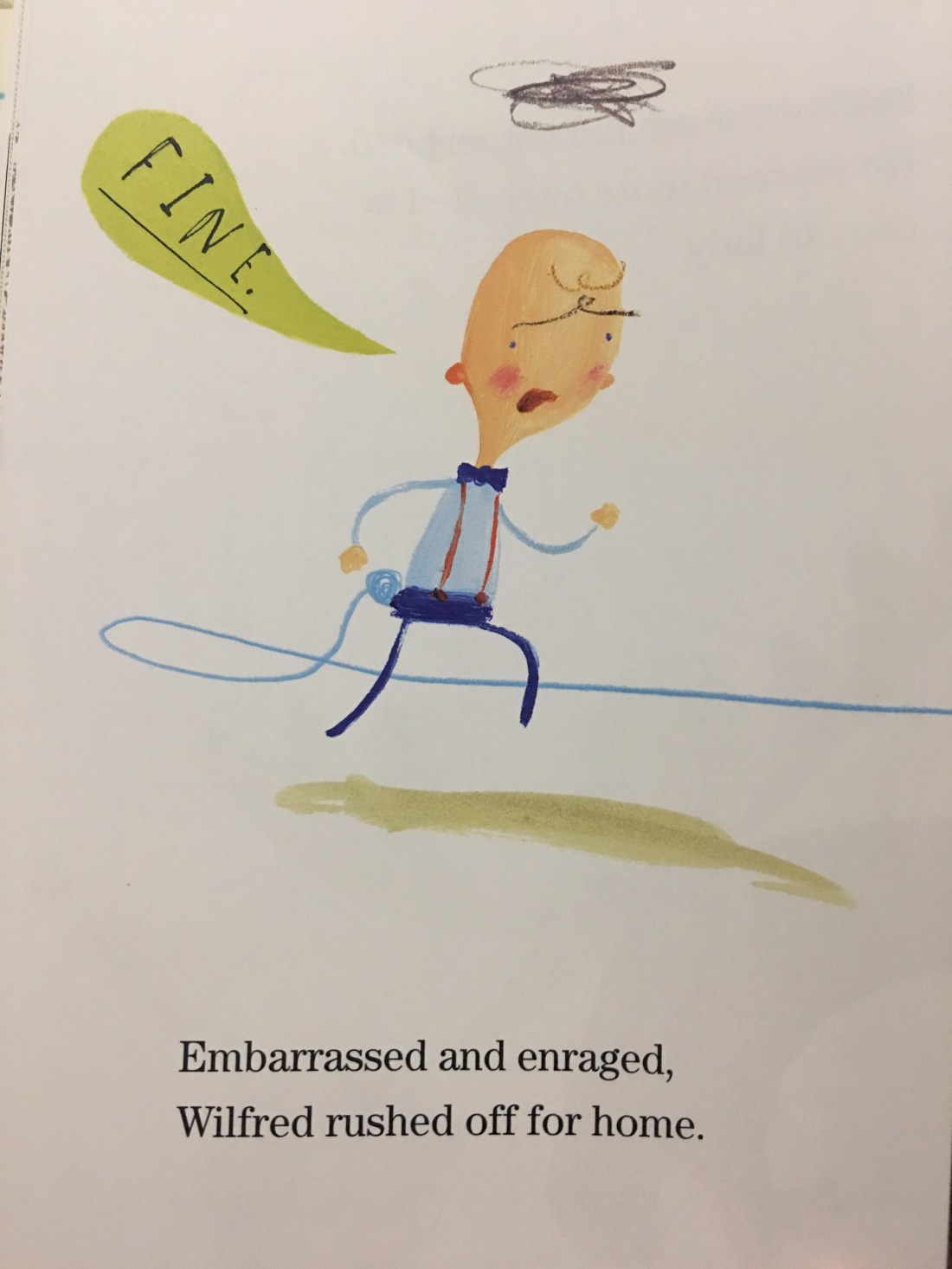
This doesn’t go over well with Wilfred. He gets angry and embarrassed by his apparent misunderstanding of who the moose belongs too and takes off on his own.

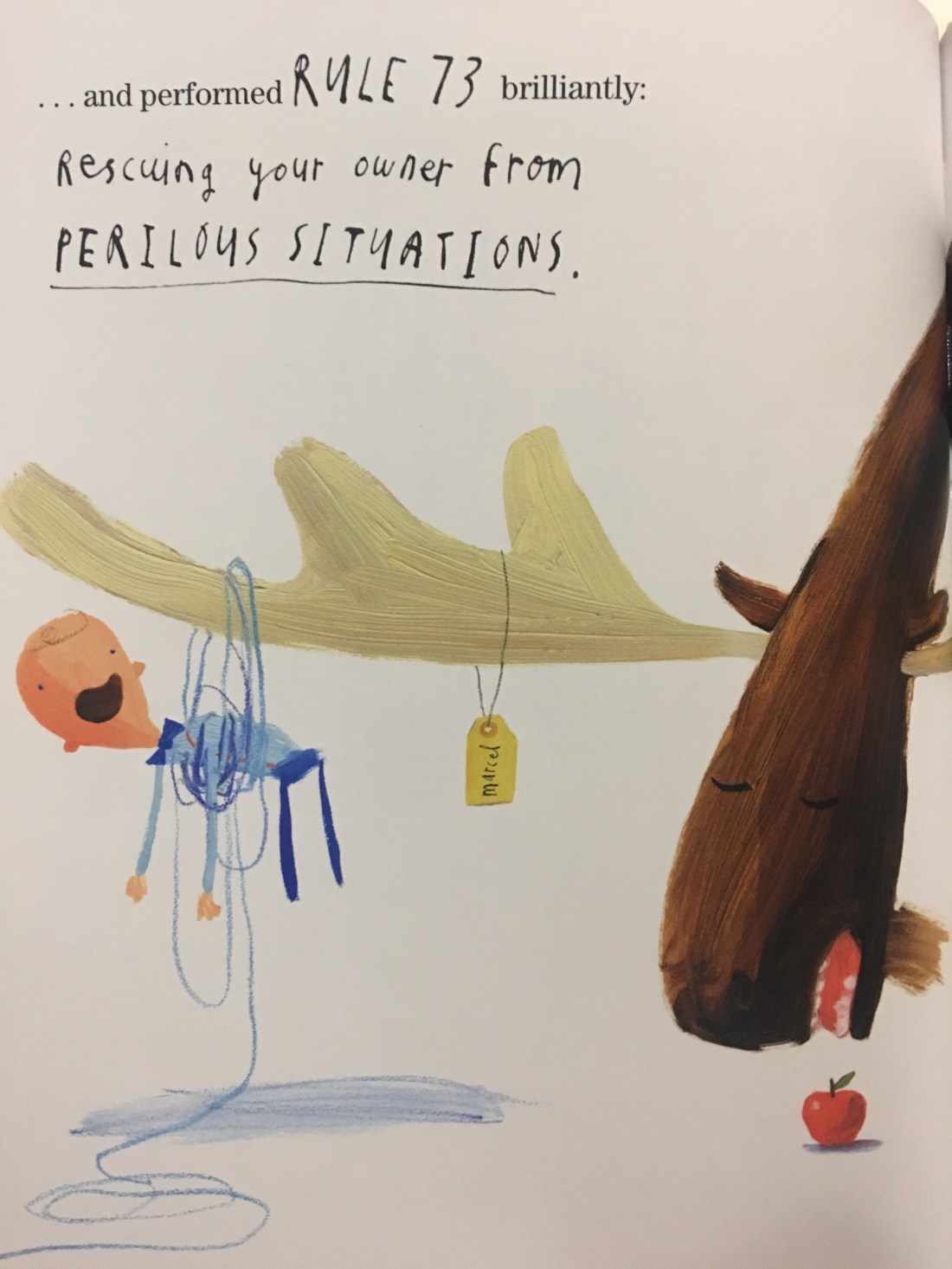
In the heat of the moment, Wilfred finds himself in quite a predicament. He is stuck with no one to help him.

Then much to his surprise, alongs comes HIS moose.

Thank goodness!

Once Wilfred was on his feet again, Wilfred and the moose came to an understanding about the terms of ownership.

If you’ve ever had a pet, or thought you had a pet, you may relate to Wilfred and his ordeal with his moose. This funny book would be fun to read to primary students to see and hear their reactions to the boy who owned a moose. The potential discussions that could happen as students are asked what they think it is like to have a moose as a pet would be both interesting an enlightening. I mean, who doesn’t have a moose – right?

I would use this book in the classroom to preface a discussion about rules and boundaries. This story offers an opportunity to talk about what is realistic and what is not. While the author provides exaggerated scenarios between Wilfred and the moose, the students can imagine what kind of animal they would want to call their own. Using their imagination, students can choose an animal and write their own rules for what they expect their animal to do. What will they do if their animal doesn’t follow the rules? Students can be asked to think about where the animal will live and what it will eat. Will they name their animal? How will they pick a name? What would you name a moose, if it belonged to you? Did Wilfred do the right thing when he found out someone else claimed the moose belonged to them? What should he have done? What would you do?

Ideas for Classroom Incorporation of This Moose Belongs to Me:

  • ELA: creative writing, brainstorming, descriptive language
  • Social/Emotional: rules and personal boundaries, recognizing emotions, appropriate coping strategies
  • SCIENCE: animal identification and characteristics, habitat
  • RESEARCH: What do animals need to eat? Where do they live? Do they make good pets?

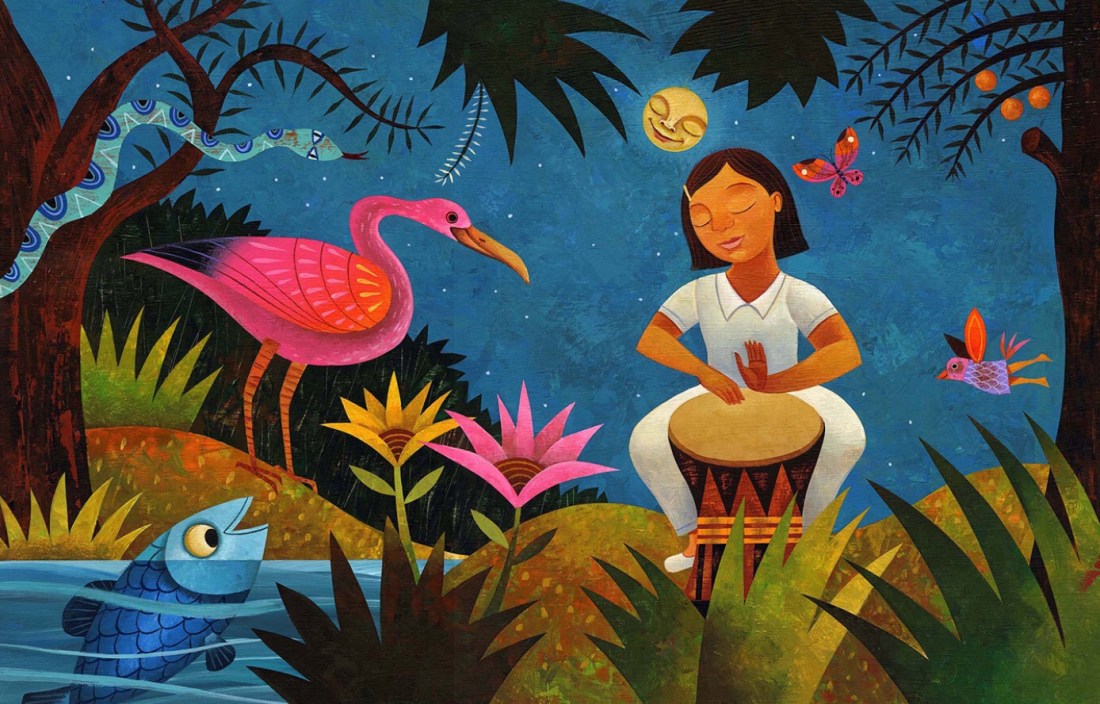
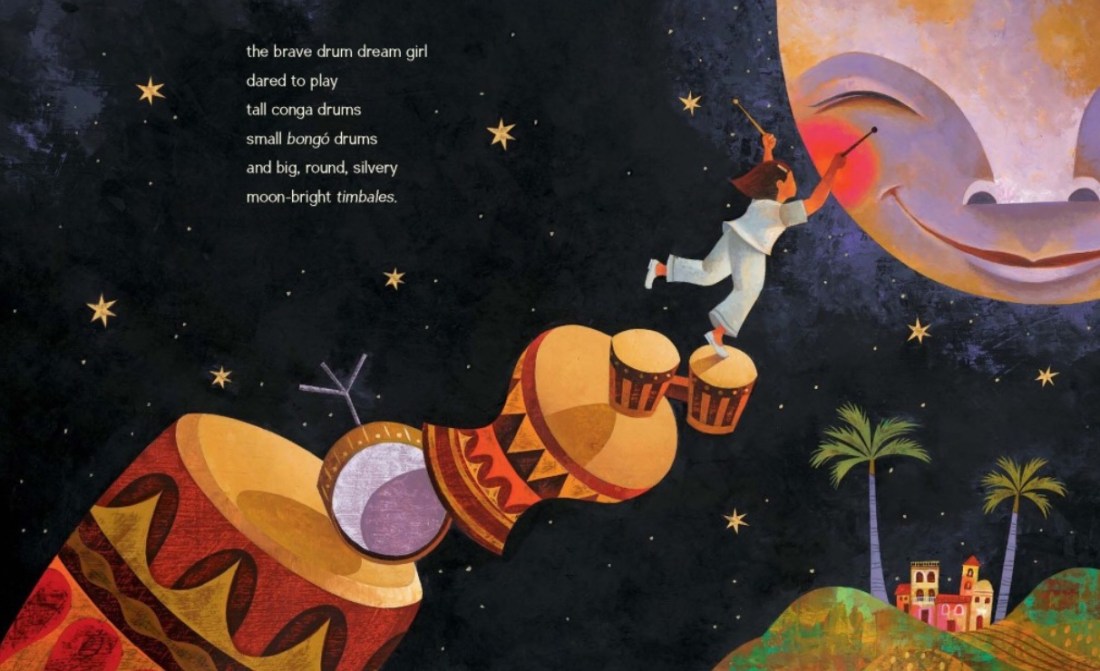
The Drum Dream Girl, by Margarita Engle and illustrated by Rafael Lopez

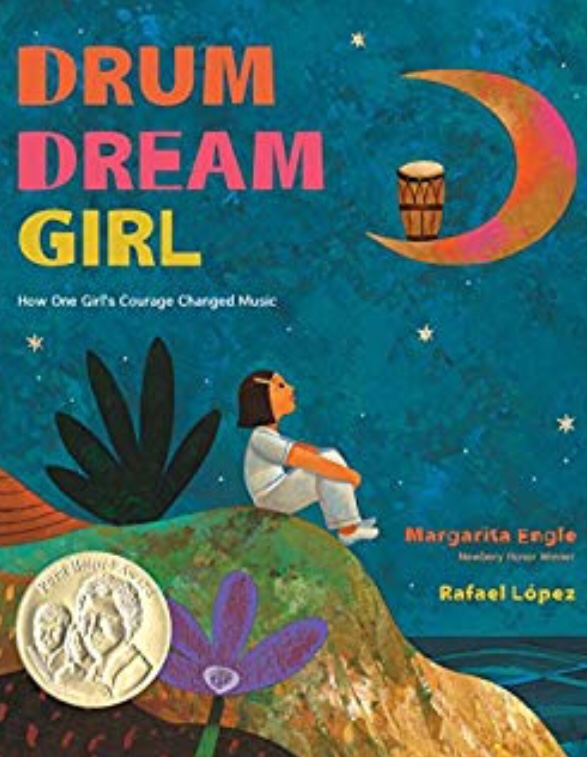
What does it mean to be brave? How do you define courage? What would you do if you were told you could not use your talent because you are a girl? (Or a boy?) In this beautifully illustrated picture book, author Margarita Engle shares the story of the Drum Dream Girl who is brave enough to follow her dreams of playing the drums.

The Drum Dream Girl lives on the Island of Music, in the City of Drumbeats where she is surrounded by the tapping and rapping of drums in every form imaginable, but because she is a girl she is told that she should not follow her dreams to play drums. Her sisters encouraged her to come dance with them, but she longed to drum instead. Her father instructed her to stop dreaming of drumming, but she longed to pound congo and bongo drums. Finally, her father promised to find a teacher that would guide his daughter’s rapping and tapping to become the very thing she had been forbidden to be – a drum girl.

The vivid colors illustrated in this book perfectly complement the author’s word choices to eloquently describe the Island of Music and City of Drumbeats. The descriptive words provide enchanting imagery for readers to see the girl and all the drumming that surrounds her in this magical place.

This book would be a wonderful addition to the elementary classroom. Teachers could utilize the descriptive language, musical vocabulary, and figurative language. This book would be a wonderful pair to an exercise in beating on trash cans to create the pounding sounds that the Drum Dream Girl was able to turn into music. Students could brainstorm other materials that could be used for drumming as they learn about the different types of percussive instruments that are used by musicians. Teachers could use this story to discuss social emotional learning topics such as courage and bravery, and introduce or discuss what it means to be discriminated against. Students could be problem solvers and think about ways to encourage all people to follow their dreams, to be courageous, and to be brave.

Ideas for Classroom Incorporation of The Drum Dream Girl:

  • ELA: figurative language (onomatopoeia), descriptive language, parts of speech, vocabulary enrichment
  • SOCIAL and EMOTIONAL LEARNING: character traits – courage, bravery, persistence, determination, inclusion
  • MUSIC: percussion, instruments, types of sound

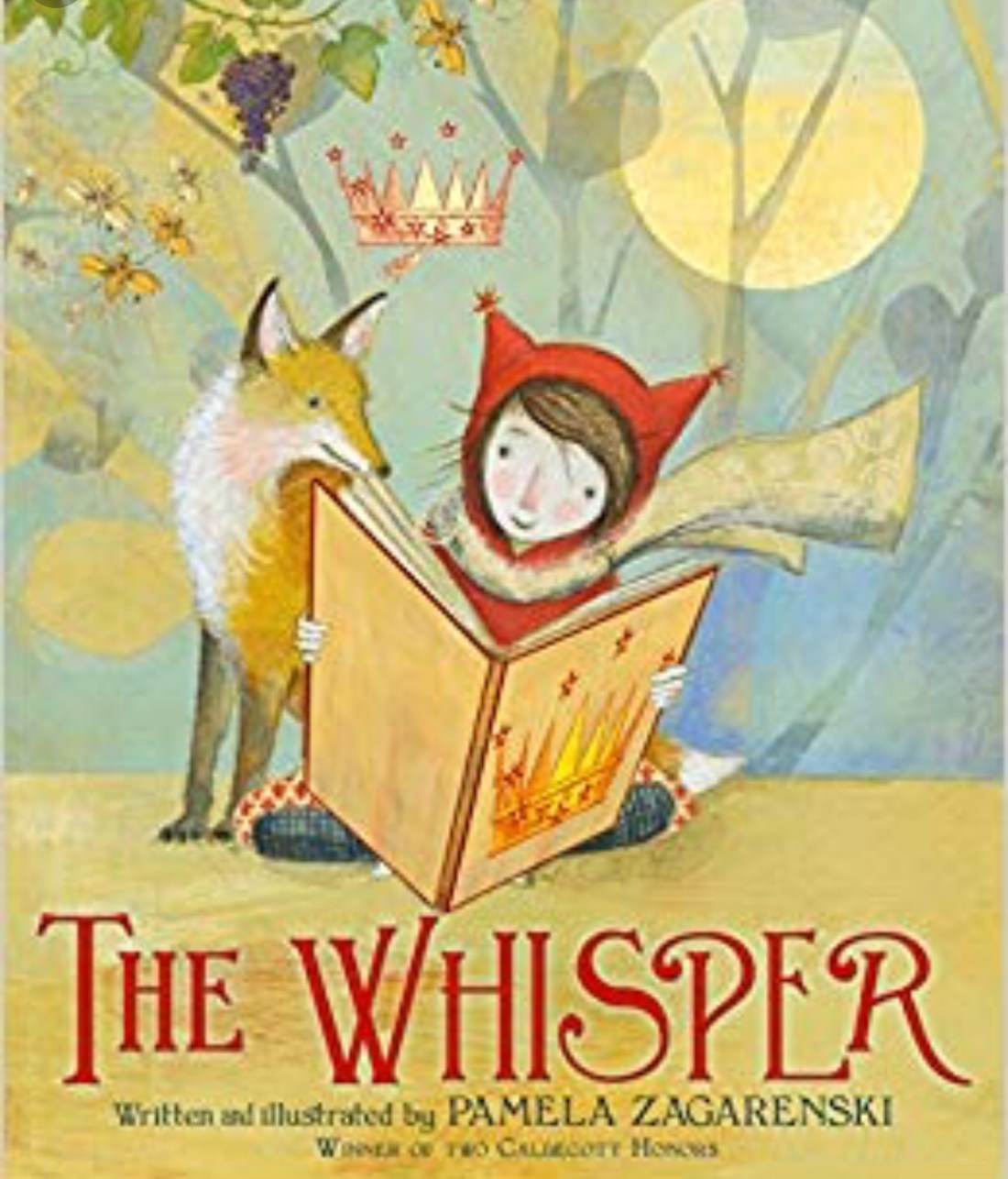
The Whisper, by Pamela Zagarenski

There once was a little girl who loved stories, she loved how the words and pictures took her to new and secret places that existed in a world all her own. – The Whisper

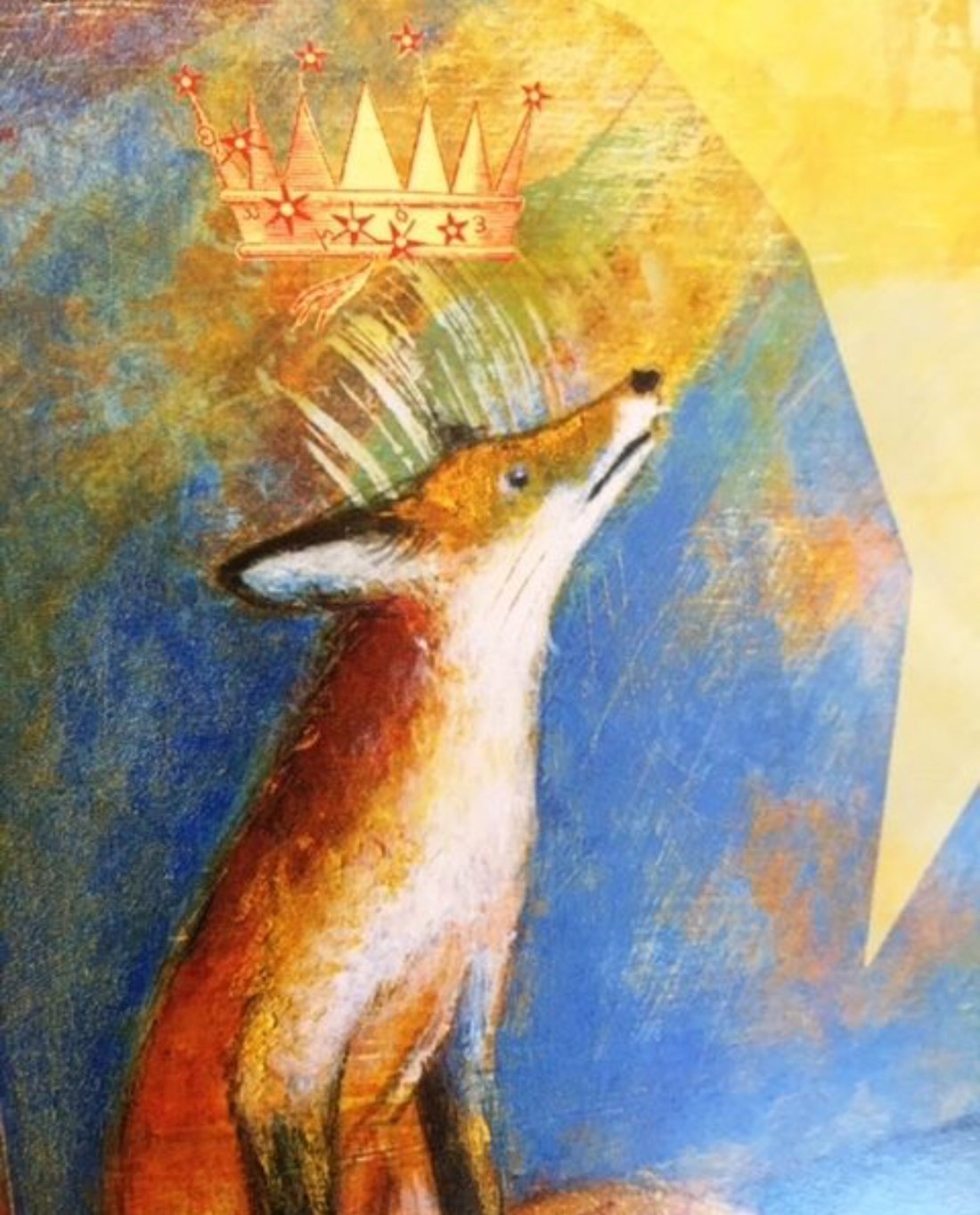
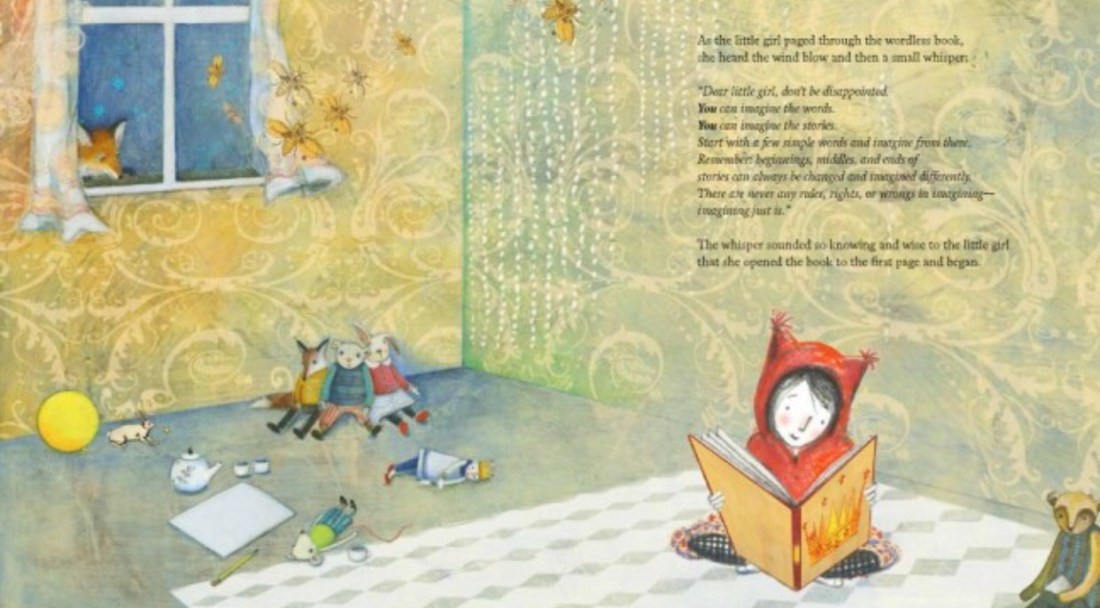
Pamela Zagarenski has written and illustrated a magical picture book about a little girl who borrows a very special book from her teacher’s bookshelf, only to find that the words have disappeared from the pages. Broken hearted, the little girl begins to cry when a soft whisper encourages her to use her imagination to create her own story as she reads the magical picture book.

As the little girl begins to use her imagination, the story she is creating continues to grow and grow. She imagines characters and music and food and a party. She imagines a beginning, a middle, and an end. She imagines conversations about cake, wizards, talking tigers, and enormous white whales. With every page the little girl turns, she imagines the most magnificent stories that captivates her long into the night.

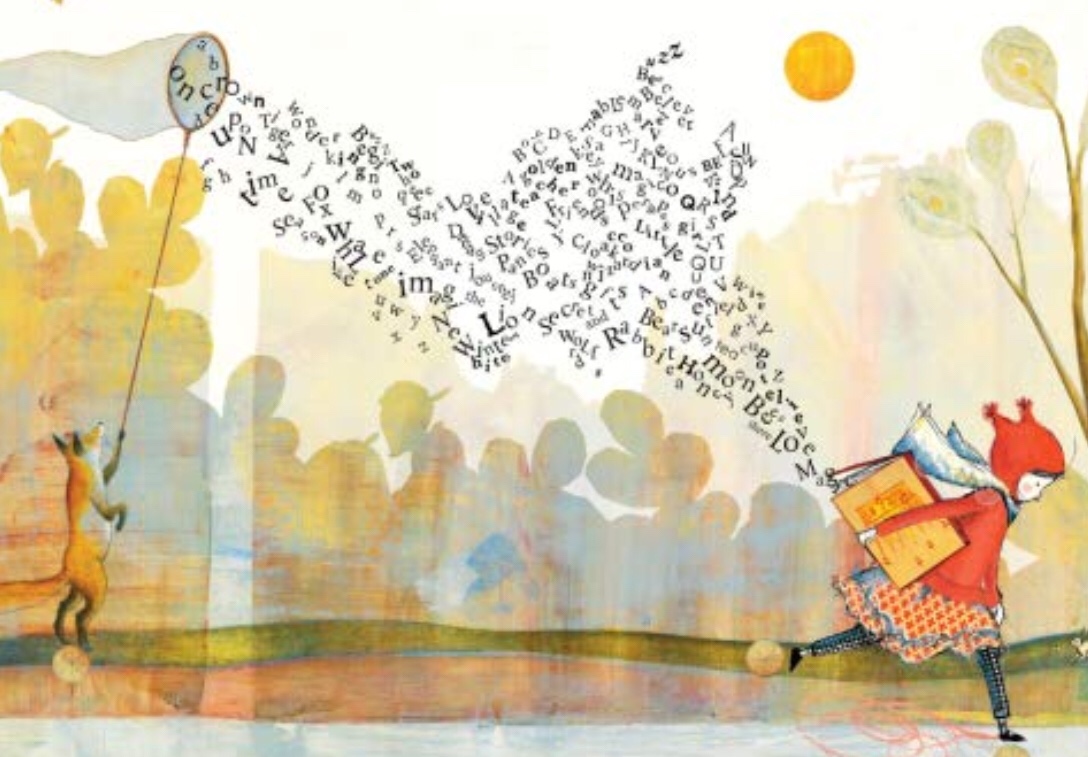
The next day the girl prepares to return to school with her teacher’s book when a fox stops her to return the words that had fallen out of the book she borrowed. Rushing on to school, the little girl tells her teacher about the fox and the words and the stories she had imagined, grateful for the adventure she had experienced.

I love this book! I love how the author creates not only visually pleasing illustrations but strings words together to tell the story of the little girl who listens to the whisper encouraging her to use her imagination.

This book would be an excellent choice to encourage students to explore wordless picture books, or venture into creative writing and illustrating. This book could be easily paired with an interesting picture prompt for students to exercise their own imagination and story telling skills. Young children are great story tellers, and this book pairs well with a lesson to develop writing skills as students consider what elements are needed for a well developed story. Whether it is used to introduce writing, or to refresh creative writing interest, this book has great potential for use in the classroom.

Ideas for Classroom Incorporation of The Whisper

  • ELA: creative writing, writing structure, story elements, visualization, imagery, figurative language, fiction, personification, types of books

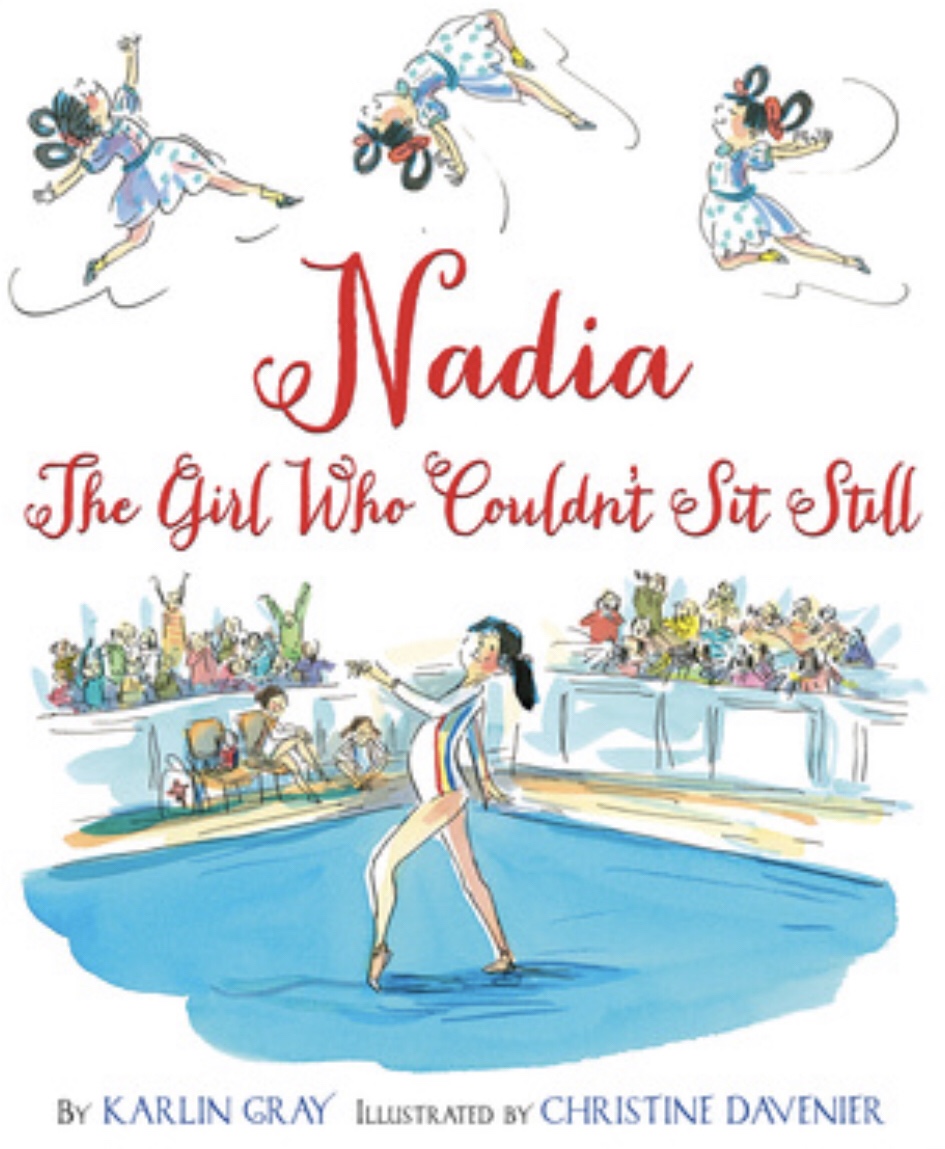
Nadia: The Girl Who Couldn’t Sit Still, by Karlin Gray and Illustrated by Christine Davenier

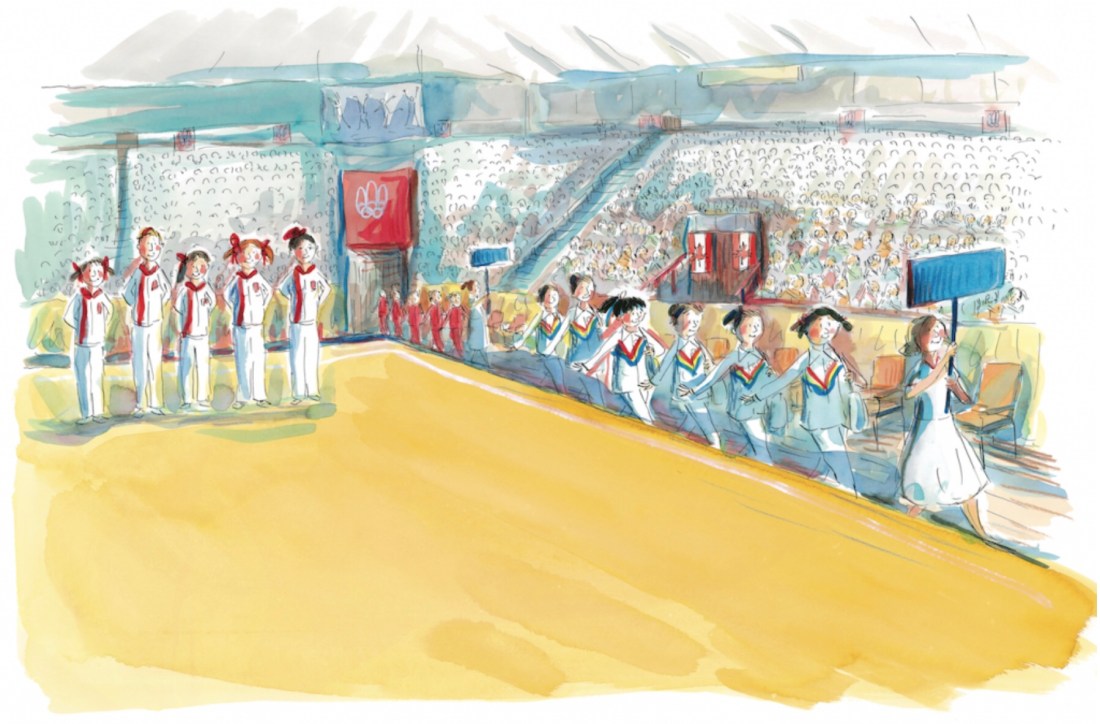
If you are a teacher, it is very likely you have a student in your class who like Nadia, struggles to sit still. I know that I do! This delightful picture book tells the story of Nadia Comaneci, a gymnast from Romania – the first gymnast to score a perfect 10, the little girl who found a way to use her energy in a positive way.

Showing my age, I can say I honestly remember watching the Olympics with my family gathered around the television set specifically to see Nadia Comaneci perform. And perform she did!! She was an amazing athlete, at such young age!!

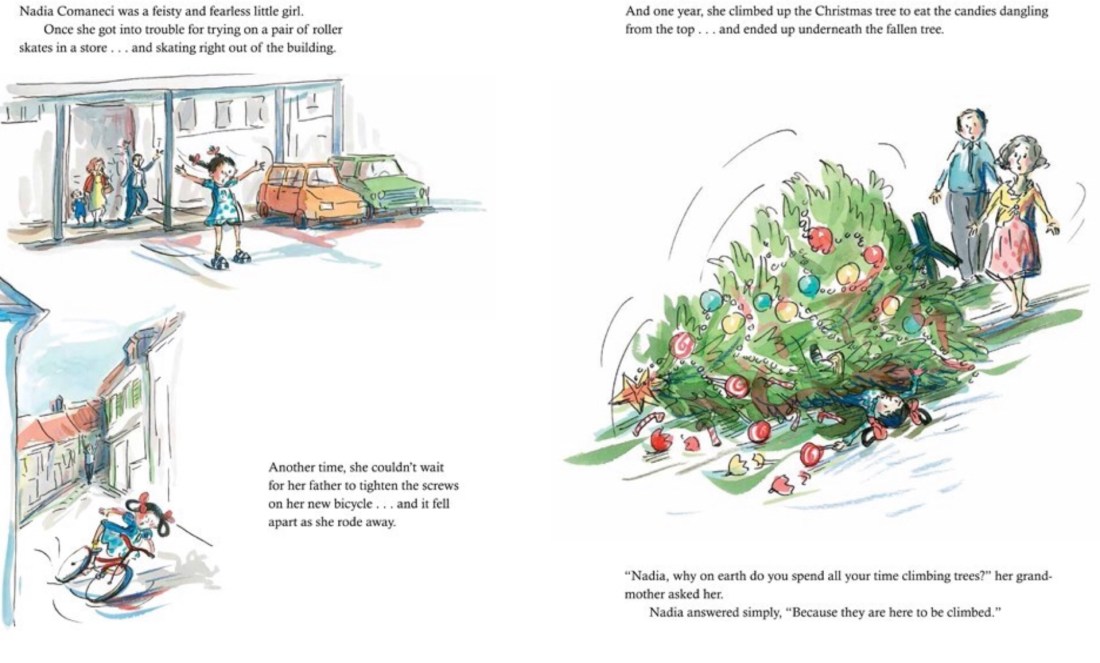
Author Karlin Gray and illustrator Christine Davenier retell Nadia’s story as a little girl fiercely determined to get up every time she fell. She practiced her gymnastic events until she perfected each skill. Nadia is introduced as a little girl who was impatient, impulsive, and constantly moving. Her mother enrolled her active daughter in gymnastics and the rest we can say, is history.

Students today many not know who Nadia Comaneci is, but they will most likely be able to relate to the little girl who couldn’t sit still. The fun illustrations and short passages make this a quick and easy read-aloud for an elementary classroom or small group. The opportunities to use this book as a part of a lesson are many! Teachers can use this book to talk about perseverance, self-control, determination, cause and effect, athletes, female athletes, historical events, annual events, geography, and many more I have not listed.

An interesting lesson that this book made me think of (also related to gymnastics) was when I was teaching 4th graders about the word vault. To my surprise, none of my 4th grade students knew what a vault was but they were doing an activity that expected them to recognize a bank vault and a gymnastics vault. Quickly I googled images to show my students the different kinds of vaults and came across videos of Simone Biles vaulting in competition. The students were entranced! (I thought is was pretty cool, too!)

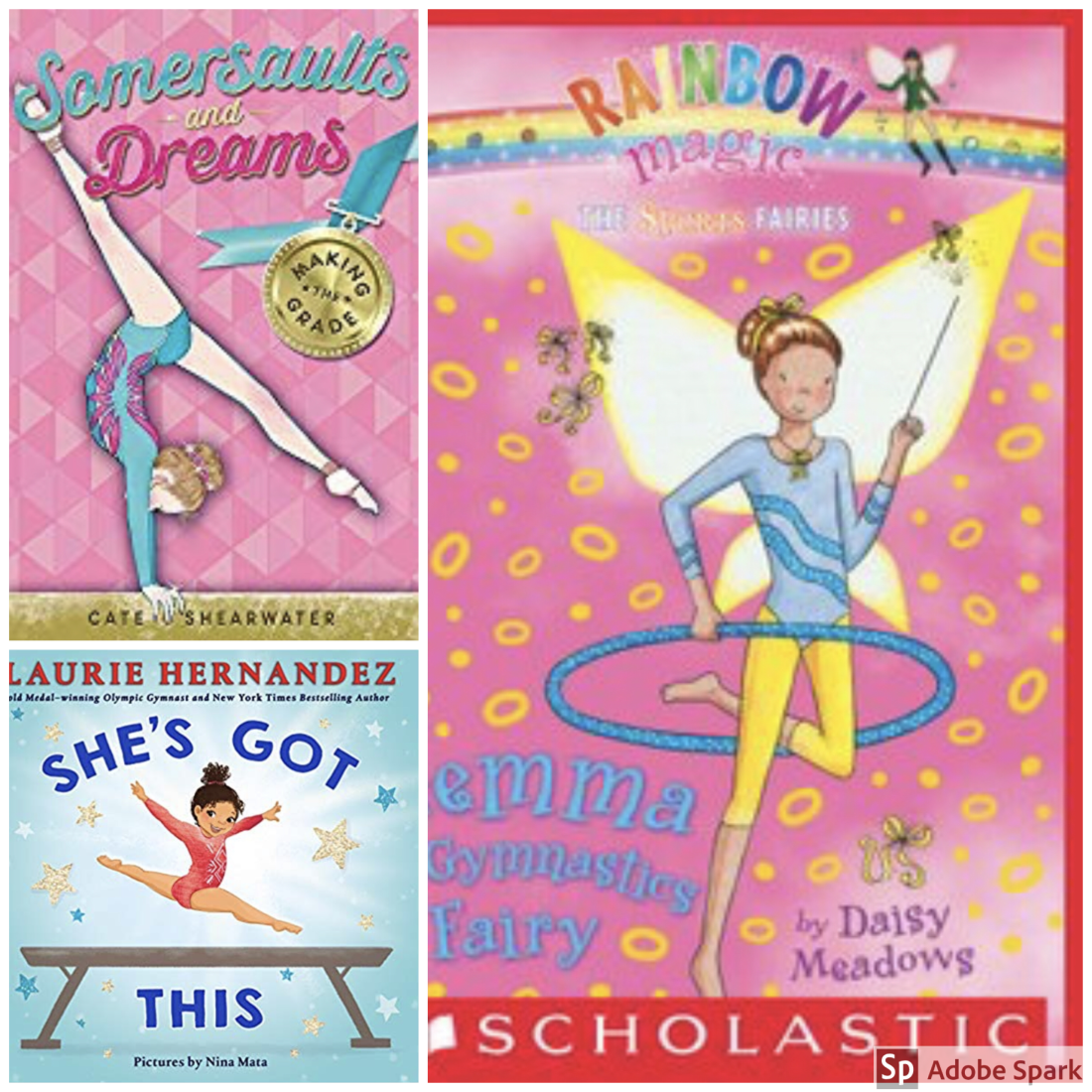
This book could also be an ice breaker to interest students in other books related to gymnasts or gymnastics. A quick search of gymnasts pulled up both fiction and non-fiction selections that would be suitable for the classroom. Students who are interested in reading more, or for the teacher wanting to add additional reading suggestions could use this as a chance to practice looking for a desired text or topic at the library. This would be a great way to develop research skills!

If you’re still looking for a hook, I highly recommend the videos of Nadia and Simone competing…they are AMAZING!!

Ideas for Classroom Incorporation of Nadia: The Girl Who Couldn’t Sit Still

  • ELA: biography, cause and effect, read aloud, picture book, theme, research
  • Social/Emotional: Growth mindset, perseverance, determination, self-control
  • HISTORY: geography, world history, Olympics, research

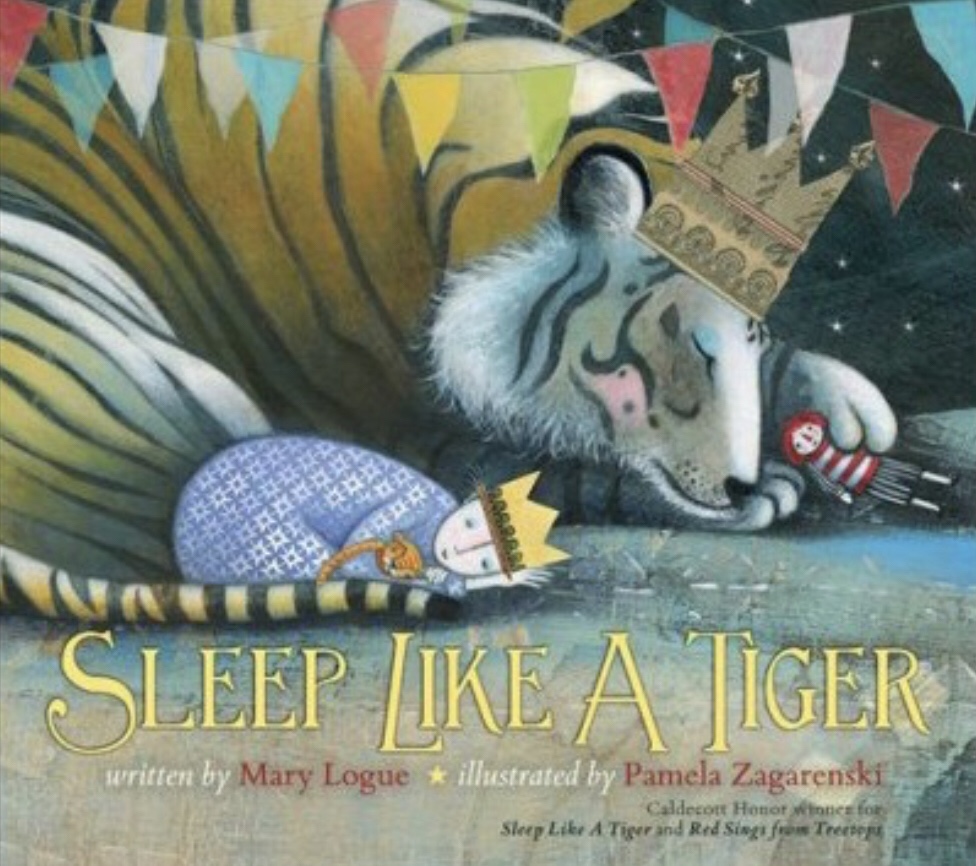
Sleep Like a Tiger, by Mary Logue and Illustrated by Pamela Zagarenski

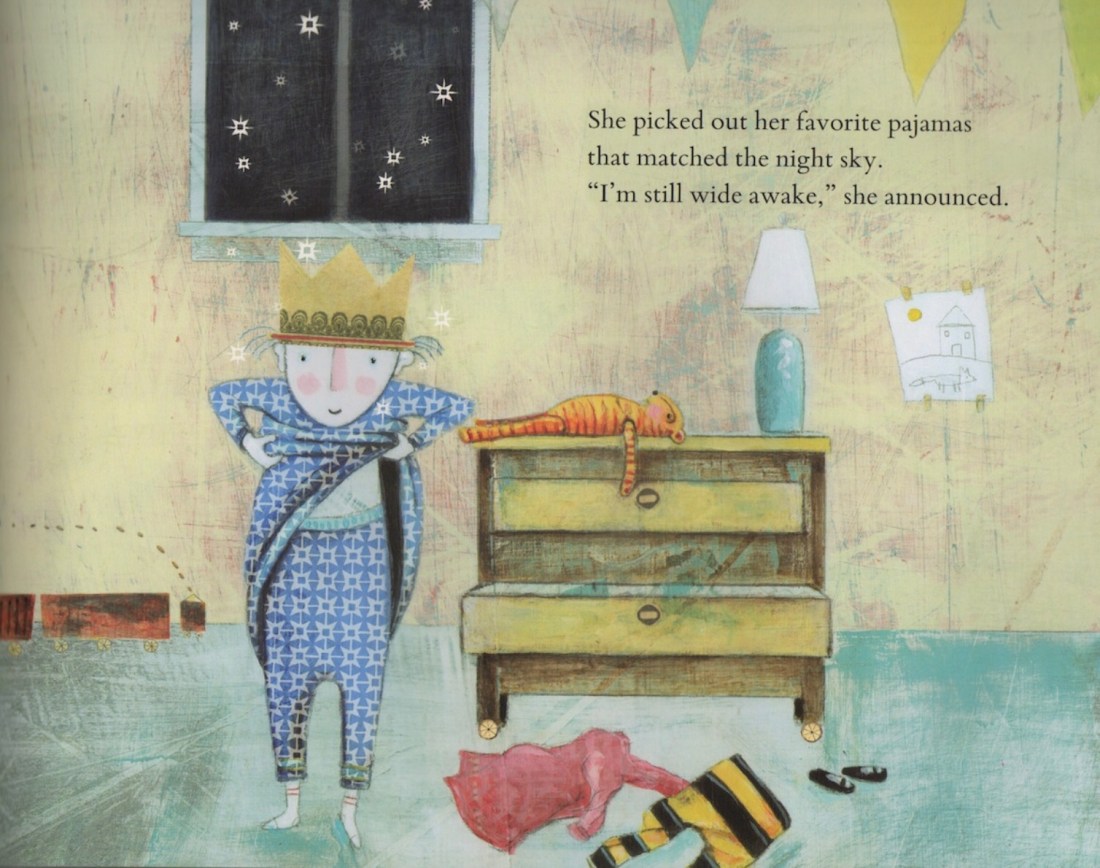
This colorful picture book that is filled with figurative language and intricate illustrations is sure to become a classroom (or bedtime) favorite. Parents and grandparents will be able to relate to the interaction of characters in this book as bedtime has come. Children will delight in the variety of animal references and visual imagery that extends from the pages. Sleep Like a Tiger may be my new favorite children’s book!

As a parent I may have once or twice, or countless times begged my children to go to sleep at bedtime. My sons were always so creative conjuring up reasons that they could not possibly fulfill my request. Like the little girl in this story, my sons often would respond that they were not sleepy and could not go to sleep. I don’t recall my children ever asking me if everything in the world goes to sleep, but I found myself smiling as I read how the parents in this book answered their child’s questions.

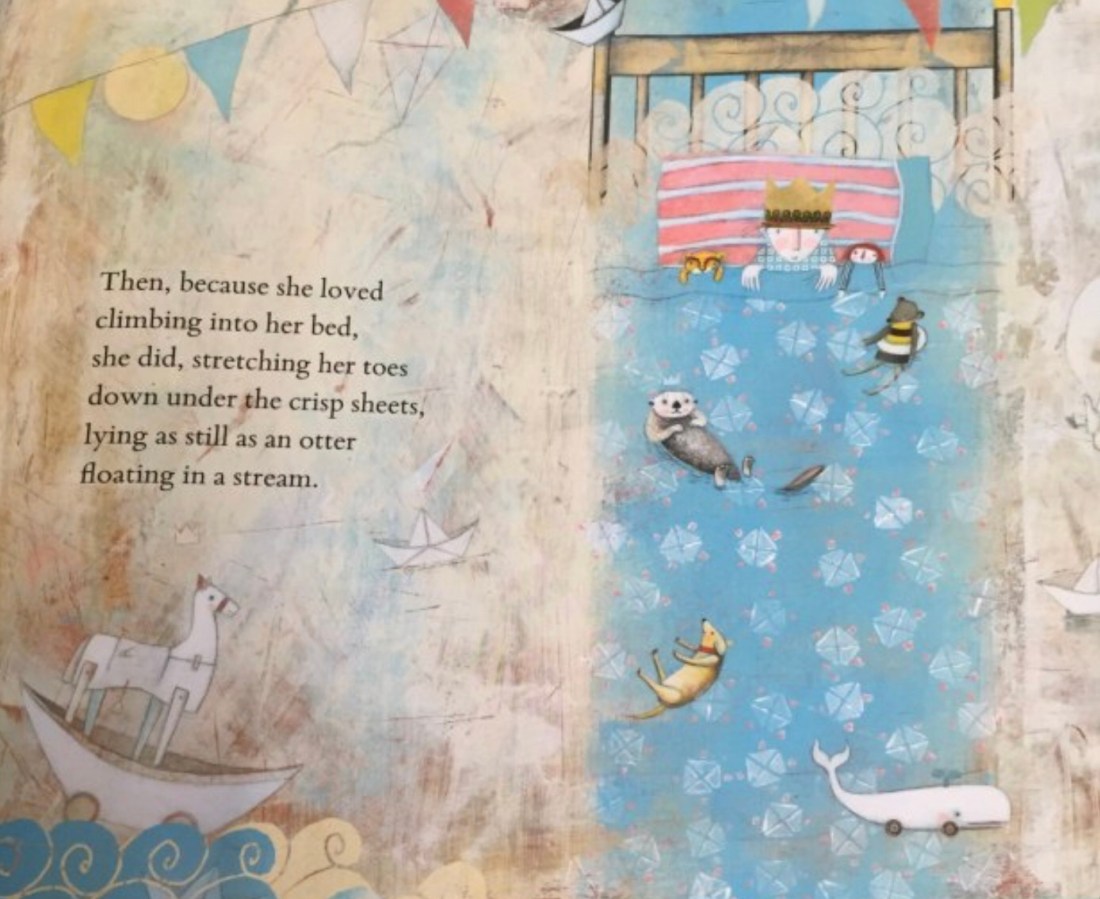
In the classroom when the lesson calls for students to learn about descriptive words and figurative language the phrase mental image or mind movie may be used. Mary Logue’s words combined with Pamela Zagarenski’s illustrations create wonderful mental images of “otters floating in a stream” and snails “curled up like a cinnamon roll inside their shells.”

The rich figurative language used by the author invites the reader to explore using unrelated words to define and describe ordinary objects. The use of metaphors and similes draws connections that make sense. The illustrations provide a glimpse of what those connections might look like if they were literal. Sleep Like a Tiger encourages readers to imagine what it is like when it is time to sleep for animals…and children alike.

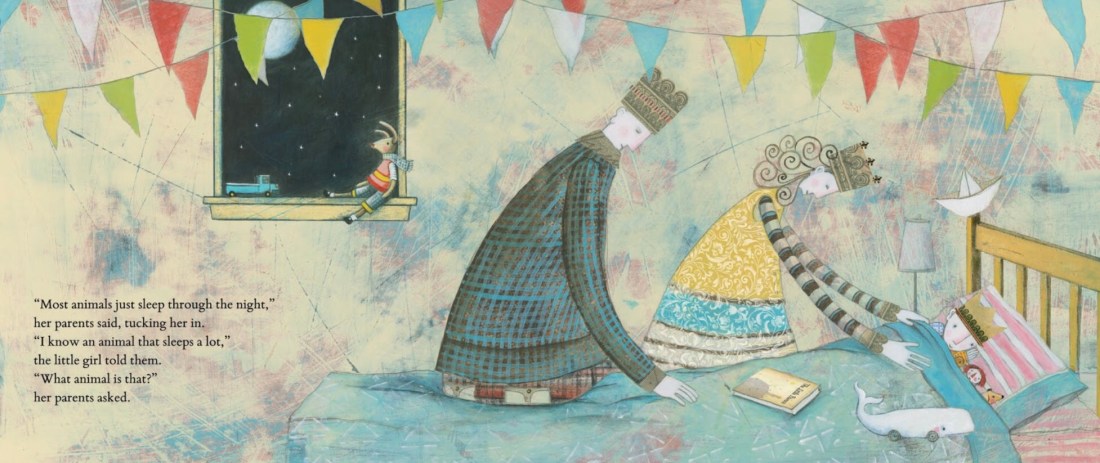
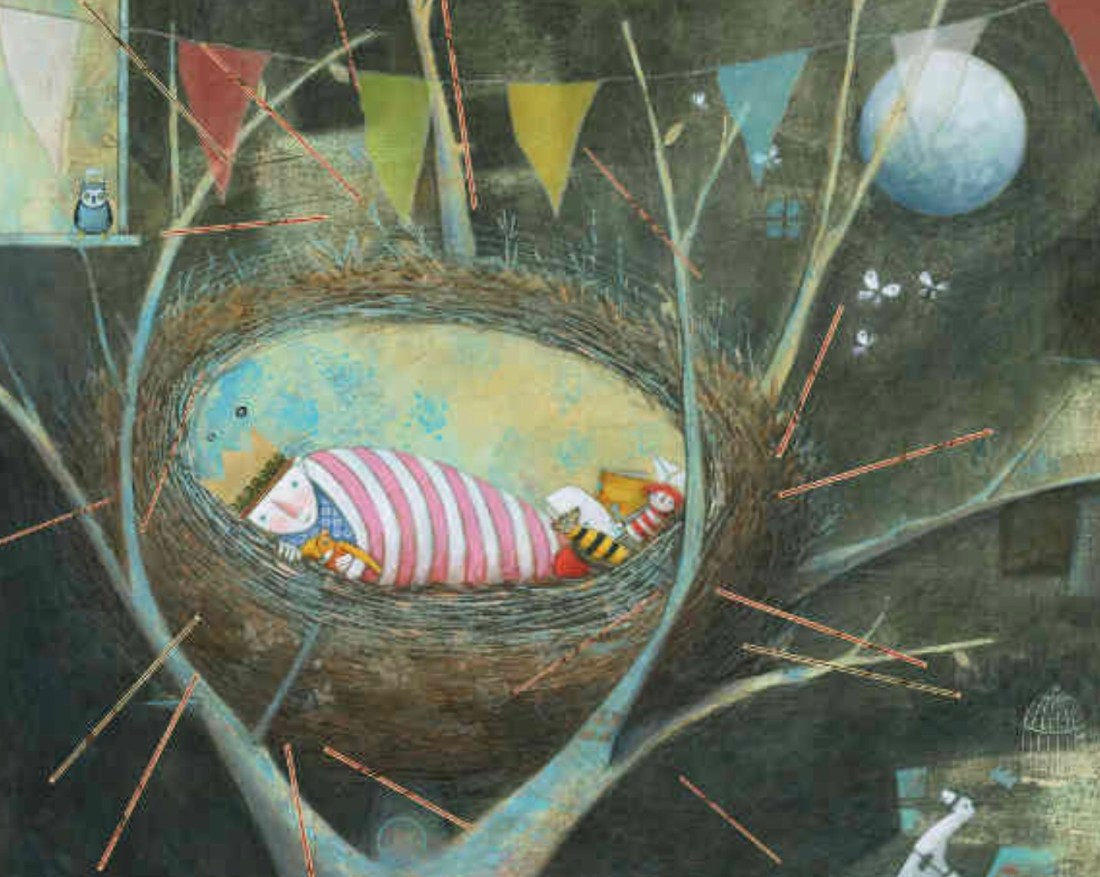
Perhaps my favorite line and illustration from this book come when the author describes the little girl’s bed, a cocoon warm and cozy.

The picture book is filled with detailed artwork that lends itself to a classroom picture walk with young students. Even students who are pre-reading or emergent readers will find the illustrations a treasure trove of colors and images. The image above is both simple and detailed at the same time. Children who may not be able to read the words yet, will quickly recognize what is happening in this picture and be able to make predictions and draw conclusions based on the illustrations.

Although this book may be best suited for primary students, I love the idea of bringing this book into the intermediate classroom to reinforce lessons in figurative language and extend or introduce science lessons about animal characteristics. I would ask my students, how do animals sleep? This book could be used as a resource to excite and interest students prior to selecting an animal to research and write about. The value of this book in the classroom is deep and wide.

Ideas for Classroom Incorporation of Sleep Like a Tiger:

  • ELA: figurative language, descriptive words, imagery, visualization, metaphors, similes, picture walks, author/illustrator studies, text features

  • SCIENCE: animal characteristics, phases of the moon, healthy habits – sleep

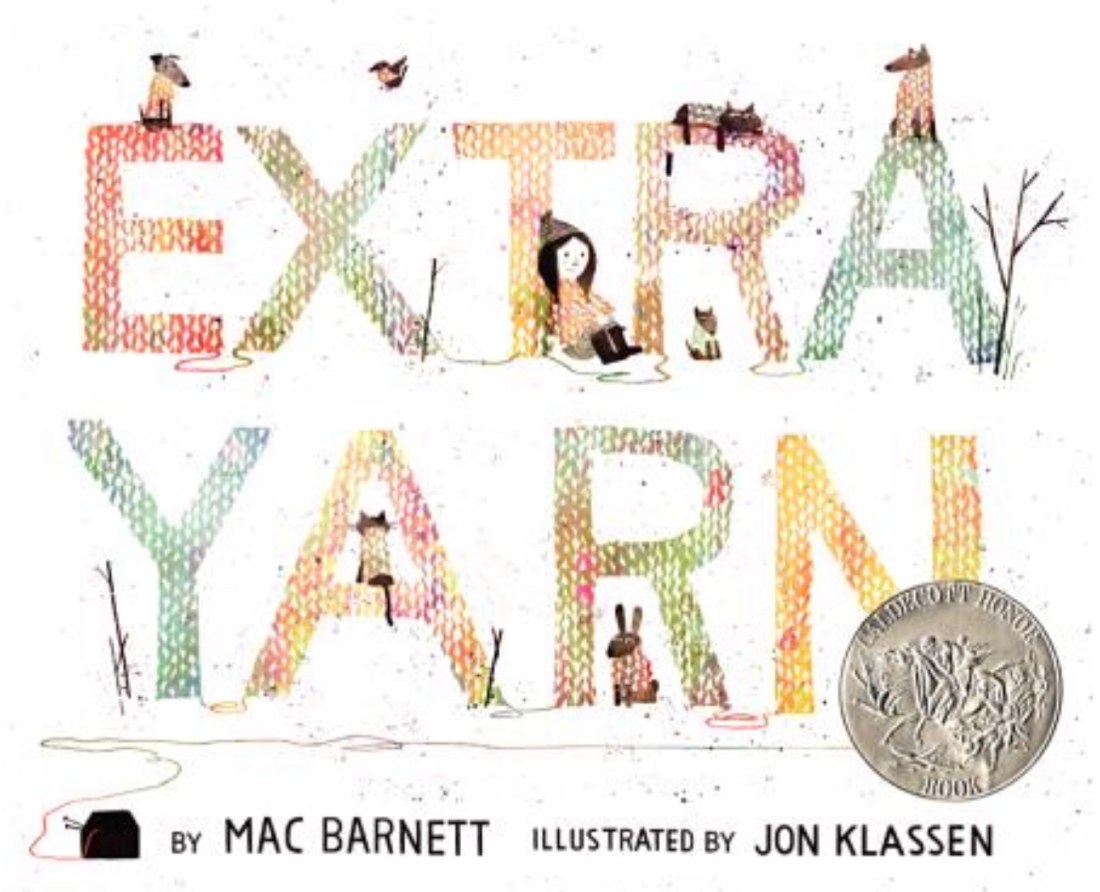
Extra Yarn, By Mac Barnett

I have to confess, I selected this book because of my own love of yarn. As someone who learned to crochet as an adult, I gladly admit I can never have enough yarn!

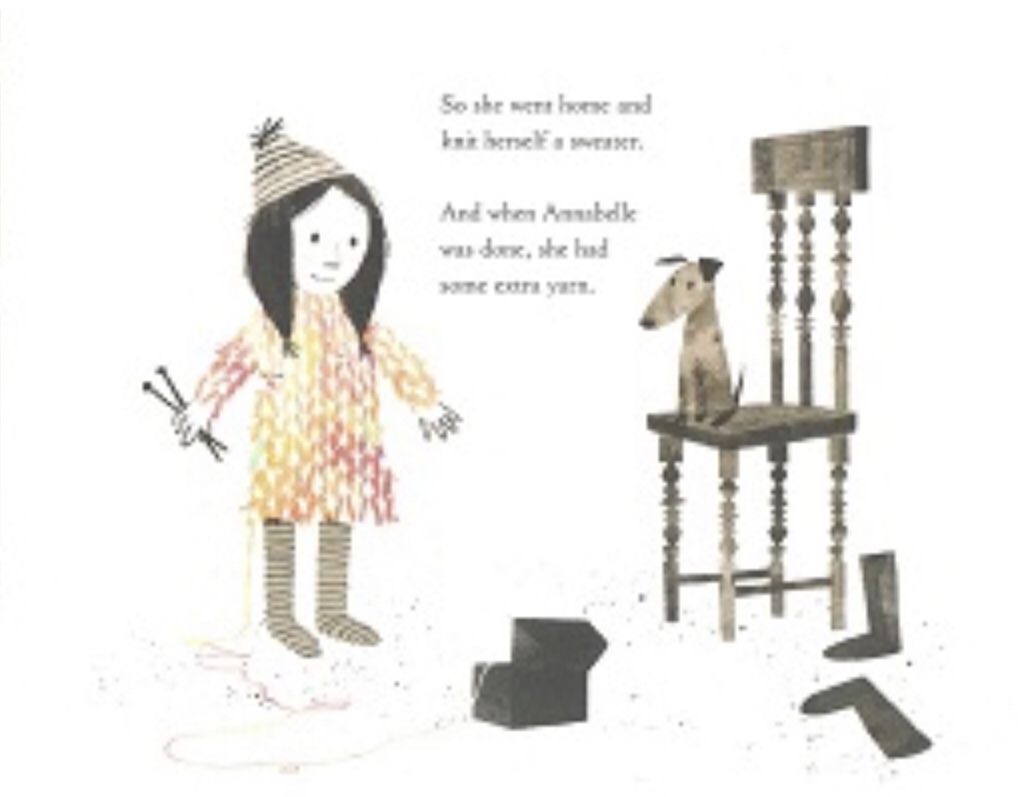
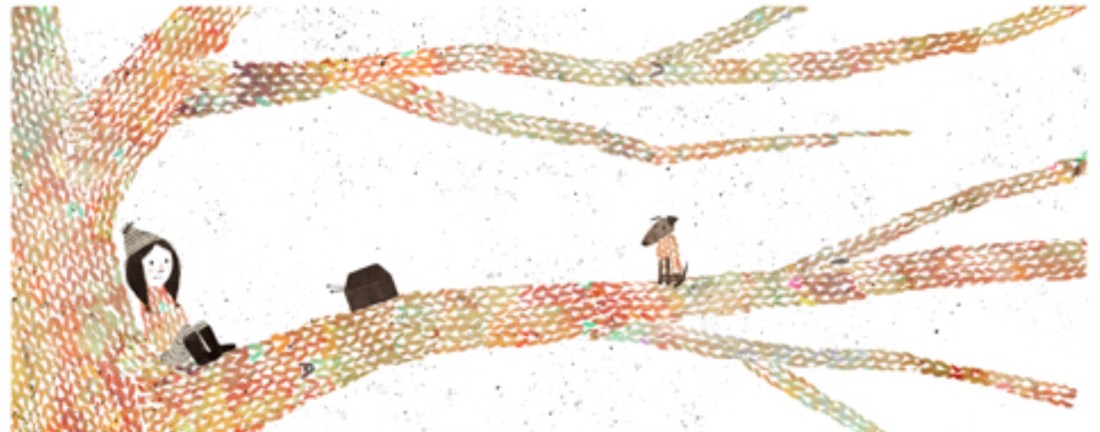
This picture book features young Annabelle, who finds a box of yarn that just keeps giving. Annabelle begins by using the yarn from the box to create sweaters for herself and her dog and quickly finds that the yarn supply does not diminish as she shares with her family and friends.

The pictures are simple, yet effective as the author weaves in a heartfelt theme of giving. This is a story I would chose to use in my classroom for students to learn theme. As Annabelle continues to give without asking for anything in return, her box of yarn continues to stay full. That is a powerful message for students to learn about what it means to share freely without an expectation of getting something in return.
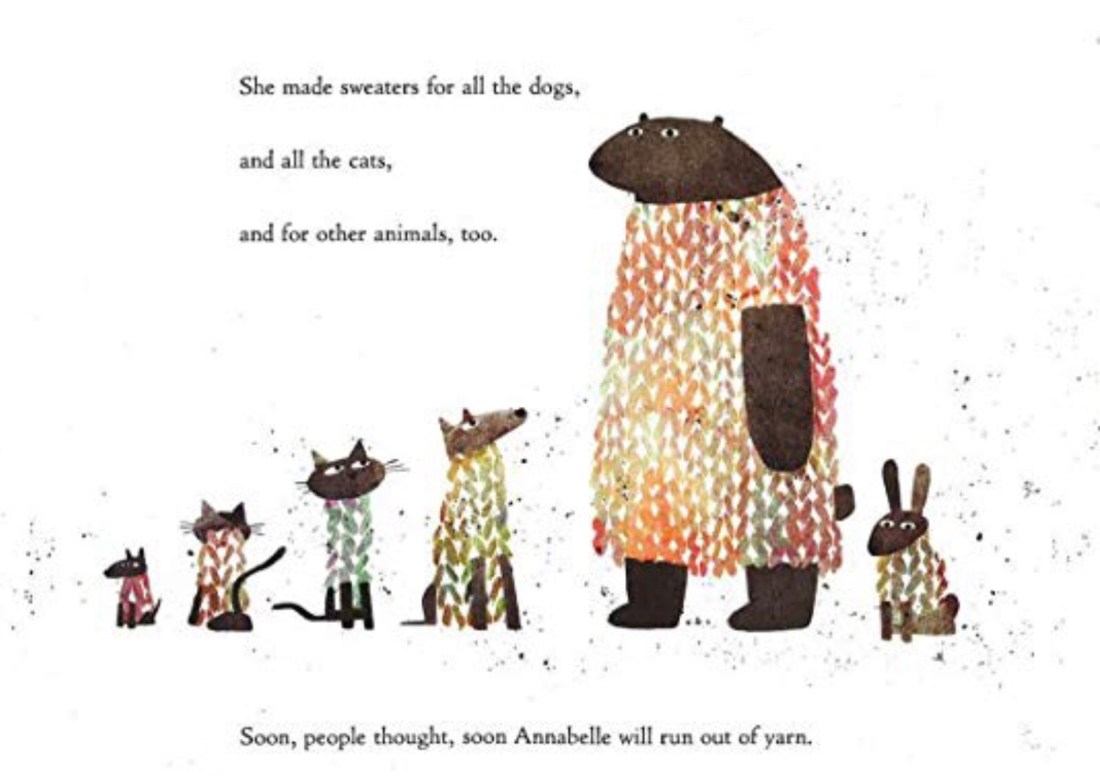
Of course, along the way she did discover that not everyone shared her giving heart. That is a reality that students already know – sometimes people have ulterior motives that are not nice. How did Annabelle handle it when someone wanted her box of yarn? She handled it gracefully and discovered that in the end, everything worked out pretty well.
Ideas for Classroom Incorporation of Extra Yarn:

  • ELA – theme, figurative language
  • Social/Emotional – self-control, kindness, stealing, generosity
  • Math – measurement, infinity (vocabulary)