Please Ignore Vera Dietz, by A. S. King

Very rarely does a book have such a powerful opening page that I am compelled to comment out loud as I’m reading. This book did, and I struggled to put it down.

This young adult novel allows readers to get to know Vera Dietz in the aftermath of a terribly tragic loss in her life. As Vera works through the days and months that follow burying her childhood best friend and neighbor, she must deal with inner conflicts that have gone unmended between her and her father, her and her mother, and most importantly between her and herself because her conflict with her friend Charlie is now amplified by his death. Dealing with death and loss is never easy, and dealing with death and loss that is surrounded in lies tangled up in guilt and shame and anger is even more difficult.

The author wrote this book mainly from Vera’s perspective, with brief inserts to allow the reader to hear from the other characters – including the dead kid. This opens the reader’s mind to the different sides of each conflict between the characters. The story is often raw and painfully direct, written in a way that makes the characters seem very real. I know that I kept reading because the more I read, the more questions I had about what happened to Vera? What happened to Charlie? What really happened at the neighbors house? Was there something more sinister between the characters? Sometimes my questions were answered, sometimes I was given just enough information to create new questions and still leave me wondering.

Vera was wondering, too. Her questions and inner conflicts finally grew to become so heavy that she could no longer ignore them. Although it was not easy, she found a way to come to terms with some of the turmoil in her life and a way to make peace enough to move forward.
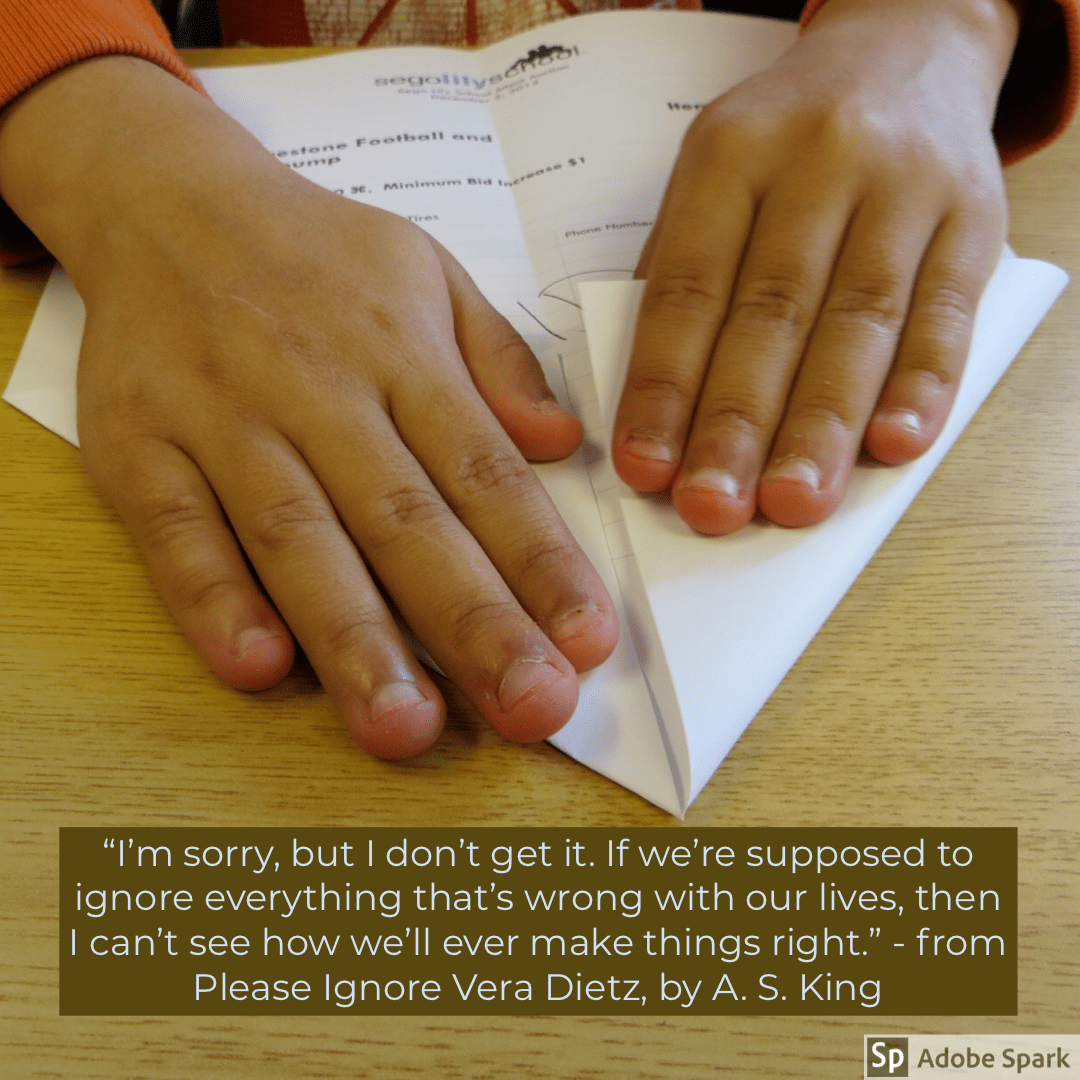
I can see this book being well suited for the upper middle school and high school classroom. I believe that the students may relate to the characters while being intrigued by the suspense of trying to piece together what happened to Vera’s friend Charlie the night he died. I believe it would be interesting to read this book in small groups with students to hear their take on the conflicts that Vera is struggling with, and how they interpret each character and situation. Students could discuss or even just be prompted to think about What should Vera do? What would I do? This book is a longer read, and may be best suited for readers with more experience and stamina to read independently. If a teacher is interested in motivating students to read for themselves, this book would make a great first chapter read aloud to capture their attention.

Ideas for Classroom Incorporation of Please Ignore Vera Dietz

  • ELA: point of view, types of conflict, vocabulary, character traits, plot

  • Social/Emotional: relationships, social justice, personal responsibility, self-control, secrets vs. confidential, making mistakes, restoration
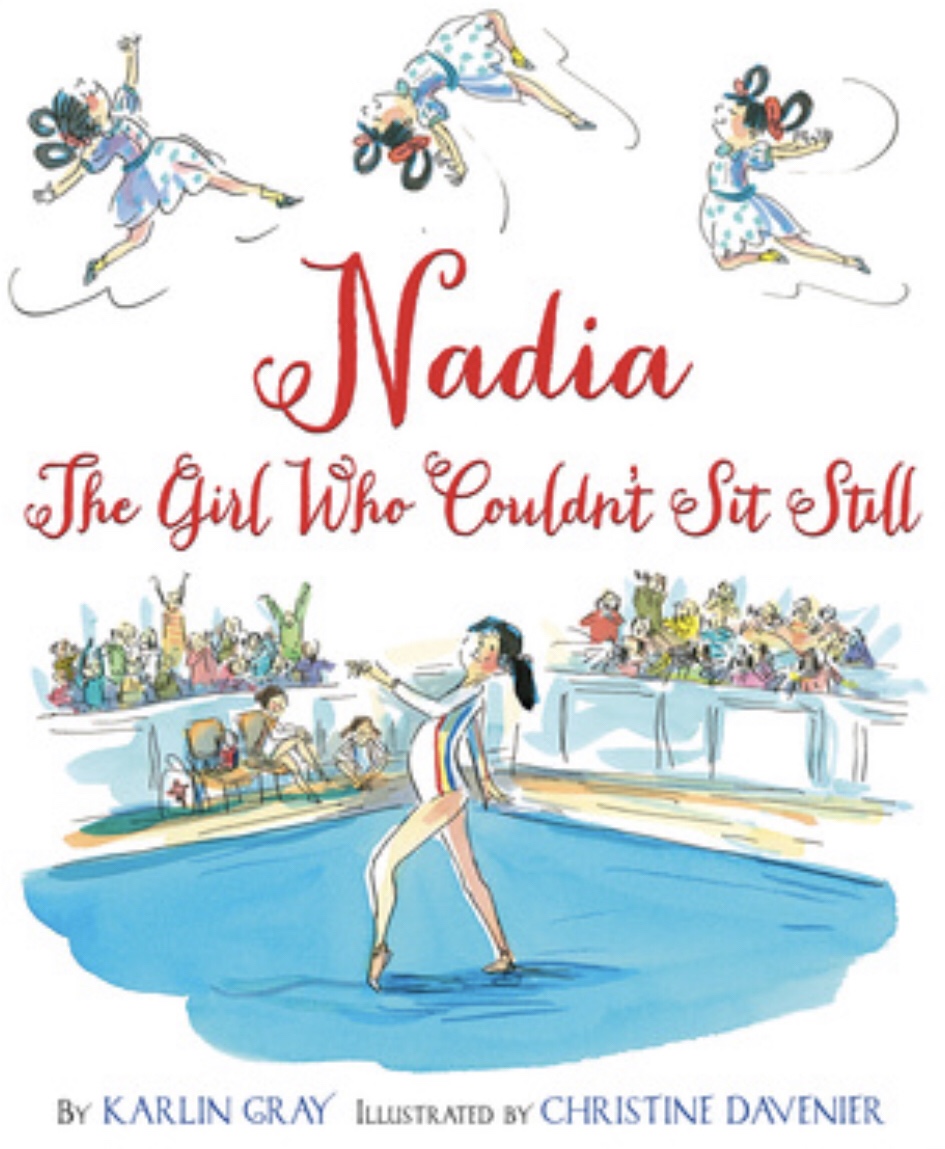
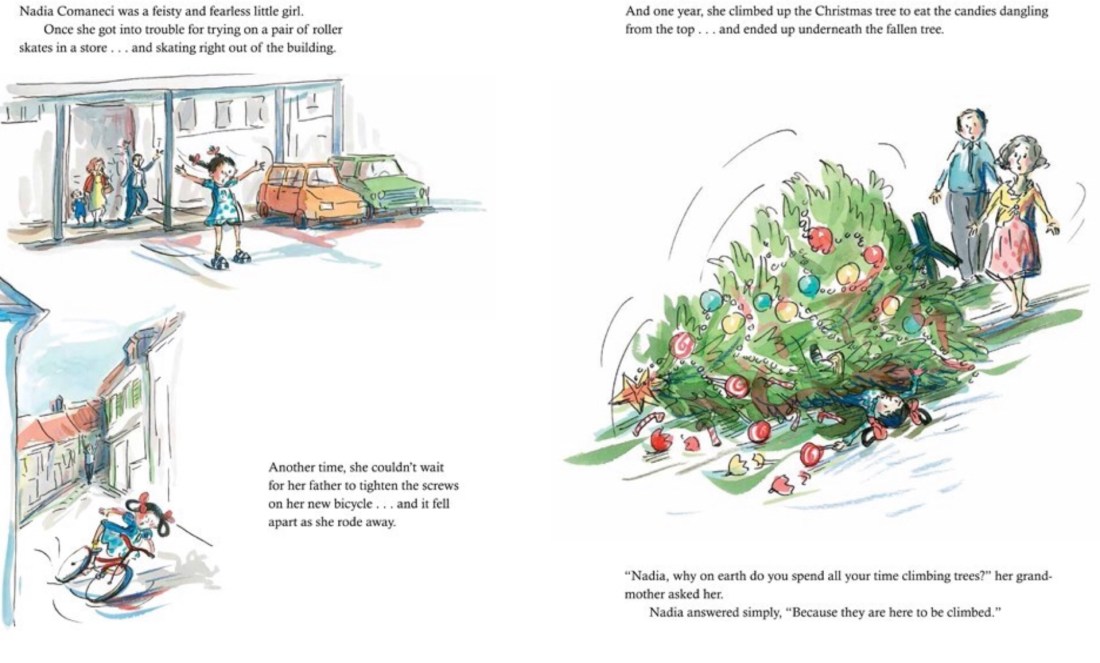
Nadia: The Girl Who Couldn’t Sit Still, by Karlin Gray and Illustrated by Christine Davenier

If you are a teacher, it is very likely you have a student in your class who like Nadia, struggles to sit still. I know that I do! This delightful picture book tells the story of Nadia Comaneci, a gymnast from Romania – the first gymnast to score a perfect 10, the little girl who found a way to use her energy in a positive way.

Showing my age, I can say I honestly remember watching the Olympics with my family gathered around the television set specifically to see Nadia Comaneci perform. And perform she did!! She was an amazing athlete, at such young age!!

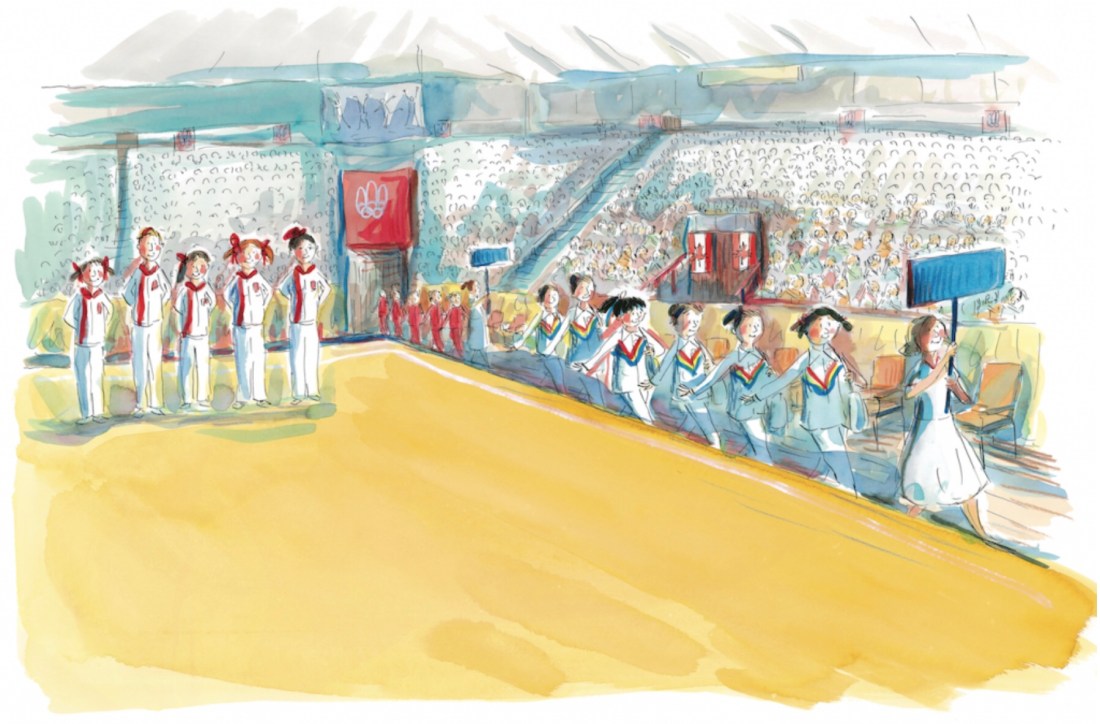
Author Karlin Gray and illustrator Christine Davenier retell Nadia’s story as a little girl fiercely determined to get up every time she fell. She practiced her gymnastic events until she perfected each skill. Nadia is introduced as a little girl who was impatient, impulsive, and constantly moving. Her mother enrolled her active daughter in gymnastics and the rest we can say, is history.

Students today many not know who Nadia Comaneci is, but they will most likely be able to relate to the little girl who couldn’t sit still. The fun illustrations and short passages make this a quick and easy read-aloud for an elementary classroom or small group. The opportunities to use this book as a part of a lesson are many! Teachers can use this book to talk about perseverance, self-control, determination, cause and effect, athletes, female athletes, historical events, annual events, geography, and many more I have not listed.

An interesting lesson that this book made me think of (also related to gymnastics) was when I was teaching 4th graders about the word vault. To my surprise, none of my 4th grade students knew what a vault was but they were doing an activity that expected them to recognize a bank vault and a gymnastics vault. Quickly I googled images to show my students the different kinds of vaults and came across videos of Simone Biles vaulting in competition. The students were entranced! (I thought is was pretty cool, too!)

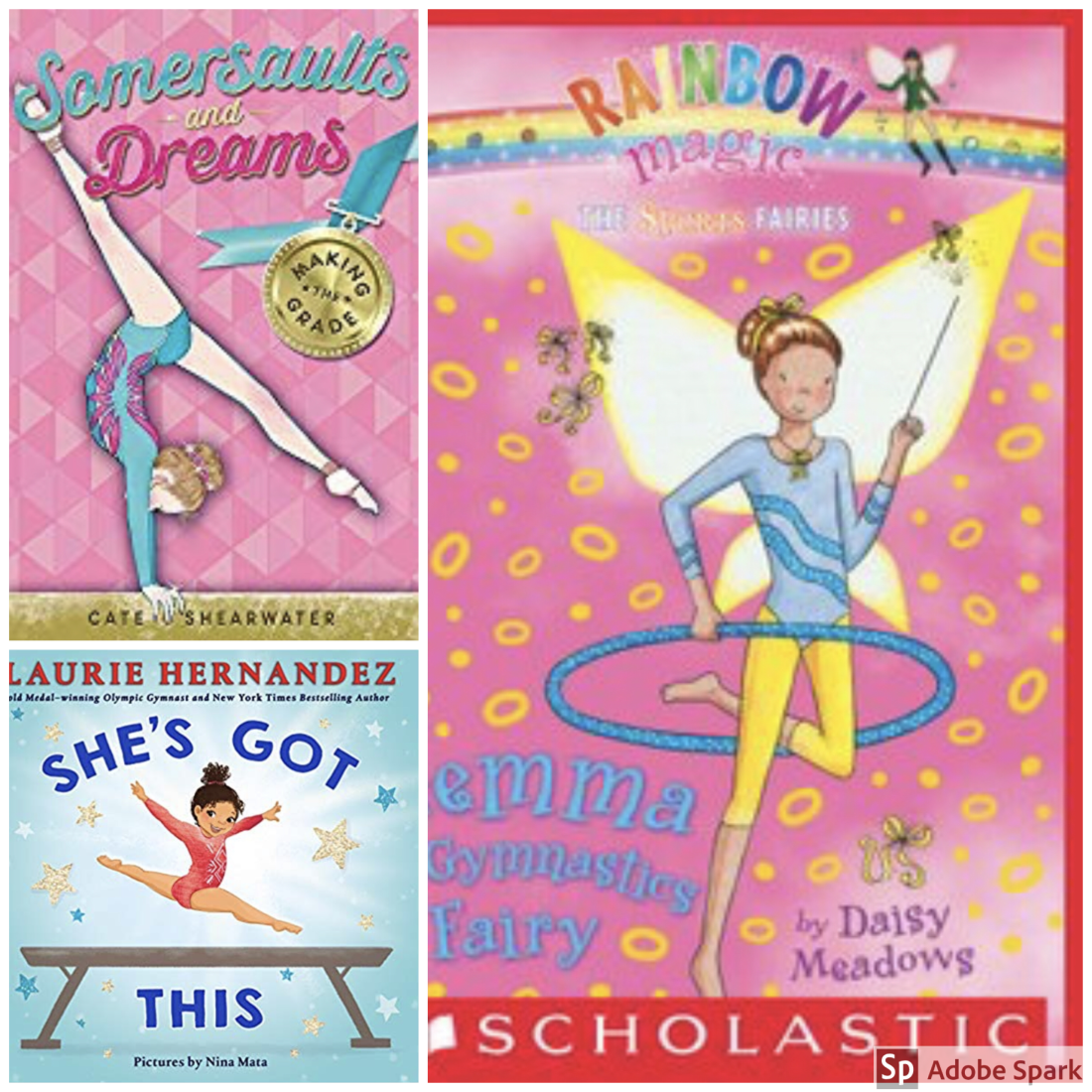
This book could also be an ice breaker to interest students in other books related to gymnasts or gymnastics. A quick search of gymnasts pulled up both fiction and non-fiction selections that would be suitable for the classroom. Students who are interested in reading more, or for the teacher wanting to add additional reading suggestions could use this as a chance to practice looking for a desired text or topic at the library. This would be a great way to develop research skills!

If you’re still looking for a hook, I highly recommend the videos of Nadia and Simone competing…they are AMAZING!!

Ideas for Classroom Incorporation of Nadia: The Girl Who Couldn’t Sit Still

  • ELA: biography, cause and effect, read aloud, picture book, theme, research
  • Social/Emotional: Growth mindset, perseverance, determination, self-control
  • HISTORY: geography, world history, Olympics, research