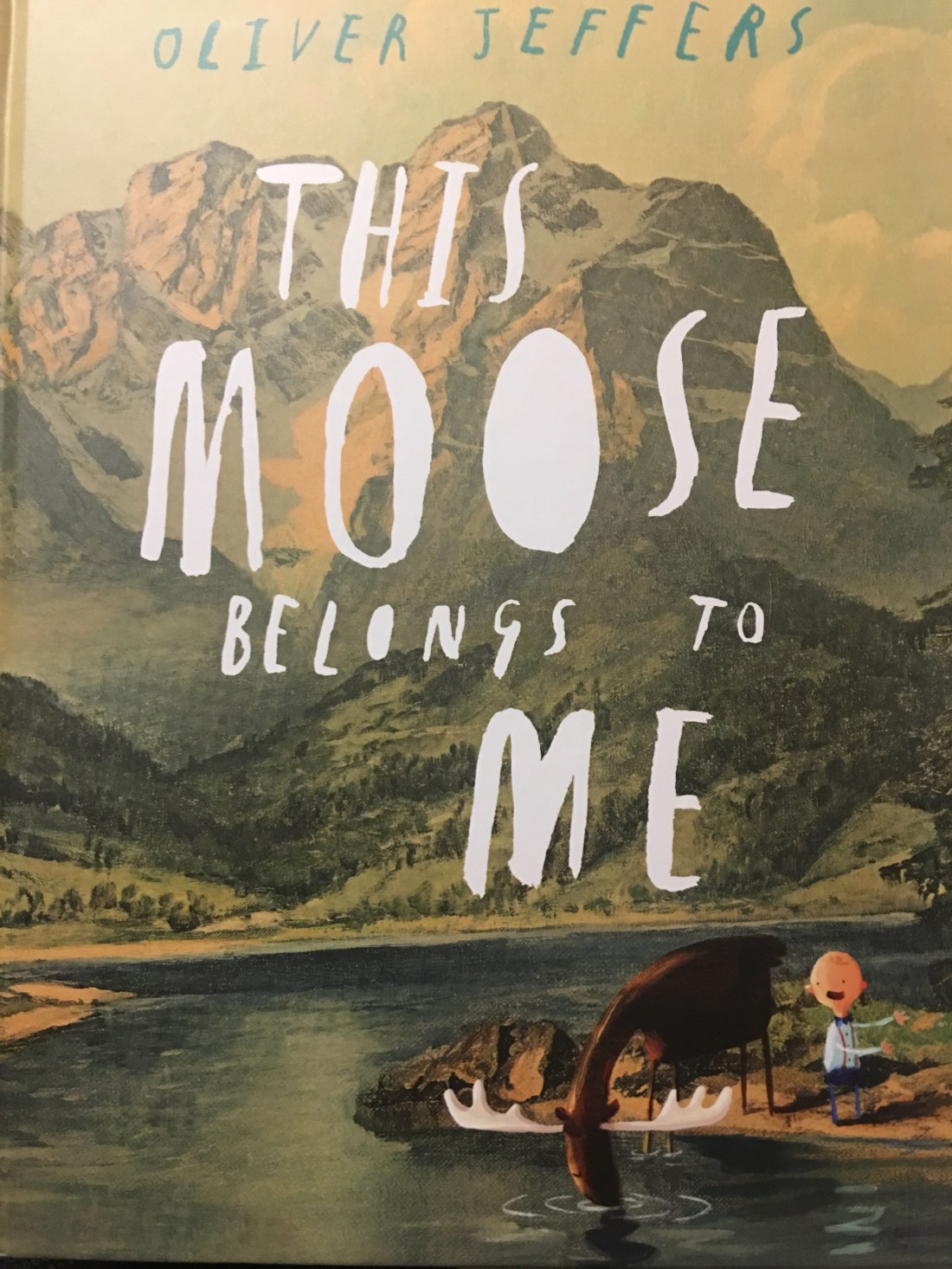
Did you ever have a pet as a child? In this children’s read-aloud, we meet Wilfred.
Wilfred is a small boy, who owns a very big moose.
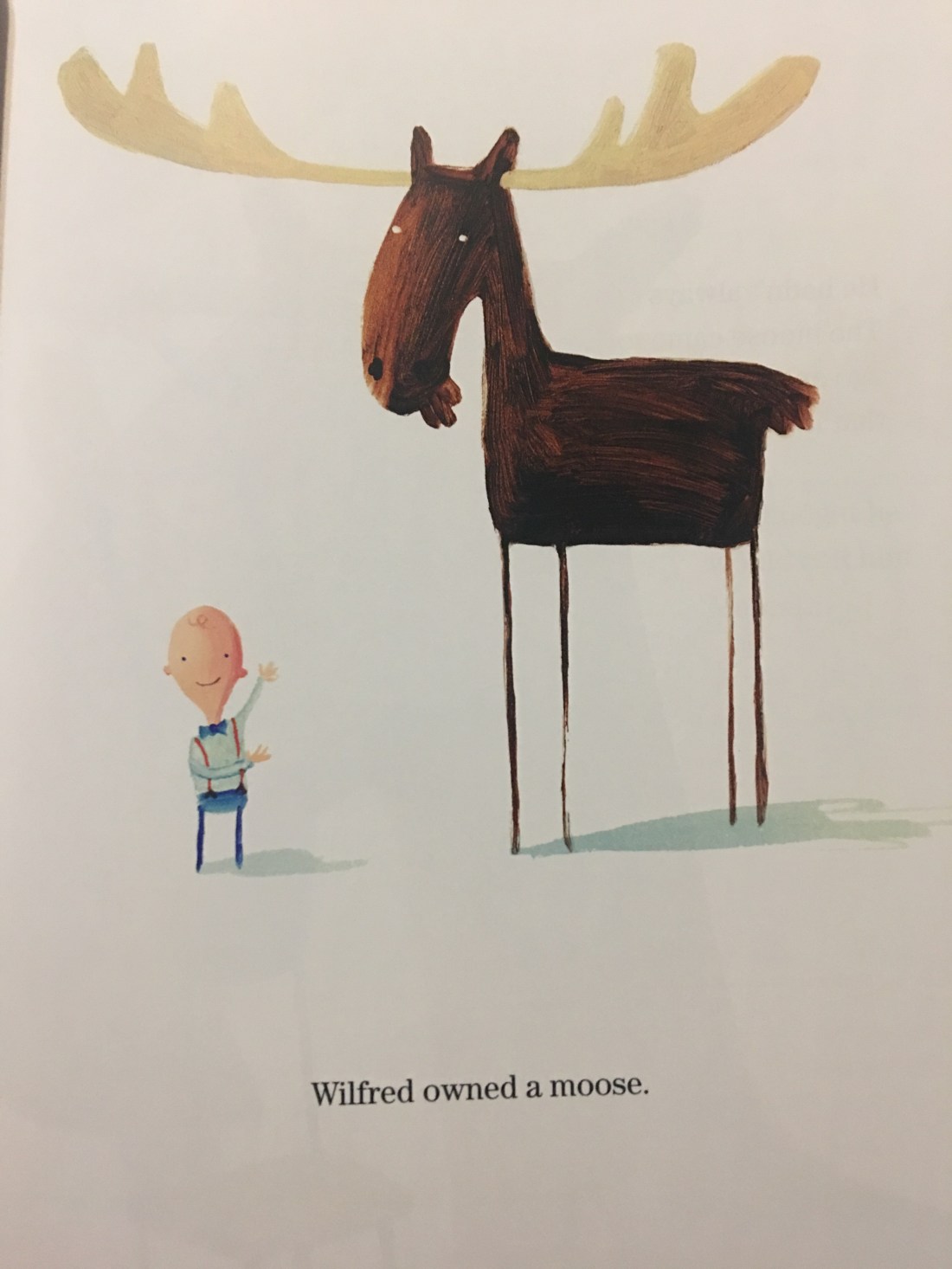
Or, does he?
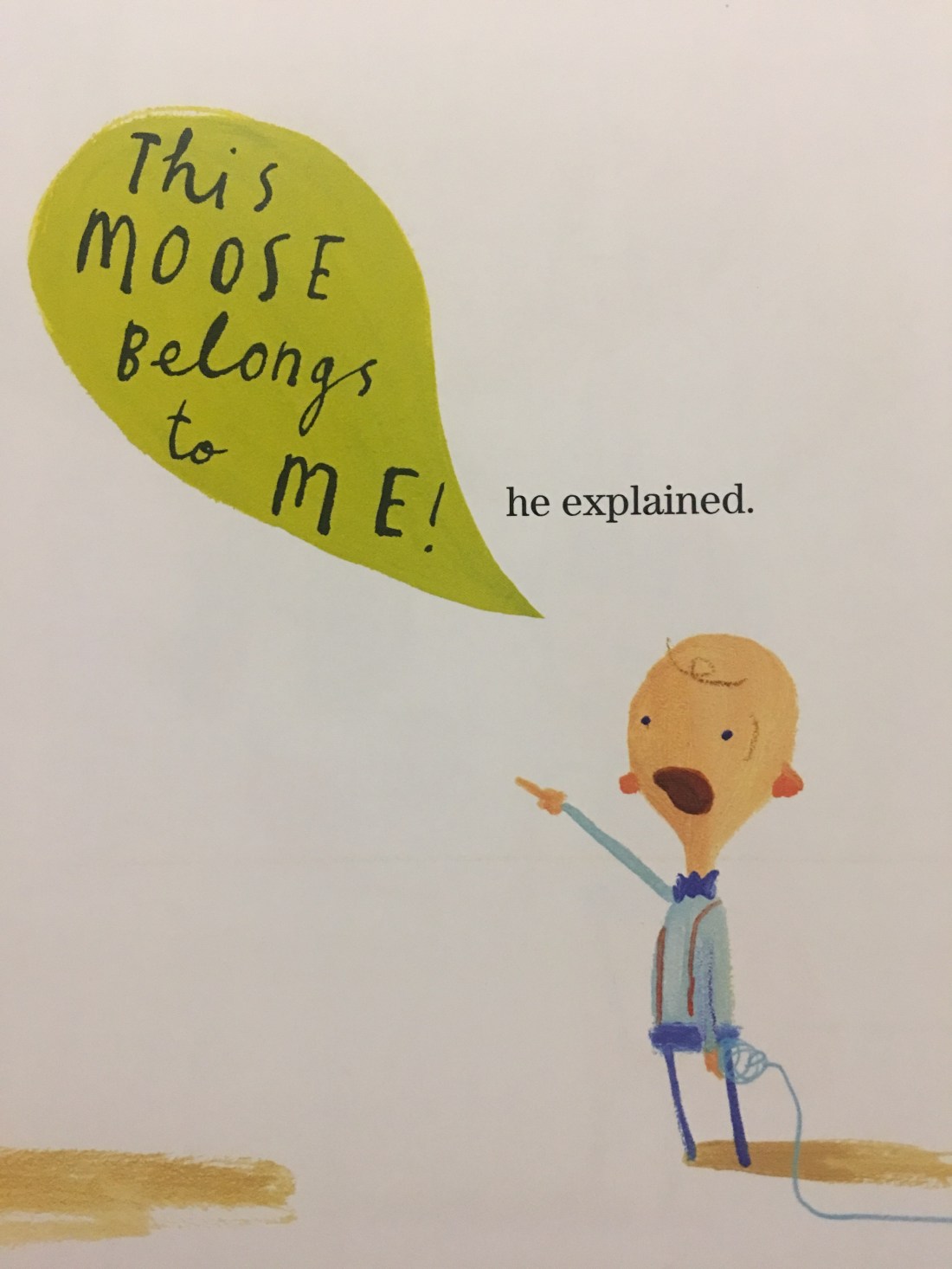
As the readers turn the pages, they discover that maybe Wilfred’s moose doesn’t belong to him as much as Wilfred thinks he does.
Wilfred names his moose. Wilfred has a list of rules he expects his moose to follow. Wilfred and his moose do all kinds of things together…until they come across someone else who seems to think Wilfred’s moose actually belongs to them!
This doesn’t go over well with Wilfred. He gets angry and embarrassed by his apparent misunderstanding of who the moose belongs too and takes off on his own.
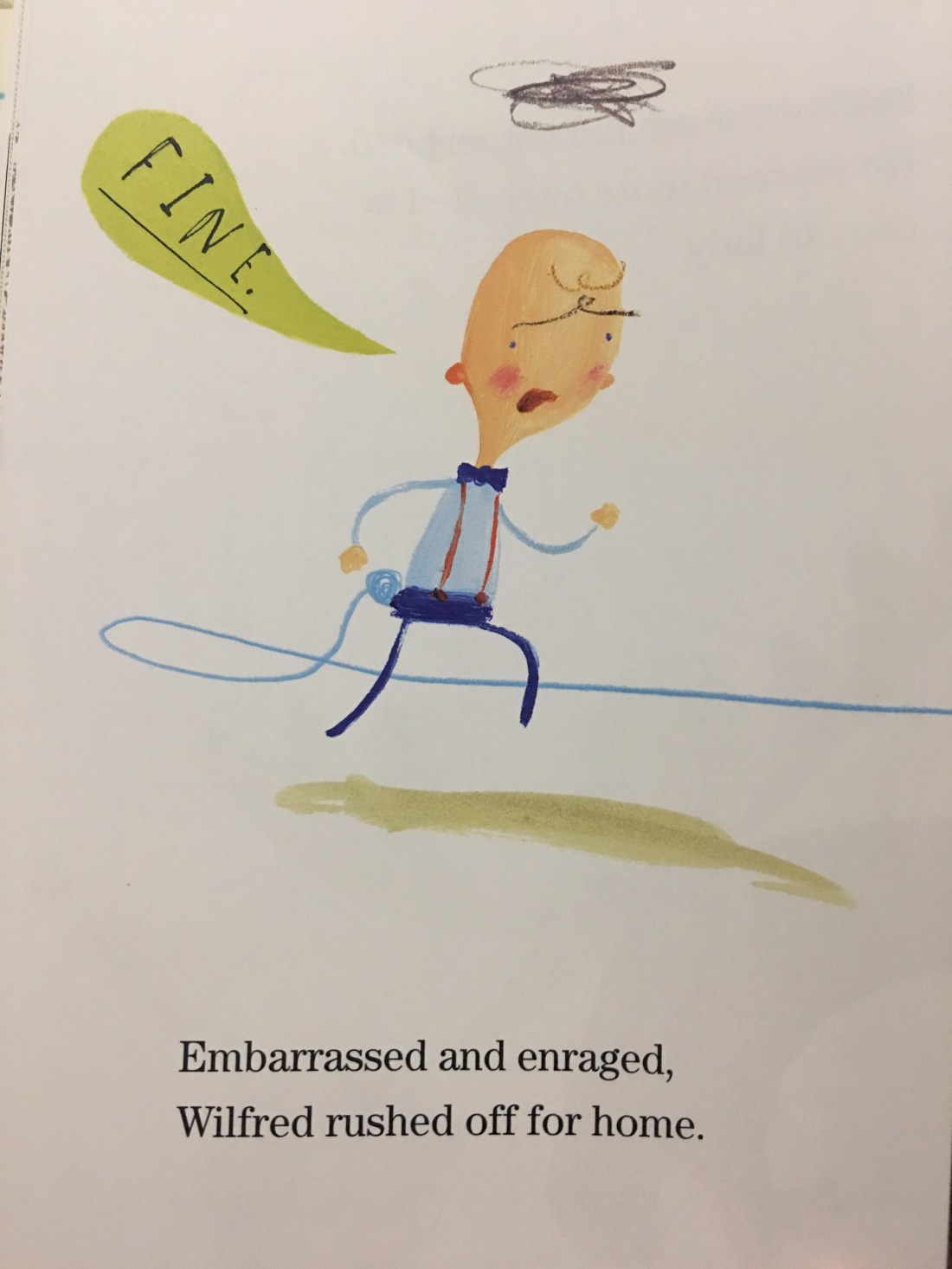
In the heat of the moment, Wilfred finds himself in quite a predicament. He is stuck with no one to help him.
Then much to his surprise, alongs comes HIS moose.
Thank goodness!
Once Wilfred was on his feet again, Wilfred and the moose came to an understanding about the terms of ownership.
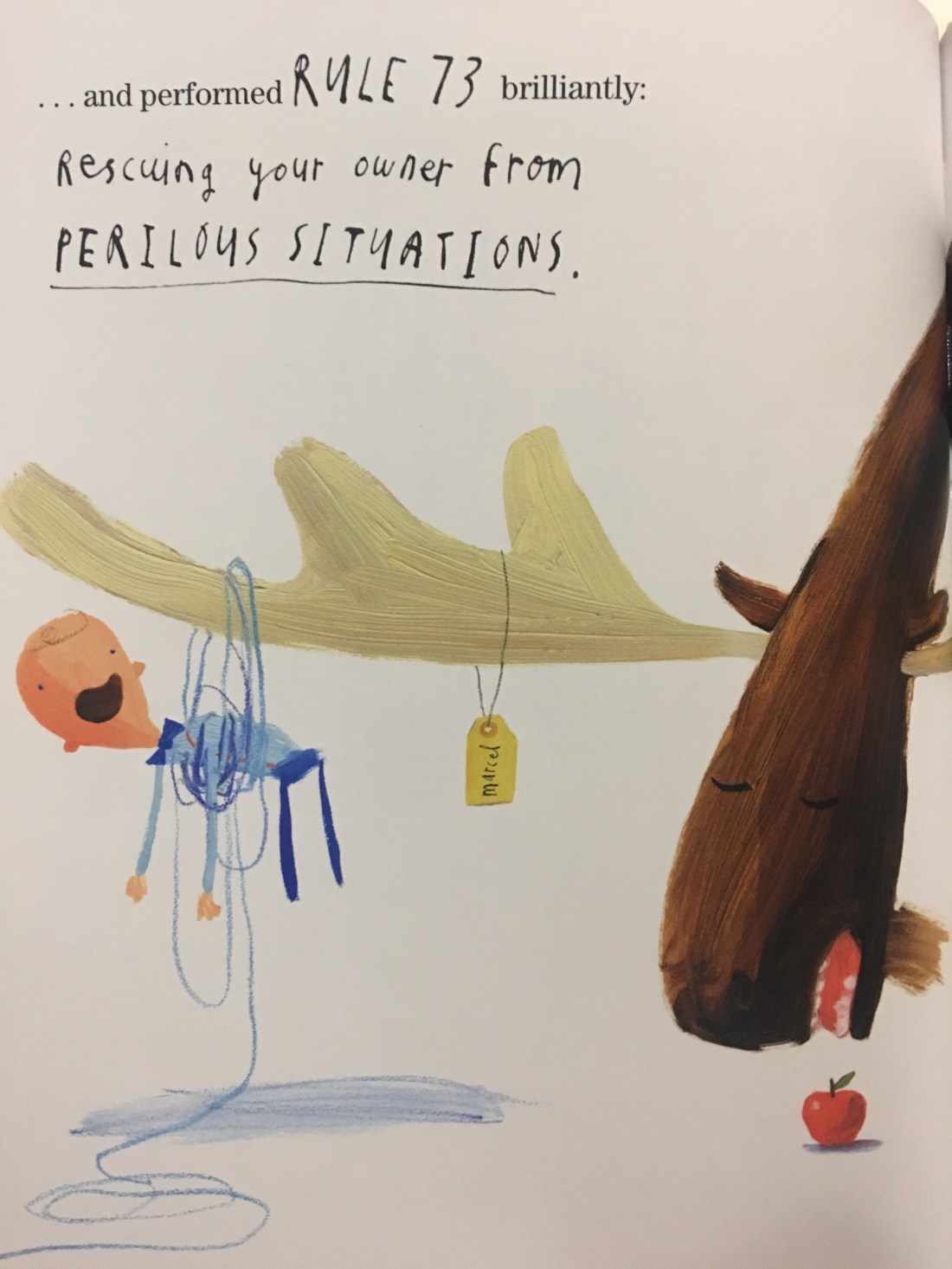
If you’ve ever had a pet, or thought you had a pet, you may relate to Wilfred and his ordeal with his moose. This funny book would be fun to read to primary students to see and hear their reactions to the boy who owned a moose. The potential discussions that could happen as students are asked what they think it is like to have a moose as a pet would be both interesting an enlightening. I mean, who doesn’t have a moose – right?
I would use this book in the classroom to preface a discussion about rules and boundaries. This story offers an opportunity to talk about what is realistic and what is not. While the author provides exaggerated scenarios between Wilfred and the moose, the students can imagine what kind of animal they would want to call their own. Using their imagination, students can choose an animal and write their own rules for what they expect their animal to do. What will they do if their animal doesn’t follow the rules? Students can be asked to think about where the animal will live and what it will eat. Will they name their animal? How will they pick a name? What would you name a moose, if it belonged to you? Did Wilfred do the right thing when he found out someone else claimed the moose belonged to them? What should he have done? What would you do?
Ideas for Classroom Incorporation of This Moose Belongs to Me:
- ELA: creative writing, brainstorming, descriptive language
- Social/Emotional: rules and personal boundaries, recognizing emotions, appropriate coping strategies
- SCIENCE: animal identification and characteristics, habitat
- RESEARCH: What do animals need to eat? Where do they live? Do they make good pets?
 Mrs. Kinnamore’s Bookshelf