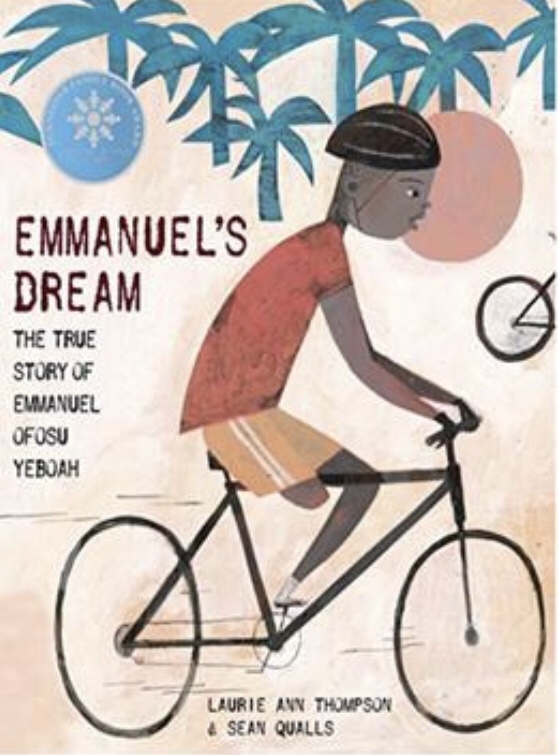
Emmanuel’s Dream: The True Story of Emmanuel Ofosu Yeboah, by Laurie Ann Thompson and Sean Qualls

“Be respectful, take care of your family, don’t ever beg. And don’t give up.” – Mama Comfort

Emmaunuel Ofosu Yeboah is a real person who was born missing part of his right leg. Where he was born in Ghana, children with disabilities were not allowed to attend school like normal children. Emmanuel’s mother, Mama Comfort, was not satisfied with that and insisted that her son would attend school. She carried him back and forth to school until he had grown too big for her to carry. At that point, Emmanuel was determined to keep going to school so he hopped to and from school every day on his one leg.
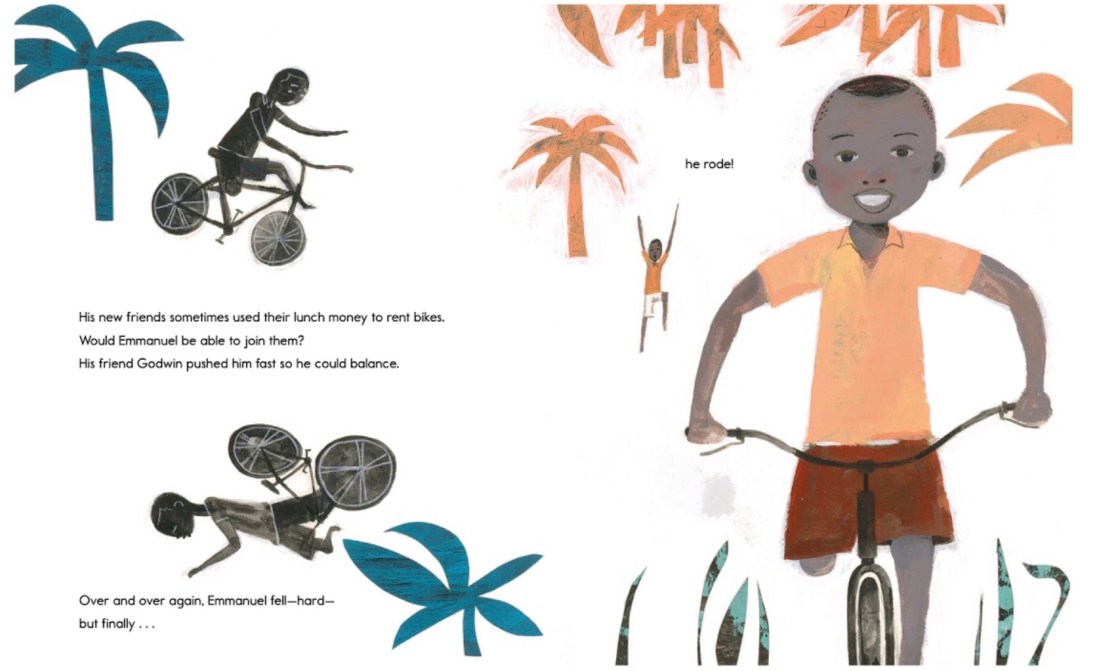
Emmanuel knew that he was different from the other children at his school, but he wanted to play with them and do the things that they were doing. He was very clever and extremely determined. Emmanuel found a way to play with his classmates and to learn to ride a bike peddling with just one leg.
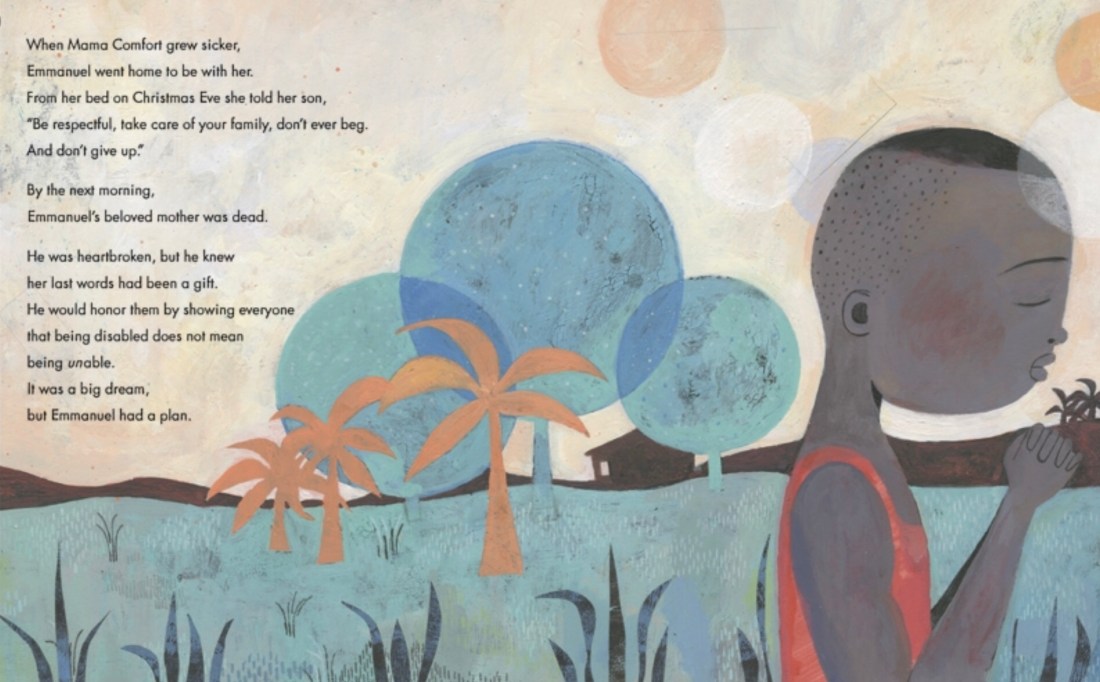
Emmanuel’s mother had great faith and was always encouraging her son to follow his dreams. Eventually the time came that Mama was too ill to care for Emmanuel and his siblings, so Emmanuel left to go to the city where he could work and earn money. Finding work was not easy as many people did not believe that Emmanuel was capable of working due to his disability. He was told by many people to go beg like other disabled people. This insulted Emmanuel who continued to follow his mother’s instructions to “Be respectful, take care of your family, don’t ever beg. And don’t give up.”

Emmanuel was gone from home for two years before he returned home before his mother died. His mother’s words and guidance continued to impact Emmanuel in every part of his life. Mama Comfort had told Emmanuel to follow his dreams, that his disability did not mean inability. He took her words to heart and went on to share his ability to persevere despite other people’s expectations of what he could not do. Emmanuel continued to advocate for his own rights as a disabled person, as well as the rights of other people with disabilities.
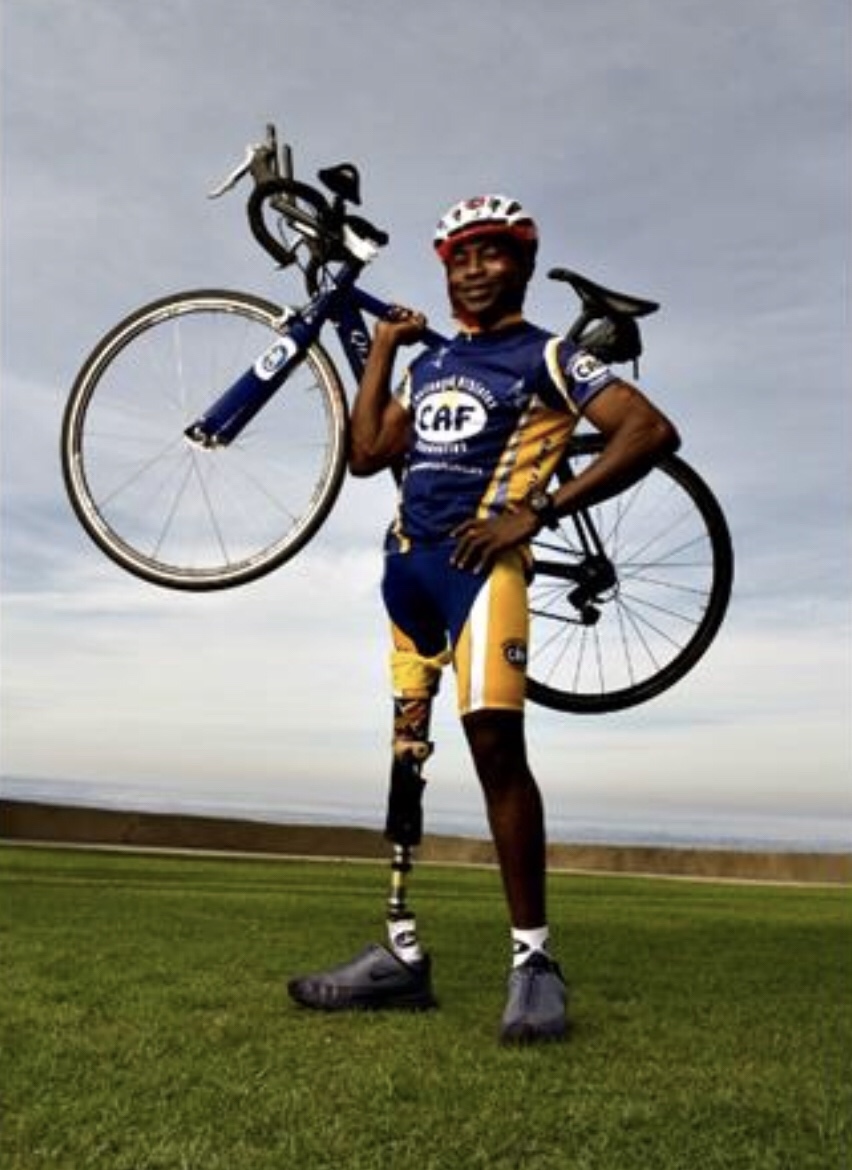
Emmanuel has been recognized for his continued work on behalf of others with disabilities. This story tells of his childhood and how to set out on the path to advocate for others. Children and adults will be inspired to learn about Emmanuel and how he followed his mother’s instructions and followed his dreams while helping others as he followed his dreams. This is a remarkable (and true) story about a young man who is a living breathing example that disability does not mean inability.

This book would make a great addition to the elementary classroom. Based on a real person with a physical disability who not only overcame that disability, but went on to do great things setting an example for people with and without disabilities this story teaches readers that where there is a will there is a way. Classrooms are made of diverse learners, and students of all different abilities make up today’s classroom. Students will be able to use this book to learn about a real person with a physical disability and how he worked to be recognized as person who should be treated as a person who is capable instead of a disabled person who should not go to school or work or do things like every one else.

Below is a video of Emmanuel, telling his story.

https://youtu.be/BHUDh82sZYs

Ideas for Classroom Incorporation of Emmanuel’s Dream: The True Story of Emmanuel Ofosu Yeboah:

  • ELA: multicultural literature, literature based on real people, connections to diversity, what is your dream and how will you make it a reality, sequence of events
  • GEOGRAPHY: locate Ghana on a world map, identify the distance between Ghana and the United States, identify key facts about Ghana and the United States to compare and contrast
  • SOCIAL/EMOTIONAL: identify what it means to have a physical disability, discuss the difference between disability and limitation, create a visual representation of how Emmanuel’s story can teach all people to follow their dreams
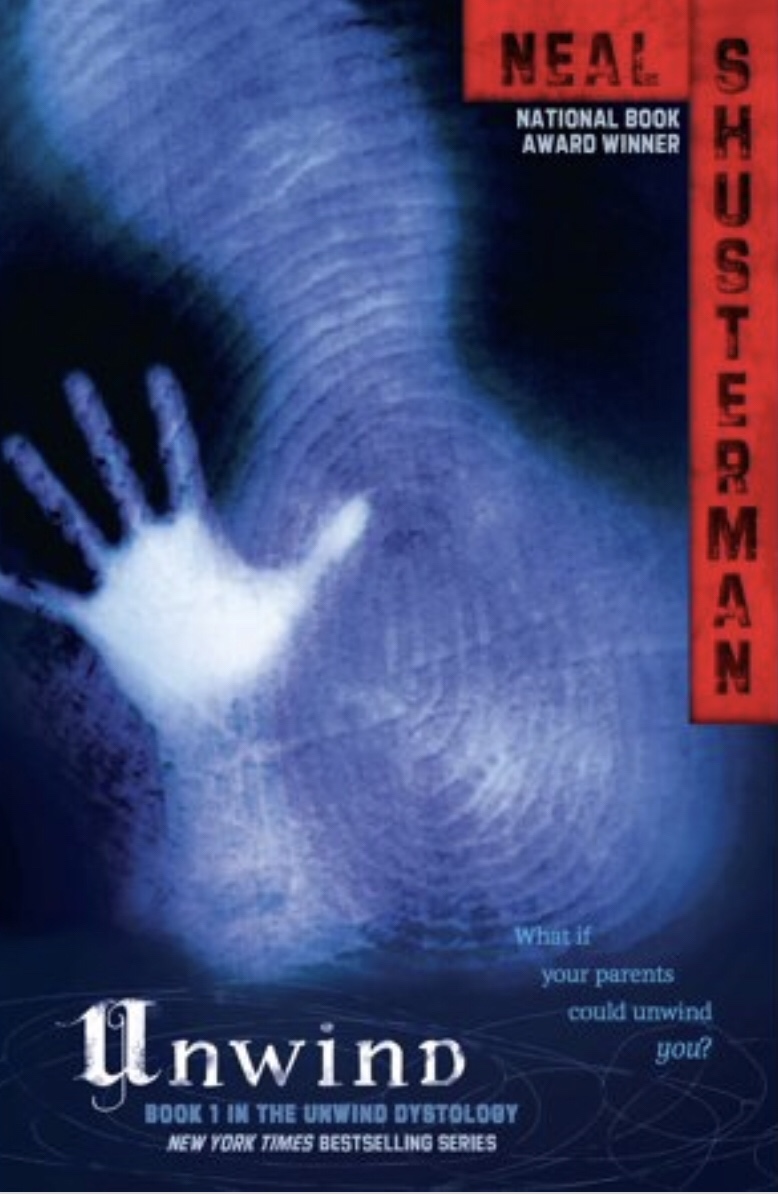
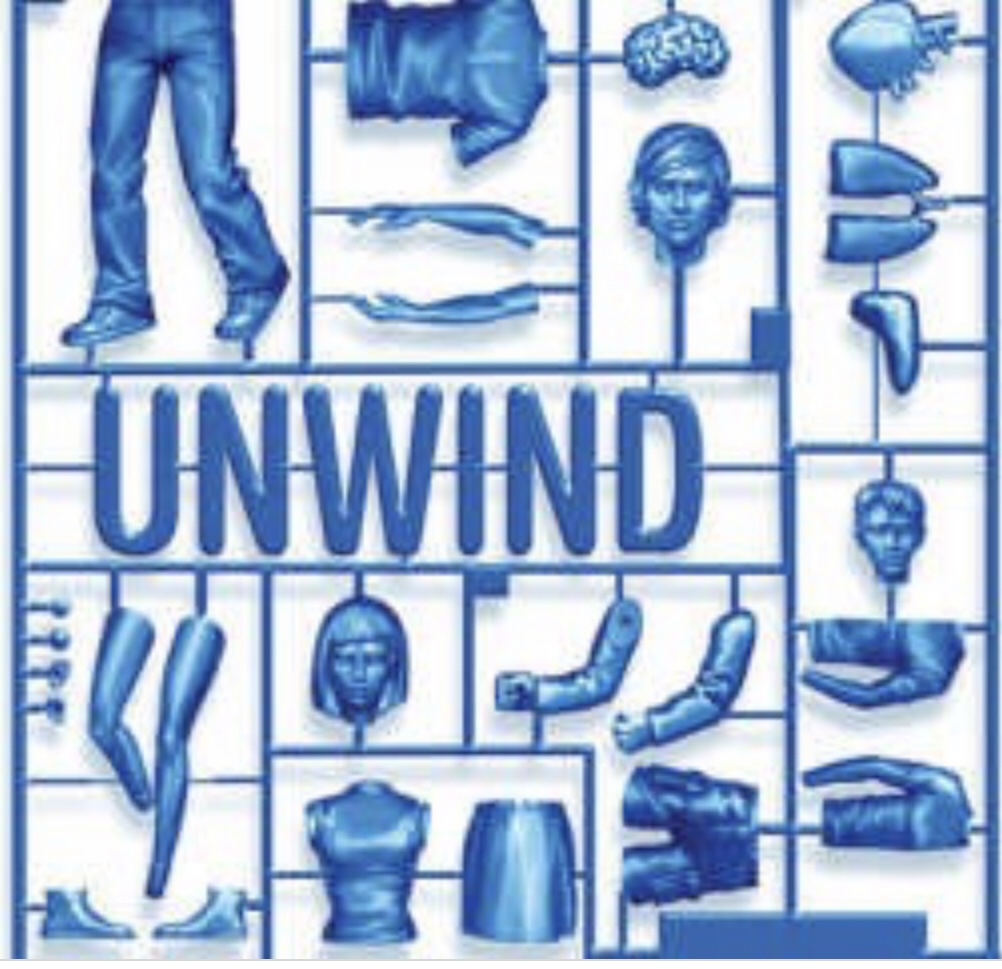
Unwind, by Neal Shusterman

What are the potential possibilities when the concept of harvesting divided bodies for their parts becomes part of the lawful state? Who is safe? Is it possible to be an Unwind and still continue to live? Who decided this plan was a good idea? And why doesn’t anyone make it stop?

In this young adult novel, Neal Shusterman takes the reader down a dark and disturbing road to a time when teenagers are marked to be unwound. To have their organs harvested for the benefit of those more desirable than the terribles who will be taken apart piece by piece. What about the Unwinds who are thrust into harvest because of family beliefs that it is the responsible thing to do? These teenagers who are donated, or tithes as they are called, are groomed to believe that their lives have a higher calling because they were fulfilling their destiny to help their fellow man by donating their healthy body parts to those who would transplant or graph them to a person in need.

In this dystopian society, the practice of unwinding is completely normal and everyone has a role to play. You are either an Unwind, or you are someone who remains eligible to receive organs or other body parts because you have positively contributed to society and your community. As an Unwind, you will not benefit from the removal and transplant of your parts – but the law promises that you will be left alive. Harvesting body parts and organs is not intended to kill a person, it is just intended to extend or improve the life of others.

As a teacher, this book presents so many different conversation starters for the classroom. The connection to current events, ethics, morality, justice, fairness, human rights, symbolism, characterization, tone, and perspective are just a handful of ideas that come to mind after reading this book. There are main characters, who each present a different journey to being an Unwind. A girl and two boys who readers follow throughout the story as they encounter many more secondary characters who directly shape and potentially shift how the reader feels about each character. There are characters for readers to love, and some to hate. Each one bringing additional depth to this book that has chilling references to current events and places that the readers will recognize as real in our everyday world.

Being an elementary school teacher, this book is outside of what I would normally select for classroom use for my students. I cannot deny that I believe some of my previous students would be interested in this book for the shock and chaos elements that make up so much of the complex storyline. I would recommend this book for upper middle school, or high school students based on maturity and exposure to complex concepts – their developmentally appropriate ability to separate fact and fiction.

Personally, I am still not sure I can say whole heartedly that I liked this book. But – I am definitely intrigued about what happens next. This book is the first in a series by Neal Shusterman and it was a book that once I began reading I wanted to stop but couldn’t stop because I was compelled to know what happened next. I have talked about this book to everyone I spoke to this week. Like it or not, it absolutely held my attention and made me think!

Ideas for Classroom Incorporation of Unwind, by Neal Shusterman

  • ELA: have students write their own Bill of Life, write an argument for or against unwinding, debate unwinding, create character webs identifying internal and external traits for 1 main and 1 secondary character, create a trailer for the prequel of Unwind that explains how and why unwinding came to be
  • SCIENCE: (biology) anatomy
  • ECONOMICS: budgeting, how to financially support yourself – your family – an underground community in the dystopian state, establish financial rules for different elements of society

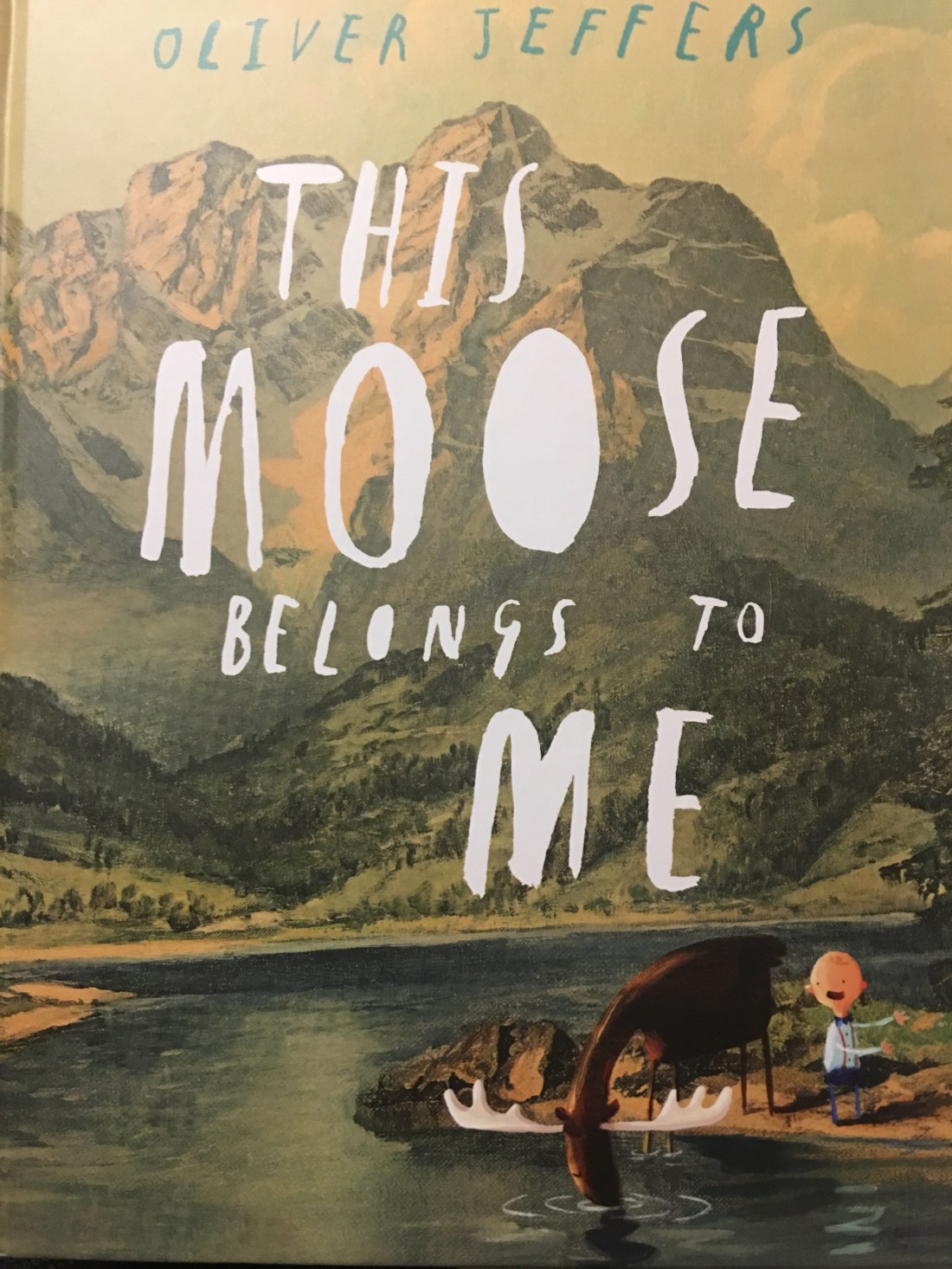
This Moose Belongs to Me, by Oliver Jeffers

Did you ever have a pet as a child? In this children’s read-aloud, we meet Wilfred.

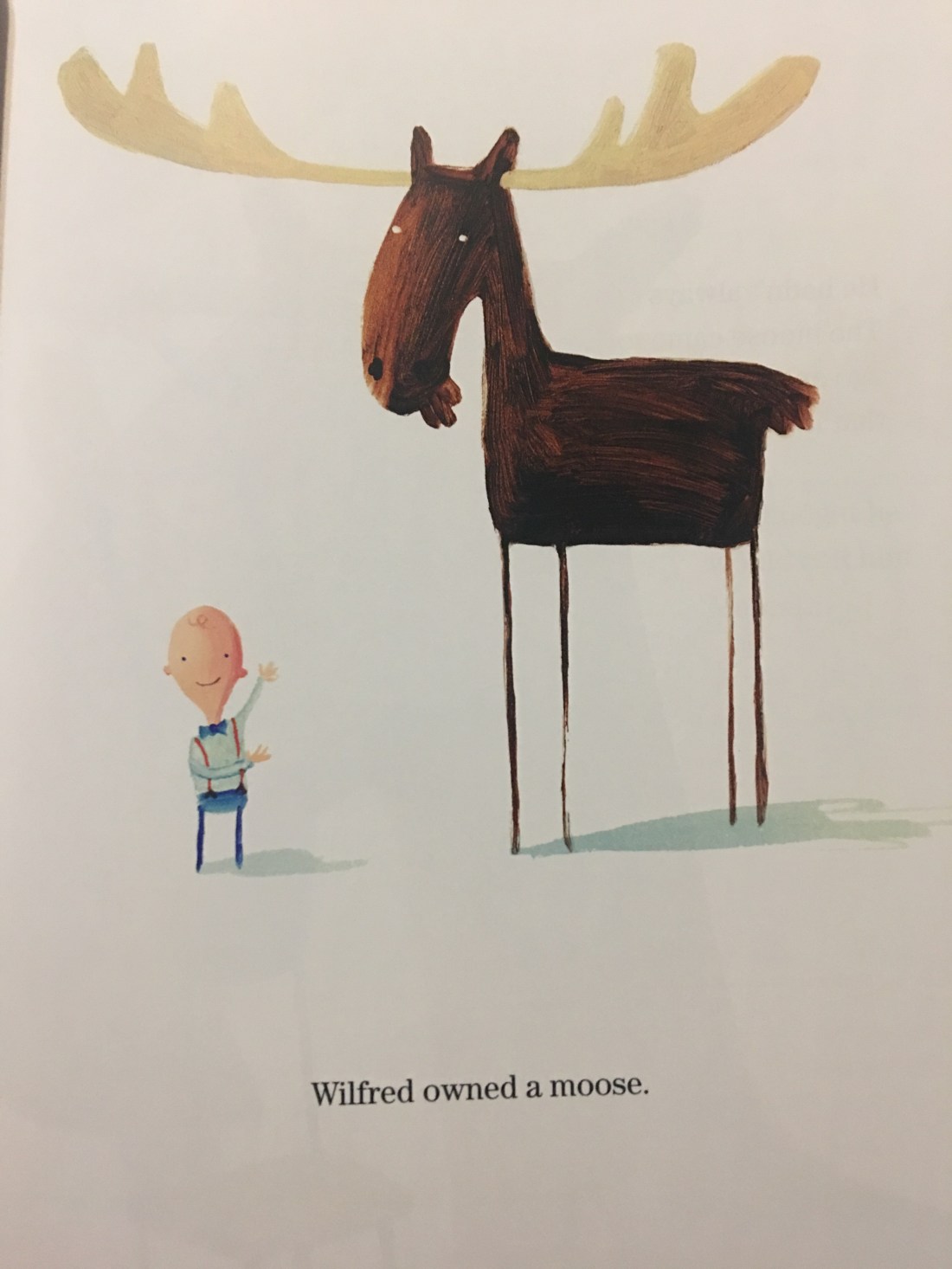
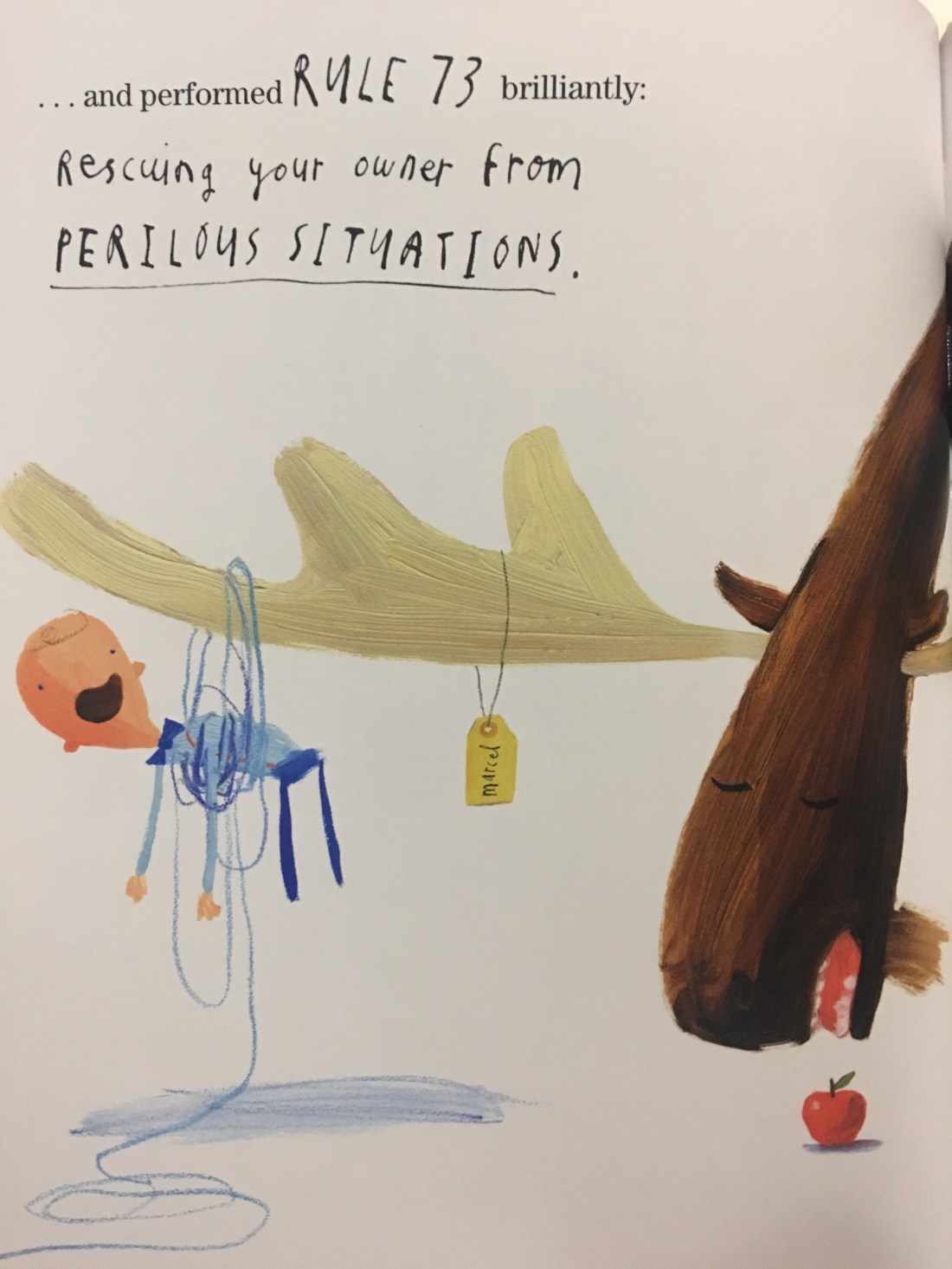
Wilfred is a small boy, who owns a very big moose.

Or, does he?

As the readers turn the pages, they discover that maybe Wilfred’s moose doesn’t belong to him as much as Wilfred thinks he does.

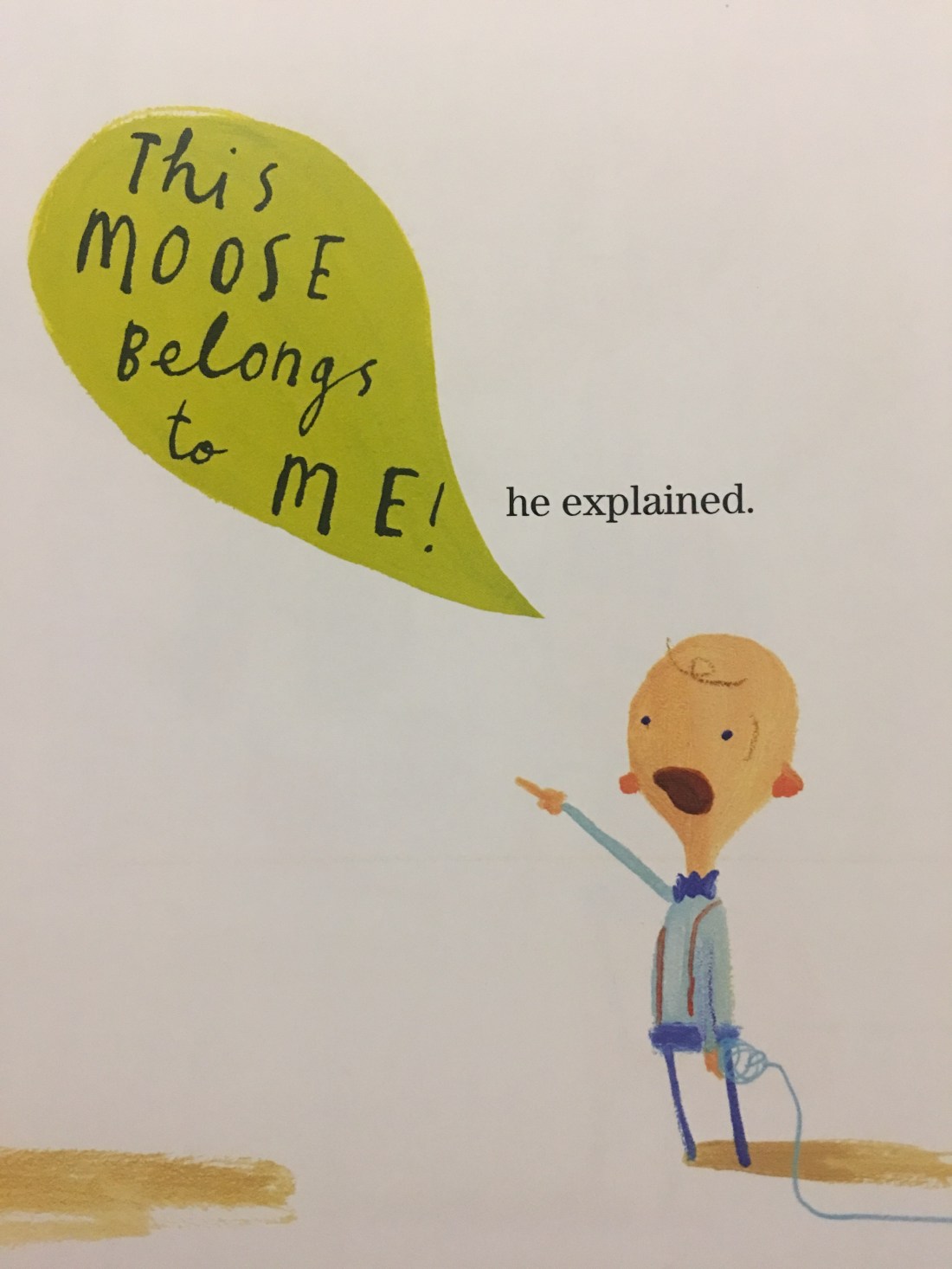
Wilfred names his moose. Wilfred has a list of rules he expects his moose to follow. Wilfred and his moose do all kinds of things together…until they come across someone else who seems to think Wilfred’s moose actually belongs to them!

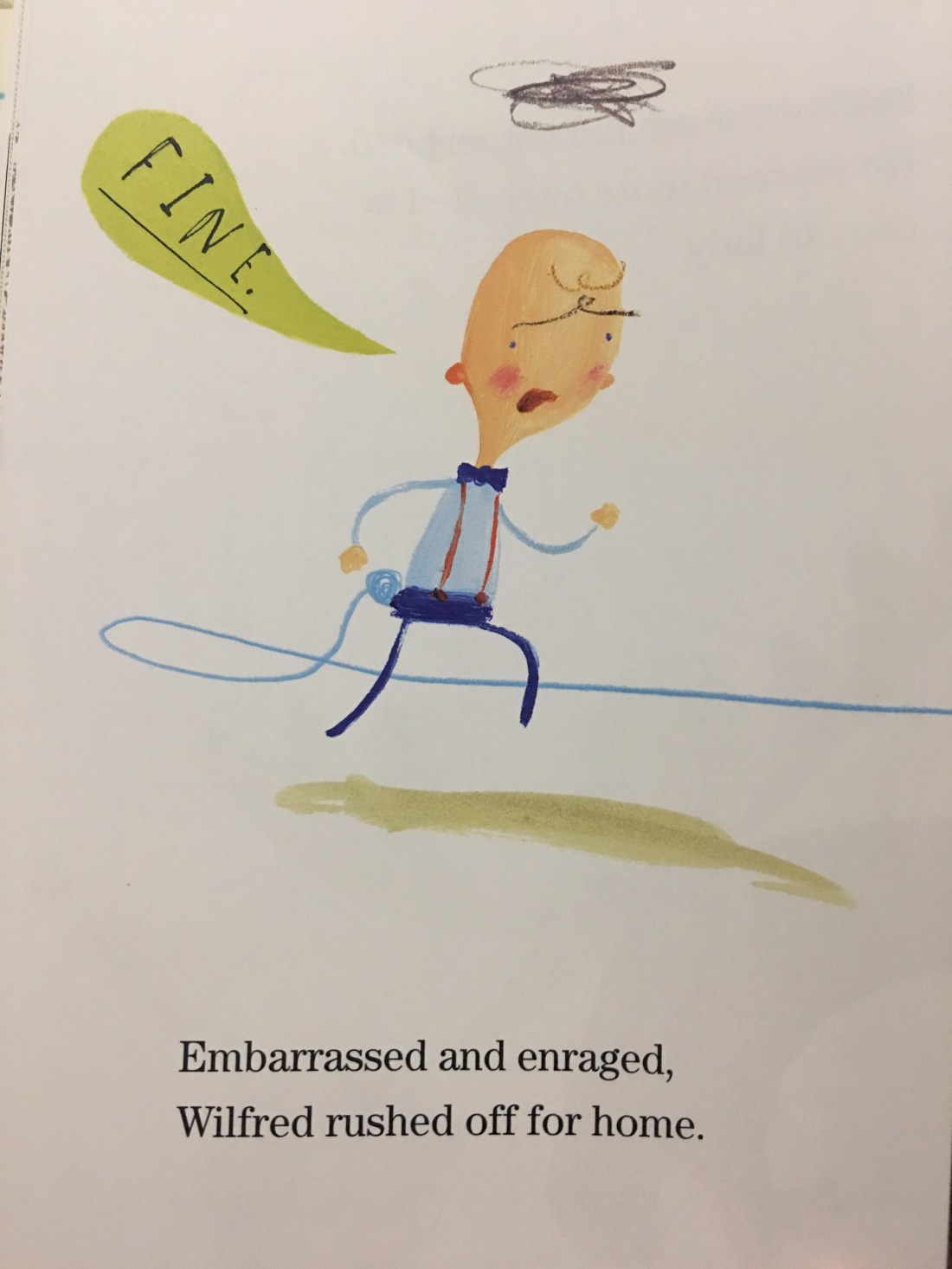
This doesn’t go over well with Wilfred. He gets angry and embarrassed by his apparent misunderstanding of who the moose belongs too and takes off on his own.

In the heat of the moment, Wilfred finds himself in quite a predicament. He is stuck with no one to help him.

Then much to his surprise, alongs comes HIS moose.

Thank goodness!

Once Wilfred was on his feet again, Wilfred and the moose came to an understanding about the terms of ownership.

If you’ve ever had a pet, or thought you had a pet, you may relate to Wilfred and his ordeal with his moose. This funny book would be fun to read to primary students to see and hear their reactions to the boy who owned a moose. The potential discussions that could happen as students are asked what they think it is like to have a moose as a pet would be both interesting an enlightening. I mean, who doesn’t have a moose – right?

I would use this book in the classroom to preface a discussion about rules and boundaries. This story offers an opportunity to talk about what is realistic and what is not. While the author provides exaggerated scenarios between Wilfred and the moose, the students can imagine what kind of animal they would want to call their own. Using their imagination, students can choose an animal and write their own rules for what they expect their animal to do. What will they do if their animal doesn’t follow the rules? Students can be asked to think about where the animal will live and what it will eat. Will they name their animal? How will they pick a name? What would you name a moose, if it belonged to you? Did Wilfred do the right thing when he found out someone else claimed the moose belonged to them? What should he have done? What would you do?

Ideas for Classroom Incorporation of This Moose Belongs to Me:

  • ELA: creative writing, brainstorming, descriptive language
  • Social/Emotional: rules and personal boundaries, recognizing emotions, appropriate coping strategies
  • SCIENCE: animal identification and characteristics, habitat
  • RESEARCH: What do animals need to eat? Where do they live? Do they make good pets?

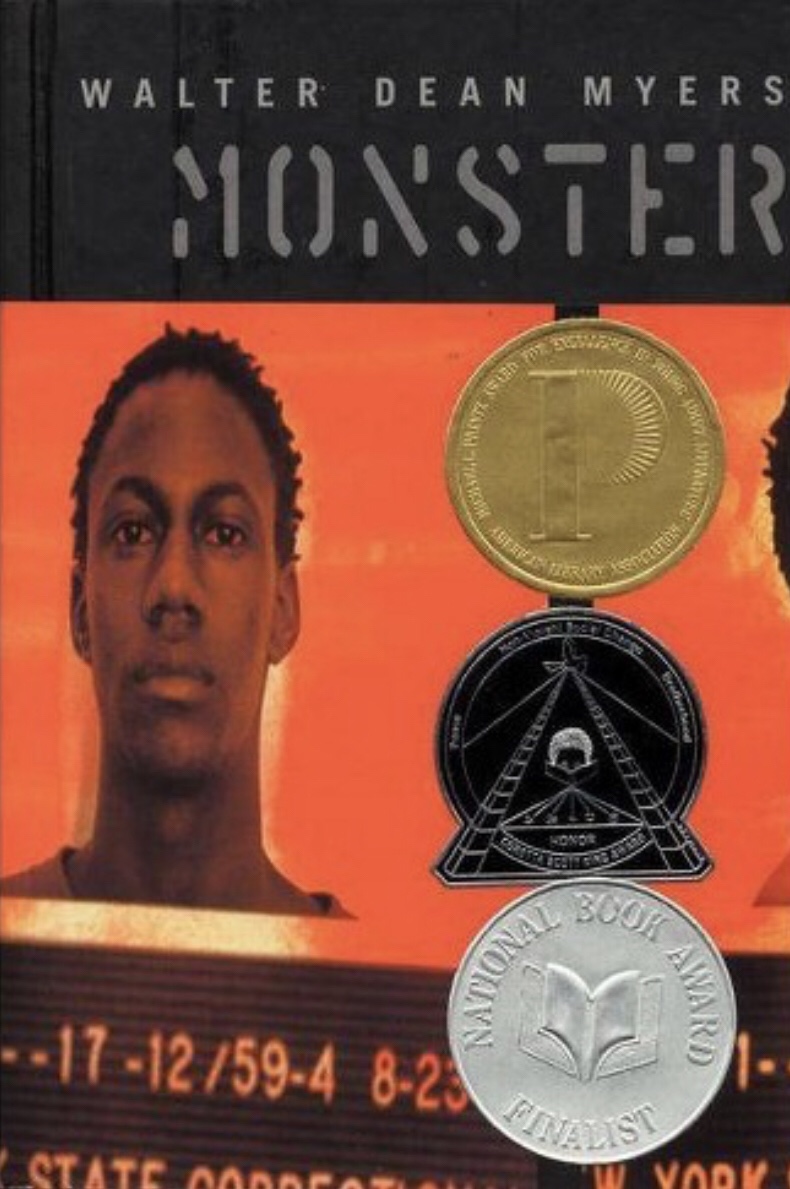
Monster, by Walter Dean Myers

A murder trial, a sixteen year old, and a label from the prosecuting attorney that seems inescapable. She called him a Monster. Her job is to convince a jury that he is responsible for the actions that occurred leaving a drug store owner dead. Did he pull the trigger? No. But he is accused of participating in criminal activity that resulted in the death of a man. That makes him the worst of the worst, right? That is what makes him a Monster.

This book by Walter Dean Myers introduces the reader to Steven Harmon, a sixteen year old high school student on trial for murder. Steven is the one telling the story and the memories that replay in his mind as the trial unfolds. As an aspiring film-maker, Steven uses the dire circumstances he is in to write his perspective as the defendant in the murder trial. Although he is still a high school student, his personal associations and poor choices led him to an adult arena facing legal consequences that he never imagined possible.

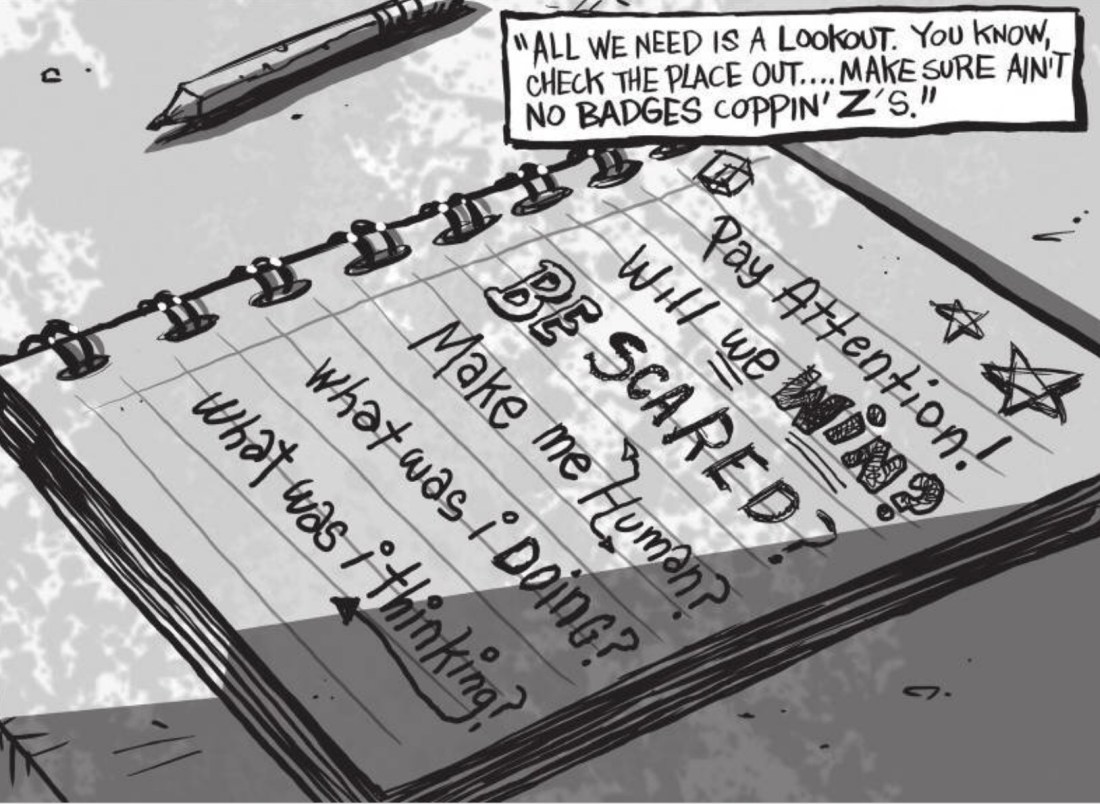
Throughout this book, Steven Harmon records the events he is living out in a notebook that is the first draft of sorts of what might be a film version of the events that led him to and through the murder trial. His inner monologue explores what he perceives the people around him are thinking as he records their actions and reactions to him and his current situation. From his defense attorney to the witnesses in his case, from the co-defendant to the judge and jury members – Steven records what each character is saying and how they react as though he is directing a film about someone else’s life. But it is not someone else’s life.

It is his own life.

It is his own trial.

It is him who is being called a Monster by the prosecuting attorney, and it is him who must rely on the judgement of the jury members to determine whether or not they believe he is guilty of murder or set him free.

Whatever the outcome, his life will never be the same.

What’s done cannot be undone.

What happens now? Where will he go from here?

At sixteen years old he is not even old enough to be a visitor to the prison where he now waits on trial. The irony of the seriousness of his situation is unbelievable to him at times, and yet it is happening and must play out in a court of law.

This thought provoking book cuts straight to the point of a very serious and life-changing event that changes not one, but several lives in the blink of an eye. This book would be best suited upper middle school or high school students who are close to the same age as the main character. While this story is not based on a specific true story, the author did research by visiting with prisoners and asking them to tell him their story. No one plans to be in jail at sixteen years of age. No one plans to be on trial for murder at sixteen, either. But in our current society, these types of situations and circumstances do happen all too often. Young people act without thinking, and live with a belief that nothing bad will ever happen to them. This story is written in a way that can open the discussion about making good choices, and being responsible for the consequences of personal actions.

While I believe there are many possible uses for this book in the classroom setting, I believe that I would choose to use this book to teach point of view, vocabulary, making predictions, and symbolism. I believe the reader will be hooked on the storyline and will be kept interested in the story by the characters who each play a role in how Steven views what is happening to him throughout the trial. Readers will want to continue reading to find out for themselves whether or not the jury returns a guilty verdict. Will he face the next 25 years or more as an inmate? Or will the jury find him not guilty so he can return to his life as a want to be film maker? Is it possible for him to return to his life the way it as before the drugstore owner was murdered? What happens next? The author provides just enough information to answer the big questions, but leaves lots of space to think about how things have the potential to wind up so much differently.

Ideas for Classroom Incorporation of Monster:

  • ELA: making predictions, finding text references, vocabulary, character perspective, point of view, symbolism
  • Social/Emotional: making good choices, associations, consequences, labels
  • HISTORY: judiciary process, legal responsibility, due process

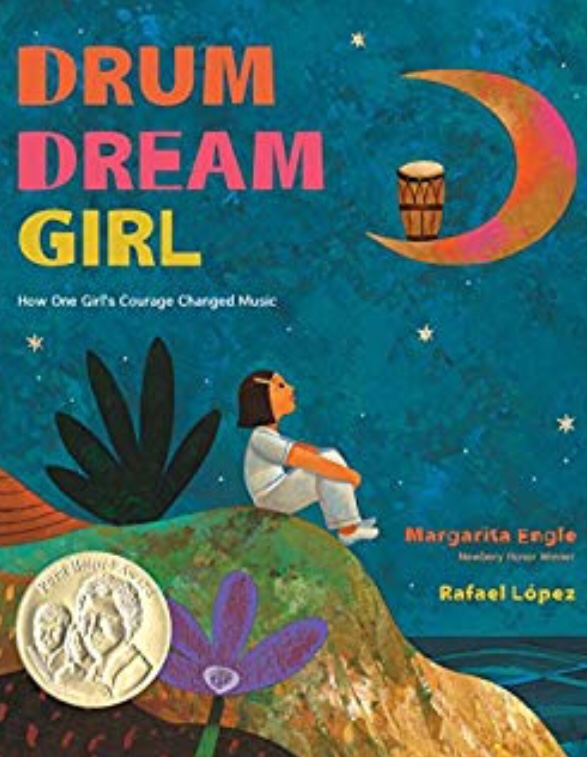
The Drum Dream Girl, by Margarita Engle and illustrated by Rafael Lopez

What does it mean to be brave? How do you define courage? What would you do if you were told you could not use your talent because you are a girl? (Or a boy?) In this beautifully illustrated picture book, author Margarita Engle shares the story of the Drum Dream Girl who is brave enough to follow her dreams of playing the drums.

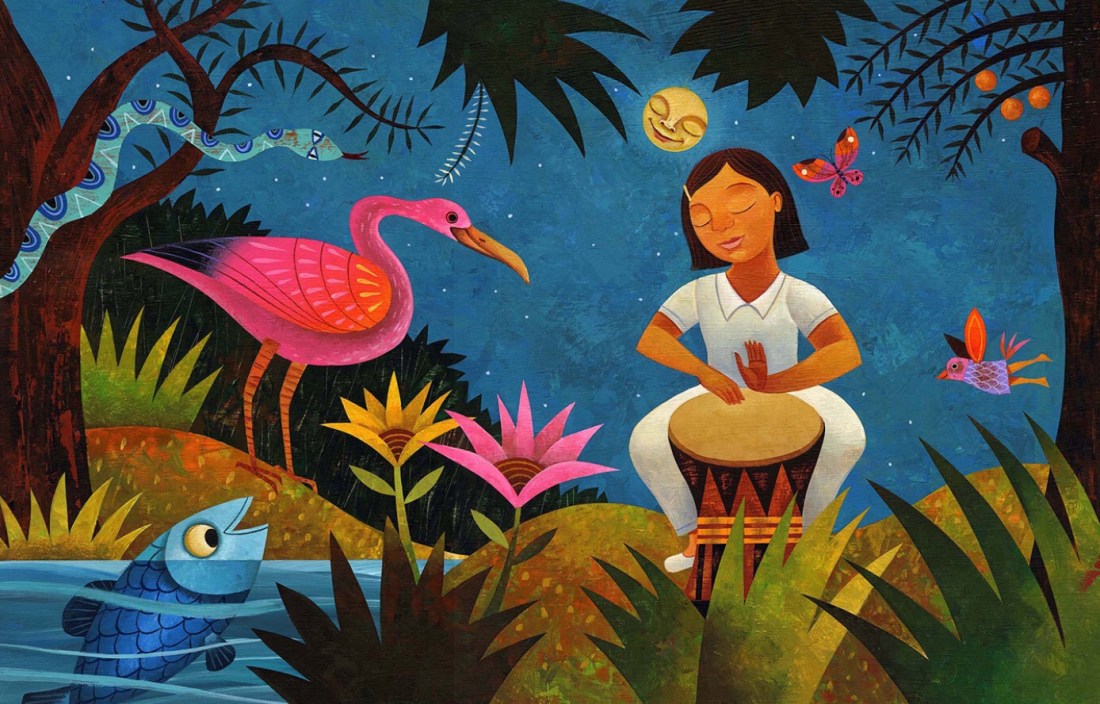
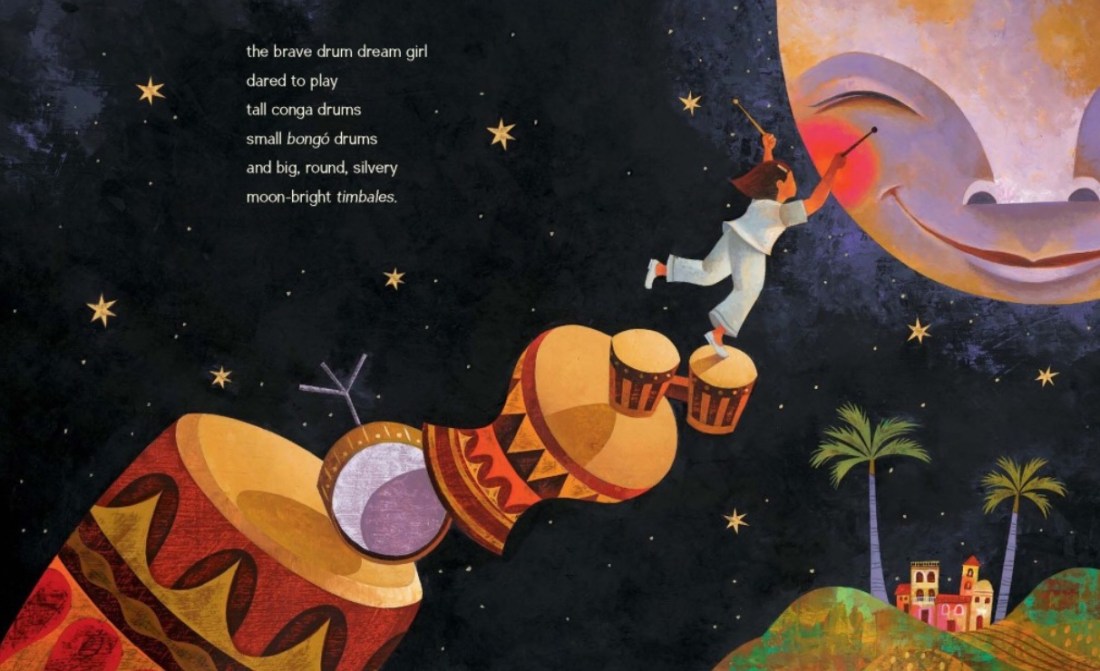
The Drum Dream Girl lives on the Island of Music, in the City of Drumbeats where she is surrounded by the tapping and rapping of drums in every form imaginable, but because she is a girl she is told that she should not follow her dreams to play drums. Her sisters encouraged her to come dance with them, but she longed to drum instead. Her father instructed her to stop dreaming of drumming, but she longed to pound congo and bongo drums. Finally, her father promised to find a teacher that would guide his daughter’s rapping and tapping to become the very thing she had been forbidden to be – a drum girl.

The vivid colors illustrated in this book perfectly complement the author’s word choices to eloquently describe the Island of Music and City of Drumbeats. The descriptive words provide enchanting imagery for readers to see the girl and all the drumming that surrounds her in this magical place.

This book would be a wonderful addition to the elementary classroom. Teachers could utilize the descriptive language, musical vocabulary, and figurative language. This book would be a wonderful pair to an exercise in beating on trash cans to create the pounding sounds that the Drum Dream Girl was able to turn into music. Students could brainstorm other materials that could be used for drumming as they learn about the different types of percussive instruments that are used by musicians. Teachers could use this story to discuss social emotional learning topics such as courage and bravery, and introduce or discuss what it means to be discriminated against. Students could be problem solvers and think about ways to encourage all people to follow their dreams, to be courageous, and to be brave.

Ideas for Classroom Incorporation of The Drum Dream Girl:

  • ELA: figurative language (onomatopoeia), descriptive language, parts of speech, vocabulary enrichment
  • SOCIAL and EMOTIONAL LEARNING: character traits – courage, bravery, persistence, determination, inclusion
  • MUSIC: percussion, instruments, types of sound

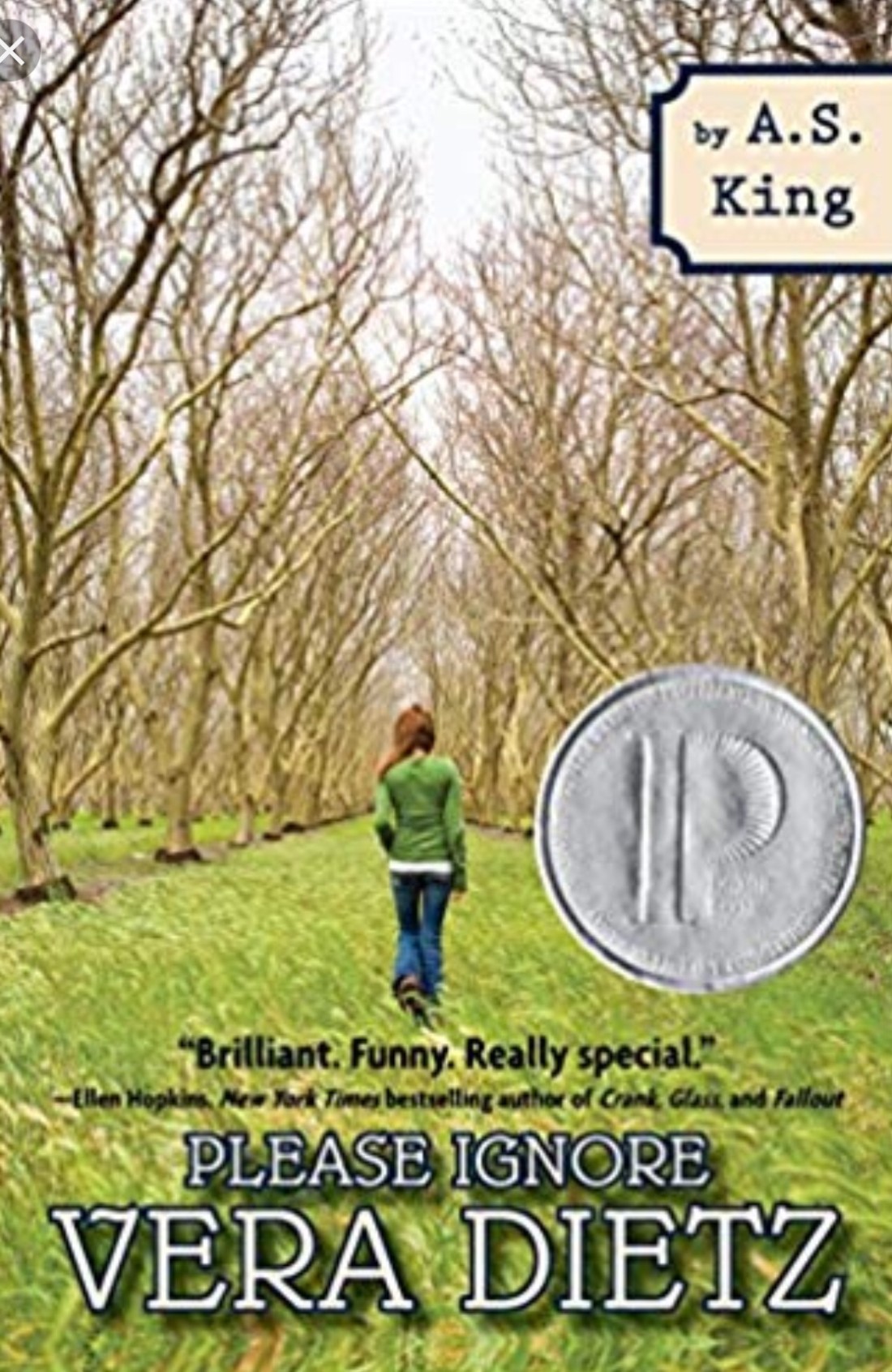
Please Ignore Vera Dietz, by A. S. King

Very rarely does a book have such a powerful opening page that I am compelled to comment out loud as I’m reading. This book did, and I struggled to put it down.

This young adult novel allows readers to get to know Vera Dietz in the aftermath of a terribly tragic loss in her life. As Vera works through the days and months that follow burying her childhood best friend and neighbor, she must deal with inner conflicts that have gone unmended between her and her father, her and her mother, and most importantly between her and herself because her conflict with her friend Charlie is now amplified by his death. Dealing with death and loss is never easy, and dealing with death and loss that is surrounded in lies tangled up in guilt and shame and anger is even more difficult.

The author wrote this book mainly from Vera’s perspective, with brief inserts to allow the reader to hear from the other characters – including the dead kid. This opens the reader’s mind to the different sides of each conflict between the characters. The story is often raw and painfully direct, written in a way that makes the characters seem very real. I know that I kept reading because the more I read, the more questions I had about what happened to Vera? What happened to Charlie? What really happened at the neighbors house? Was there something more sinister between the characters? Sometimes my questions were answered, sometimes I was given just enough information to create new questions and still leave me wondering.

Vera was wondering, too. Her questions and inner conflicts finally grew to become so heavy that she could no longer ignore them. Although it was not easy, she found a way to come to terms with some of the turmoil in her life and a way to make peace enough to move forward.

I can see this book being well suited for the upper middle school and high school classroom. I believe that the students may relate to the characters while being intrigued by the suspense of trying to piece together what happened to Vera’s friend Charlie the night he died. I believe it would be interesting to read this book in small groups with students to hear their take on the conflicts that Vera is struggling with, and how they interpret each character and situation. Students could discuss or even just be prompted to think about What should Vera do? What would I do? This book is a longer read, and may be best suited for readers with more experience and stamina to read independently. If a teacher is interested in motivating students to read for themselves, this book would make a great first chapter read aloud to capture their attention.

Ideas for Classroom Incorporation of Please Ignore Vera Dietz

  • ELA: point of view, types of conflict, vocabulary, character traits, plot

  • Social/Emotional: relationships, social justice, personal responsibility, self-control, secrets vs. confidential, making mistakes, restoration