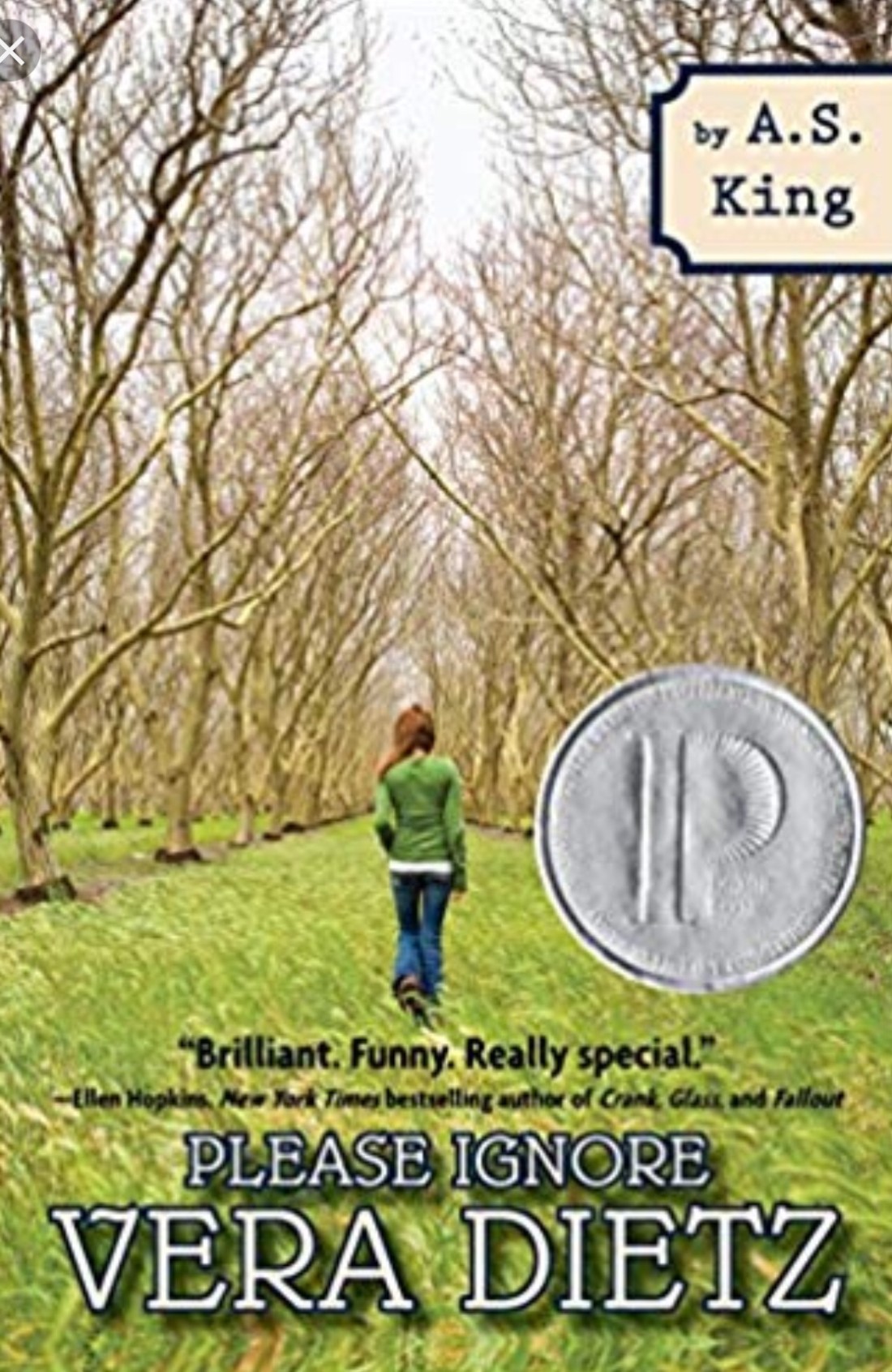
Very rarely does a book have such a powerful opening page that I am compelled to comment out loud as I’m reading. This book did, and I struggled to put it down.
This young adult novel allows readers to get to know Vera Dietz in the aftermath of a terribly tragic loss in her life. As Vera works through the days and months that follow burying her childhood best friend and neighbor, she must deal with inner conflicts that have gone unmended between her and her father, her and her mother, and most importantly between her and herself because her conflict with her friend Charlie is now amplified by his death. Dealing with death and loss is never easy, and dealing with death and loss that is surrounded in lies tangled up in guilt and shame and anger is even more difficult.
The author wrote this book mainly from Vera’s perspective, with brief inserts to allow the reader to hear from the other characters – including the dead kid. This opens the reader’s mind to the different sides of each conflict between the characters. The story is often raw and painfully direct, written in a way that makes the characters seem very real. I know that I kept reading because the more I read, the more questions I had about what happened to Vera? What happened to Charlie? What really happened at the neighbors house? Was there something more sinister between the characters? Sometimes my questions were answered, sometimes I was given just enough information to create new questions and still leave me wondering.
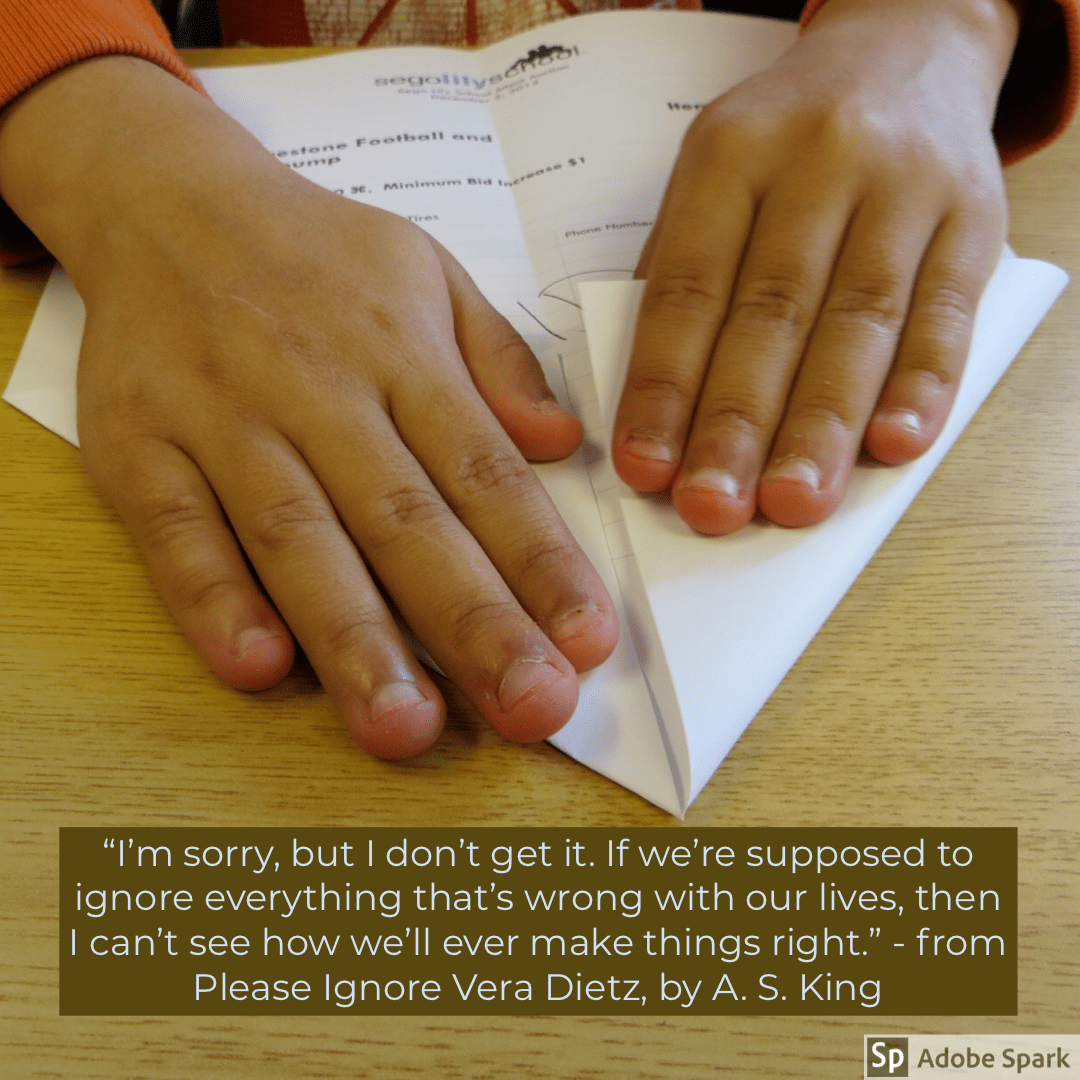
Vera was wondering, too. Her questions and inner conflicts finally grew to become so heavy that she could no longer ignore them. Although it was not easy, she found a way to come to terms with some of the turmoil in her life and a way to make peace enough to move forward.
I can see this book being well suited for the upper middle school and high school classroom. I believe that the students may relate to the characters while being intrigued by the suspense of trying to piece together what happened to Vera’s friend Charlie the night he died. I believe it would be interesting to read this book in small groups with students to hear their take on the conflicts that Vera is struggling with, and how they interpret each character and situation. Students could discuss or even just be prompted to think about What should Vera do? What would I do? This book is a longer read, and may be best suited for readers with more experience and stamina to read independently. If a teacher is interested in motivating students to read for themselves, this book would make a great first chapter read aloud to capture their attention.
Ideas for Classroom Incorporation of Please Ignore Vera Dietz
- ELA: point of view, types of conflict, vocabulary, character traits, plot
- Social/Emotional: relationships, social justice, personal responsibility, self-control, secrets vs. confidential, making mistakes, restoration

 Mrs. Kinnamore’s Bookshelf