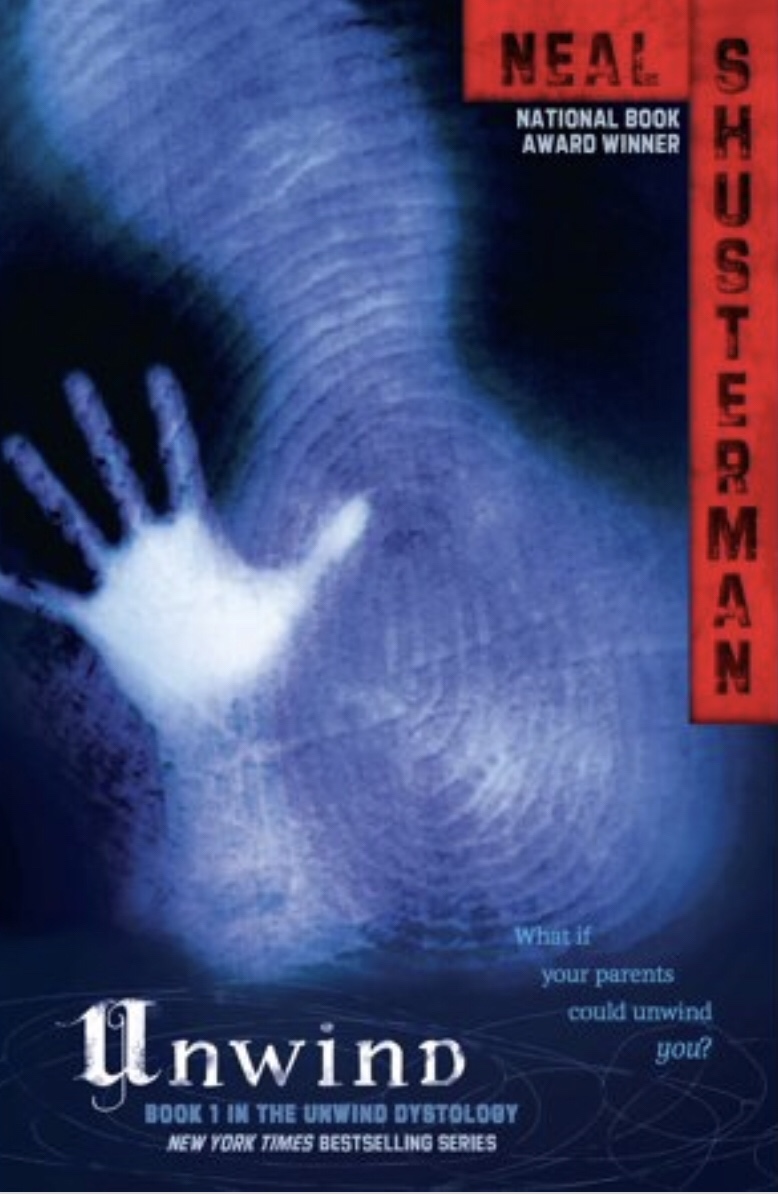
Unwind, by Neal Shusterman

What are the potential possibilities when the concept of harvesting divided bodies for their parts becomes part of the lawful state? Who is safe? Is it possible to be an Unwind and still continue to live? Who decided this plan was a good idea? And why doesn’t anyone make it stop?

In this young adult novel, Neal Shusterman takes the reader down a dark and disturbing road to a time when teenagers are marked to be unwound. To have their organs harvested for the benefit of those more desirable than the terribles who will be taken apart piece by piece. What about the Unwinds who are thrust into harvest because of family beliefs that it is the responsible thing to do? These teenagers who are donated, or tithes as they are called, are groomed to believe that their lives have a higher calling because they were fulfilling their destiny to help their fellow man by donating their healthy body parts to those who would transplant or graph them to a person in need.
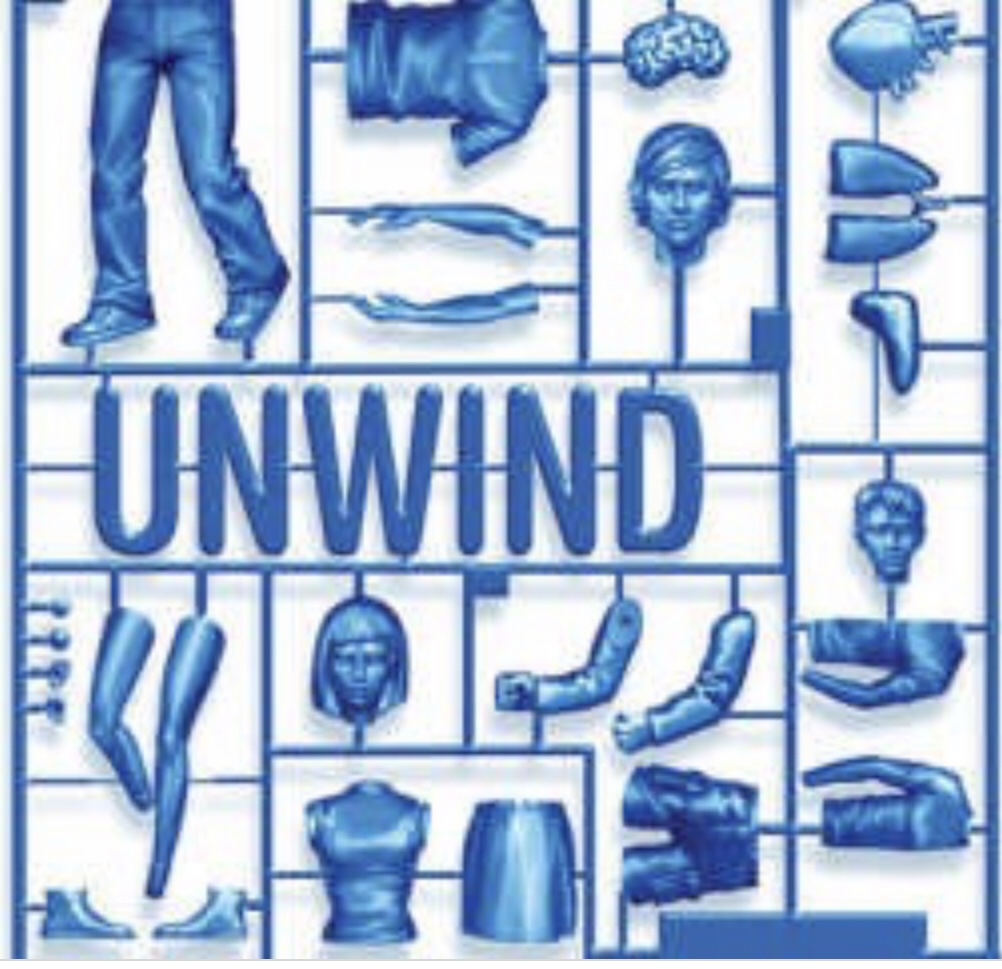
In this dystopian society, the practice of unwinding is completely normal and everyone has a role to play. You are either an Unwind, or you are someone who remains eligible to receive organs or other body parts because you have positively contributed to society and your community. As an Unwind, you will not benefit from the removal and transplant of your parts – but the law promises that you will be left alive. Harvesting body parts and organs is not intended to kill a person, it is just intended to extend or improve the life of others.

As a teacher, this book presents so many different conversation starters for the classroom. The connection to current events, ethics, morality, justice, fairness, human rights, symbolism, characterization, tone, and perspective are just a handful of ideas that come to mind after reading this book. There are main characters, who each present a different journey to being an Unwind. A girl and two boys who readers follow throughout the story as they encounter many more secondary characters who directly shape and potentially shift how the reader feels about each character. There are characters for readers to love, and some to hate. Each one bringing additional depth to this book that has chilling references to current events and places that the readers will recognize as real in our everyday world.

Being an elementary school teacher, this book is outside of what I would normally select for classroom use for my students. I cannot deny that I believe some of my previous students would be interested in this book for the shock and chaos elements that make up so much of the complex storyline. I would recommend this book for upper middle school, or high school students based on maturity and exposure to complex concepts – their developmentally appropriate ability to separate fact and fiction.

Personally, I am still not sure I can say whole heartedly that I liked this book. But – I am definitely intrigued about what happens next. This book is the first in a series by Neal Shusterman and it was a book that once I began reading I wanted to stop but couldn’t stop because I was compelled to know what happened next. I have talked about this book to everyone I spoke to this week. Like it or not, it absolutely held my attention and made me think!

Ideas for Classroom Incorporation of Unwind, by Neal Shusterman

  • ELA: have students write their own Bill of Life, write an argument for or against unwinding, debate unwinding, create character webs identifying internal and external traits for 1 main and 1 secondary character, create a trailer for the prequel of Unwind that explains how and why unwinding came to be
  • SCIENCE: (biology) anatomy
  • ECONOMICS: budgeting, how to financially support yourself – your family – an underground community in the dystopian state, establish financial rules for different elements of society
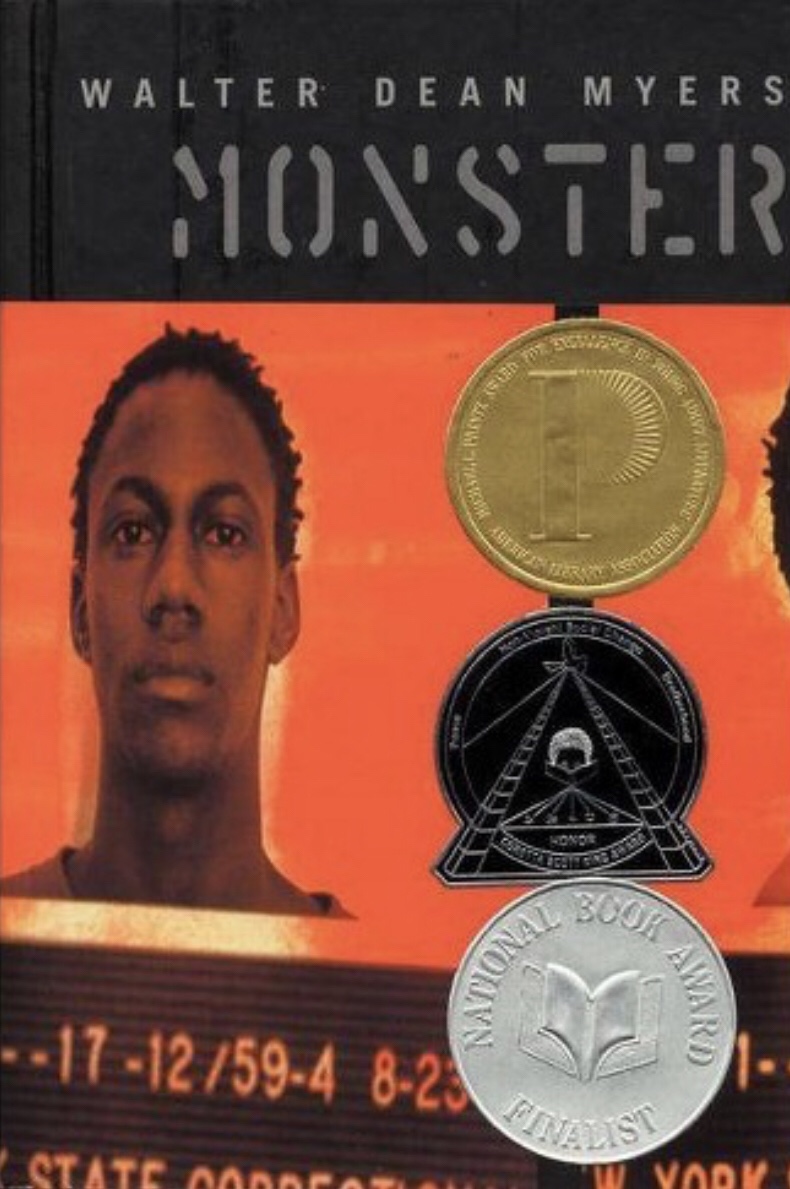
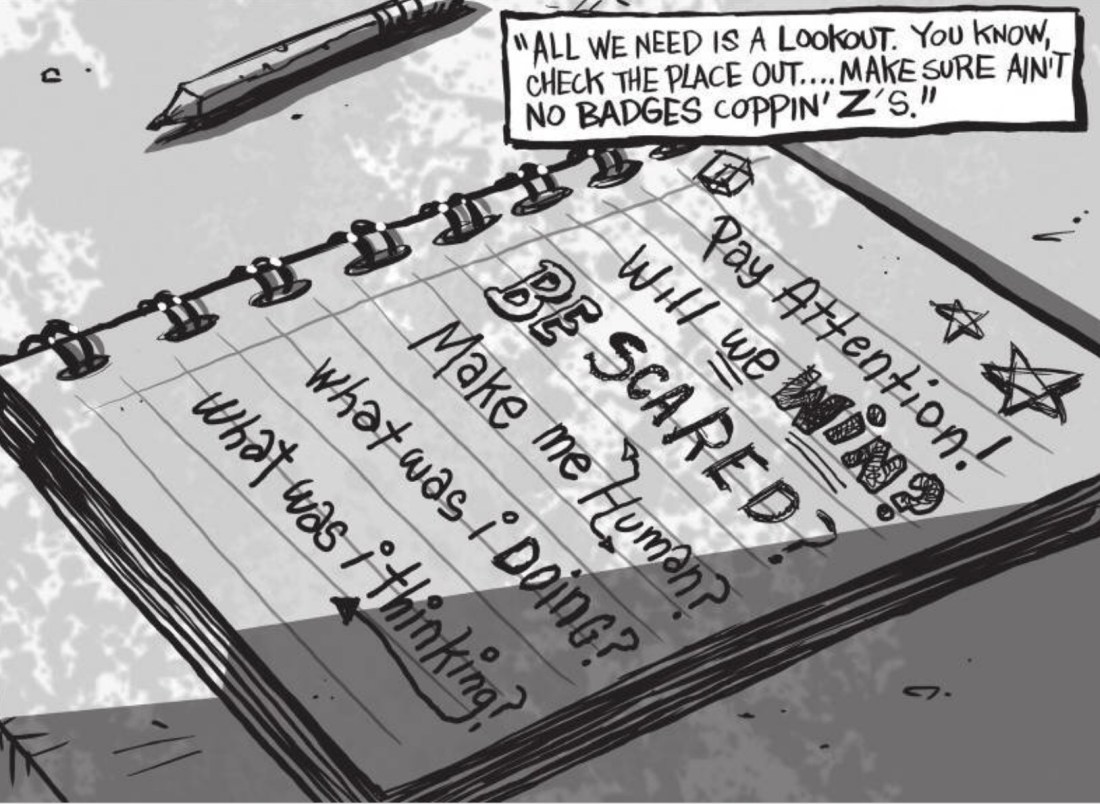
Monster, by Walter Dean Myers

A murder trial, a sixteen year old, and a label from the prosecuting attorney that seems inescapable. She called him a Monster. Her job is to convince a jury that he is responsible for the actions that occurred leaving a drug store owner dead. Did he pull the trigger? No. But he is accused of participating in criminal activity that resulted in the death of a man. That makes him the worst of the worst, right? That is what makes him a Monster.

This book by Walter Dean Myers introduces the reader to Steven Harmon, a sixteen year old high school student on trial for murder. Steven is the one telling the story and the memories that replay in his mind as the trial unfolds. As an aspiring film-maker, Steven uses the dire circumstances he is in to write his perspective as the defendant in the murder trial. Although he is still a high school student, his personal associations and poor choices led him to an adult arena facing legal consequences that he never imagined possible.

Throughout this book, Steven Harmon records the events he is living out in a notebook that is the first draft of sorts of what might be a film version of the events that led him to and through the murder trial. His inner monologue explores what he perceives the people around him are thinking as he records their actions and reactions to him and his current situation. From his defense attorney to the witnesses in his case, from the co-defendant to the judge and jury members – Steven records what each character is saying and how they react as though he is directing a film about someone else’s life. But it is not someone else’s life.

It is his own life.

It is his own trial.

It is him who is being called a Monster by the prosecuting attorney, and it is him who must rely on the judgement of the jury members to determine whether or not they believe he is guilty of murder or set him free.

Whatever the outcome, his life will never be the same.

What’s done cannot be undone.

What happens now? Where will he go from here?

At sixteen years old he is not even old enough to be a visitor to the prison where he now waits on trial. The irony of the seriousness of his situation is unbelievable to him at times, and yet it is happening and must play out in a court of law.

This thought provoking book cuts straight to the point of a very serious and life-changing event that changes not one, but several lives in the blink of an eye. This book would be best suited upper middle school or high school students who are close to the same age as the main character. While this story is not based on a specific true story, the author did research by visiting with prisoners and asking them to tell him their story. No one plans to be in jail at sixteen years of age. No one plans to be on trial for murder at sixteen, either. But in our current society, these types of situations and circumstances do happen all too often. Young people act without thinking, and live with a belief that nothing bad will ever happen to them. This story is written in a way that can open the discussion about making good choices, and being responsible for the consequences of personal actions.

While I believe there are many possible uses for this book in the classroom setting, I believe that I would choose to use this book to teach point of view, vocabulary, making predictions, and symbolism. I believe the reader will be hooked on the storyline and will be kept interested in the story by the characters who each play a role in how Steven views what is happening to him throughout the trial. Readers will want to continue reading to find out for themselves whether or not the jury returns a guilty verdict. Will he face the next 25 years or more as an inmate? Or will the jury find him not guilty so he can return to his life as a want to be film maker? Is it possible for him to return to his life the way it as before the drugstore owner was murdered? What happens next? The author provides just enough information to answer the big questions, but leaves lots of space to think about how things have the potential to wind up so much differently.

Ideas for Classroom Incorporation of Monster:

  • ELA: making predictions, finding text references, vocabulary, character perspective, point of view, symbolism
  • Social/Emotional: making good choices, associations, consequences, labels
  • HISTORY: judiciary process, legal responsibility, due process

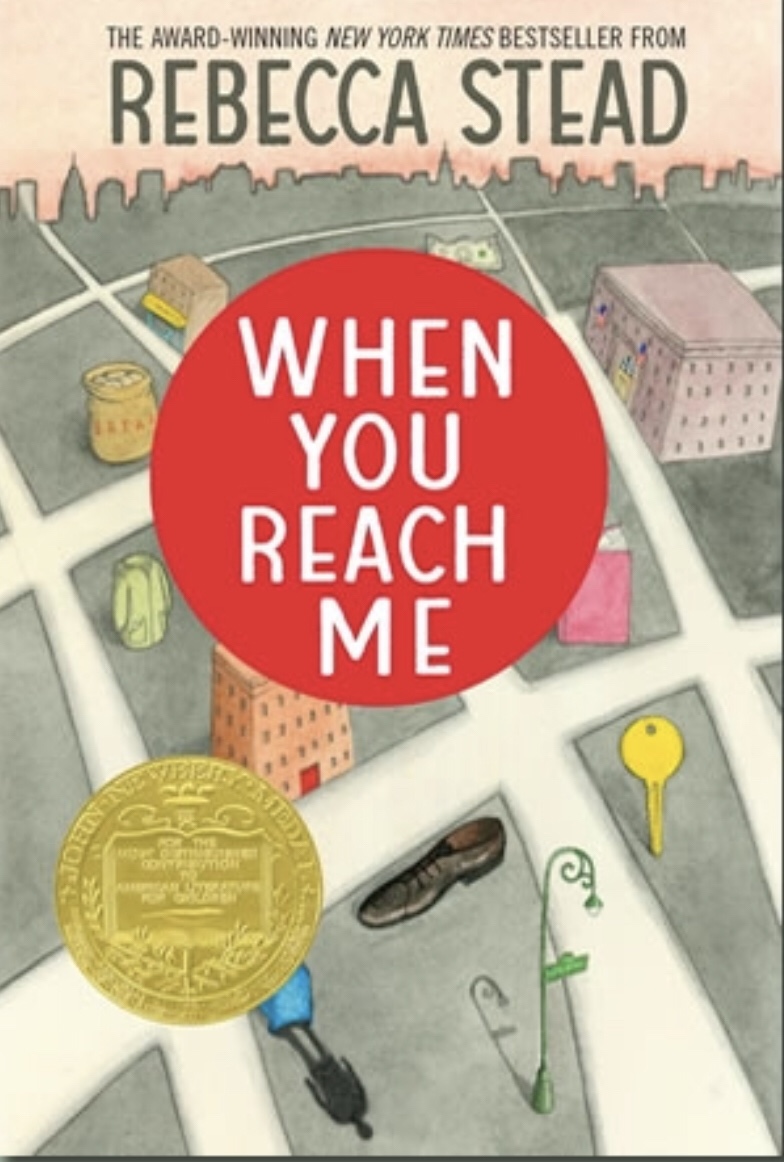
When You Reach Me, by Rebecca Stead

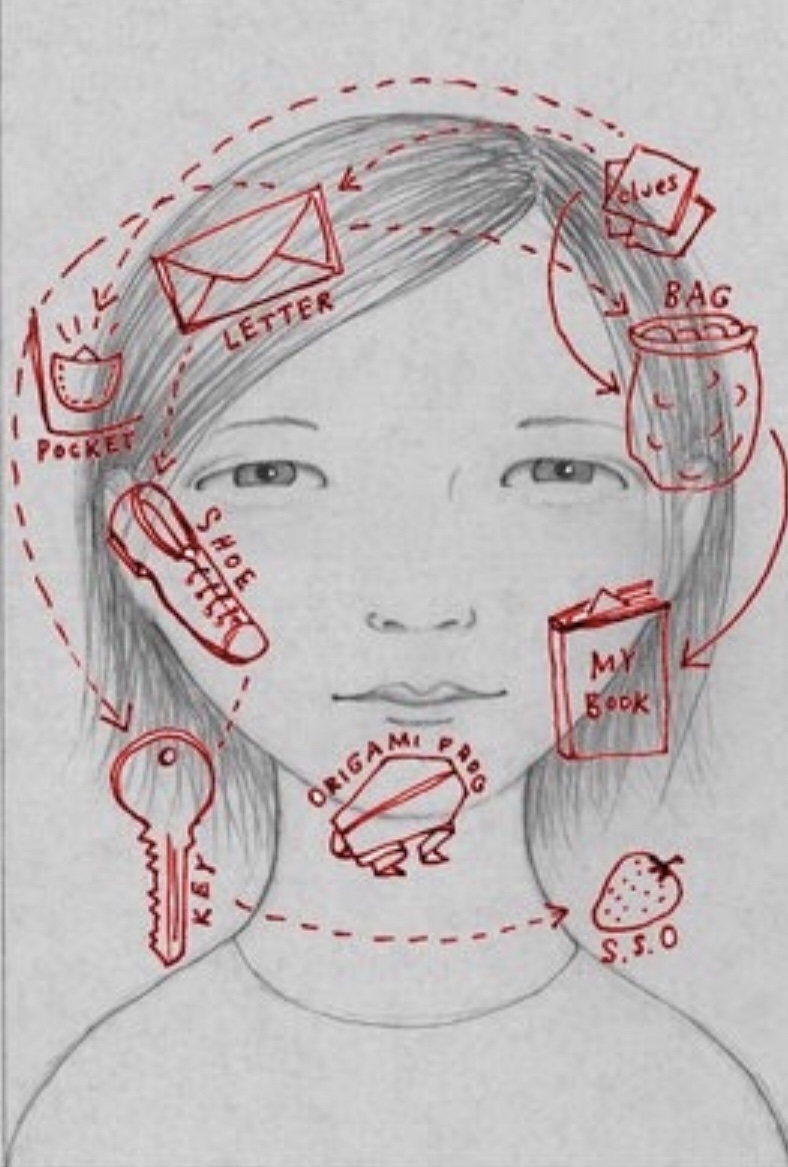
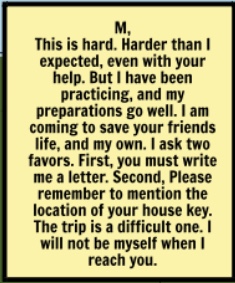
Miranda is a 6th grader and main character of this combination mystery and science fiction novel that unfolds as cryptic notes begin appearing without any explanation of who they are from, or how the sender knows all about Miranda and her life.

Set in the hustle and bustle of New York City, When You Reach Me is Miranda’s story of her bizarre encounters with notes she finds that she cannot explain and struggles to understand. Miranda tells of the notes and the secrecy that is requested by the author after she unknowingly shares the first note. She tells how the information in the notes is eerily accurate about things, personal things, that pertain specifically to her life.

As if getting cryptic notes isn’t strange enough, Miranda is trying to help her mom prepare to win a game show and is dealing with the loss of her best friend who abruptly stops speaking to her. She is in middle school and faces many of the common challenges that make up the middle school experience of revolving friendships and growing independently. Miranda is practicing to become an independent person while still testing the boundaries of her mother, her teachers, and her friendships. Puzzled by the notes, Miranda is perplexed at the thought of who could possibly be writing to her? It takes a tragedy to put the final pieces together and understand why the note writer knew so much about her. Could these notes really have been from the future? Well, could they?

This book has many possibilities for creating and extending connections in the classroom. Middle school and upper intermediate students will be able to connect to the main character’s angst and relationships with other characters in the story. The mention of the classic novel A Wrinkle in Time provides a great opportunity for comparing and contrasting these two stories. Students will be able to make predictions and build a case to defend their prediction before the truth is finally revealed about who is writing Miranda these notes. In the classroom, the students could read this book together and share their perspective on what they believe is happening. Talking about what they are reading, and listening to how other readers perceive the same text is a valuable tool for developing greater reading comprehension. Some of the clues the author provides about the truth behind the notes are very subtle. It may take take reading, and rereading for students to truly envision how the story is played out. In the end, the wow factor makes the mystery worth sticking around until the end. After reading this book as a class it would be very interesting to ask students to write letters to themselves as though writing from the future, or to encourage them to think about who they would want to write to them from the future.

Ideas for Classroom Incorporation of When You Reach Me:

  • ELA: compare and contrast, predictions, classifying genres, point of view, text connections
  • WRITING: write a letter to yourself from the future, who would you want to write to you from the future, do you think it is possible to write a letter from the future? Why, or why not?

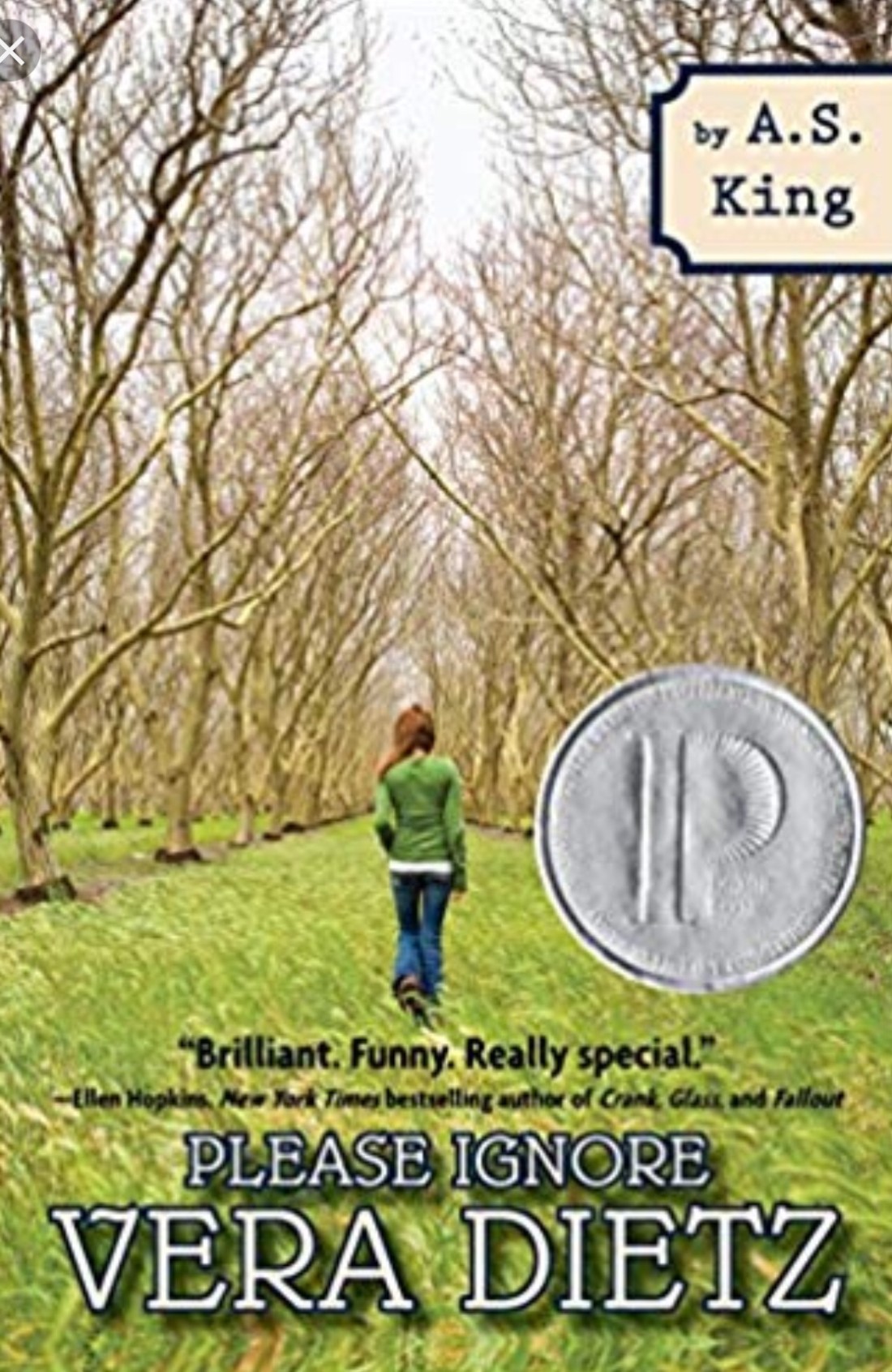
Please Ignore Vera Dietz, by A. S. King

Very rarely does a book have such a powerful opening page that I am compelled to comment out loud as I’m reading. This book did, and I struggled to put it down.

This young adult novel allows readers to get to know Vera Dietz in the aftermath of a terribly tragic loss in her life. As Vera works through the days and months that follow burying her childhood best friend and neighbor, she must deal with inner conflicts that have gone unmended between her and her father, her and her mother, and most importantly between her and herself because her conflict with her friend Charlie is now amplified by his death. Dealing with death and loss is never easy, and dealing with death and loss that is surrounded in lies tangled up in guilt and shame and anger is even more difficult.

The author wrote this book mainly from Vera’s perspective, with brief inserts to allow the reader to hear from the other characters – including the dead kid. This opens the reader’s mind to the different sides of each conflict between the characters. The story is often raw and painfully direct, written in a way that makes the characters seem very real. I know that I kept reading because the more I read, the more questions I had about what happened to Vera? What happened to Charlie? What really happened at the neighbors house? Was there something more sinister between the characters? Sometimes my questions were answered, sometimes I was given just enough information to create new questions and still leave me wondering.

Vera was wondering, too. Her questions and inner conflicts finally grew to become so heavy that she could no longer ignore them. Although it was not easy, she found a way to come to terms with some of the turmoil in her life and a way to make peace enough to move forward.

I can see this book being well suited for the upper middle school and high school classroom. I believe that the students may relate to the characters while being intrigued by the suspense of trying to piece together what happened to Vera’s friend Charlie the night he died. I believe it would be interesting to read this book in small groups with students to hear their take on the conflicts that Vera is struggling with, and how they interpret each character and situation. Students could discuss or even just be prompted to think about What should Vera do? What would I do? This book is a longer read, and may be best suited for readers with more experience and stamina to read independently. If a teacher is interested in motivating students to read for themselves, this book would make a great first chapter read aloud to capture their attention.

Ideas for Classroom Incorporation of Please Ignore Vera Dietz

  • ELA: point of view, types of conflict, vocabulary, character traits, plot

  • Social/Emotional: relationships, social justice, personal responsibility, self-control, secrets vs. confidential, making mistakes, restoration

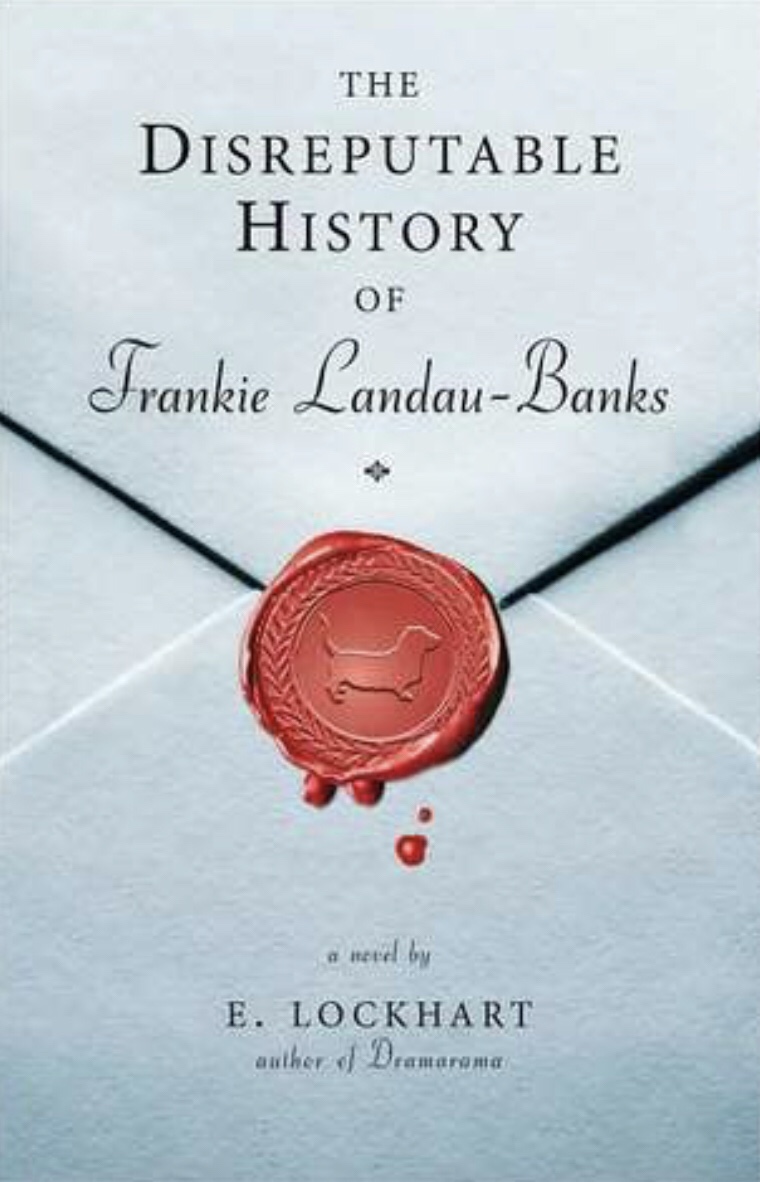
The Disreputable History of Frankie Landau-Banks, by E. Lockhart

A private school. A secret society. A brilliant girl who will never be a legacy, manages to become legendary!

Why do parents select the schools they choose for their students? Is it by default due to location? It is because the price is right? The programs offered? Or is it because of a much deeper history that is both personal and reminiscent of days gone by? Francis Landau-Banks, otherwise known as Frankie, is the daughter of an alum and the younger sister of a former student who begins her sophomore year at Alabaster with no identify of her own. Although her family still sees her as the little Bunny, Frankie ends her sophomore year with her own notoriety that will never, ever, ever be forgotten.

When I was trying to decide which book to read and review this week, I decided to pick this book simply out of curiosity. This may not have been a book I would typically read for myself, but I can see using it in the middle school classroom. This age group has the greatest potential to connect with the characters even though they are slightly younger. The story itself leans towards lessons for inferencing, social dilemmas, social justice, and playing with words. Middle schoolers are exercising their independence, much like Frankie, and may cleverly be amused by her decisions to augment words to fit her own purposes. The vocabulary enriching activities would be strongly suited for both high achieving and students who need reinforcement of language skills. Students who read this book could be encouraged to identify an area of social injustice, and develop a proactive plan to correct the injustice – or – argue why a perceived injustice is not really an injustice at all.

Although it took a little longer to get to the meat of this story, it is the building suspense that makes this story ideal for use in the classroom. Unless the book is read, there is no way to understand the frustration Frankie feels or why she is so determined to be recognized by members of the exclusive boys club that she knows more about than the members themselves. She finally takes matters into her own hands with increasingly daring stunts that bring on huge consequences she never imagined. What exactly did Frankie do? Read for yourself, The Disreputable History of Frankie Landau-Banks.

Ideas for Classroom Incorporation of The Disreputable History of Frankie Landau-Banks:ELA: inferencing, vocabulary, character study, theme

  • WRITING: opinion, defend your position, preparing a debate

  • Social/Character ED: social justice, behavior/consequences, right and wrong, exclusion vs. inclusion, equal rights, are some rules made to be broken? Is it ever okay to break the rules to make a point?